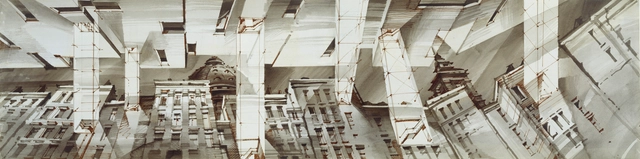
"How does a thought evolve into a freehand sketch? What is the importance of the interaction between the mind, eyes and hand?“


"How does a thought evolve into a freehand sketch? What is the importance of the interaction between the mind, eyes and hand?“

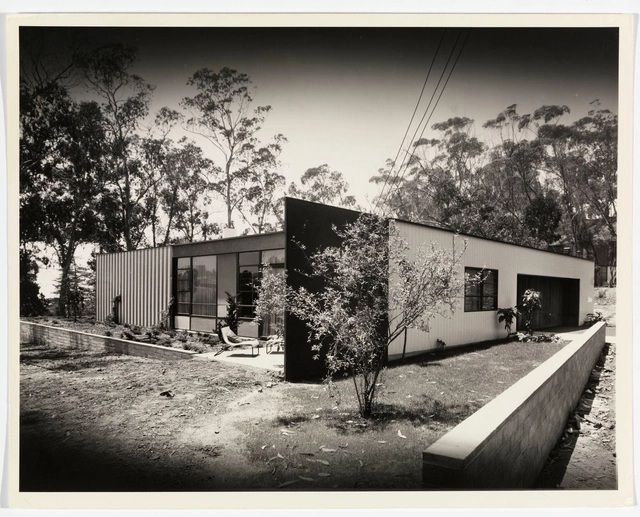
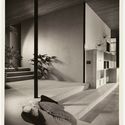
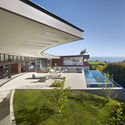
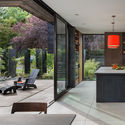
Nestled in the verdant seaside hills of the Pacific Palisades in southern California, the Entenza House is the ninth of the famous Case Study Houses built between 1945 and 1962. With a vast, open-plan living room that connects to the backyard through floor-to-ceiling glass sliding doors, the house brings its natural surroundings into a metal Modernist box, allowing the two to coexist as one harmonious space.
Like its peers in the Case Study Program, the house was designed not only to serve as a comfortable and functional residence, but to showcase how modular steel construction could be used to create low-cost housing for a society still recovering from the the Second World War. The man responsible for initiating the program was John Entenza, Editor of the magazine Arts and Architecture. The result was a series of minimalist homes that employed steel frames and open plans to reflect the more casual and independent way of life that had arisen in the automotive age.[1]


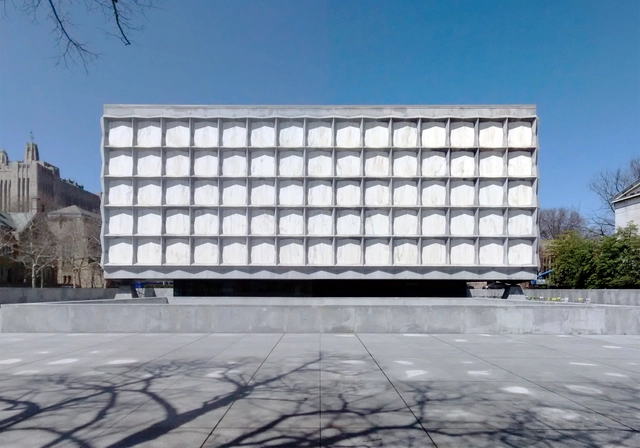
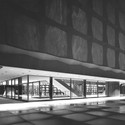
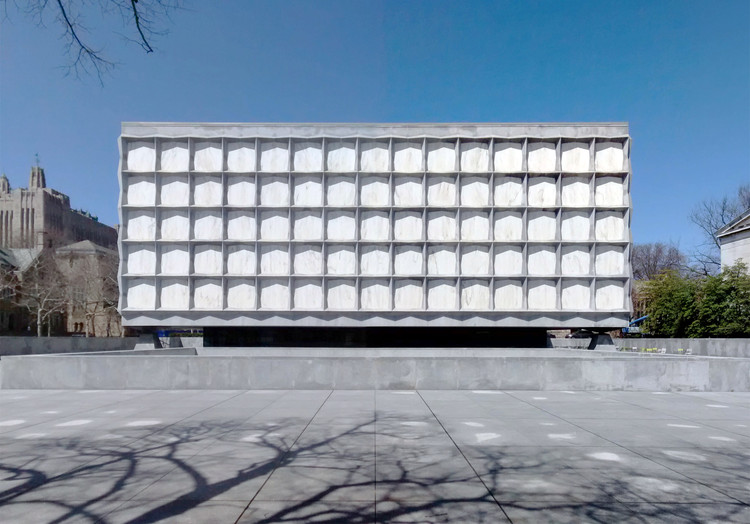
Cloistered by a protective shell of stone, the Beinecke Rare Book and Manuscript Library is one of the world’s foremost collections of rare manuscripts. Opened in 1963, the library is renowned for its translucent marble façade and the world-renowned glass book tower sheltered within – a dramatic arrangement resulting from the particular requirements of a repository for literary artifacts. This unique design, very much in the Modernist lineage but in contrast to the revivalist styles of the rest of Yale’s campus, has only become appreciated thanks to the passage of time; the same bold choices which are now celebrated were once seen as a cause for contempt and outrage.
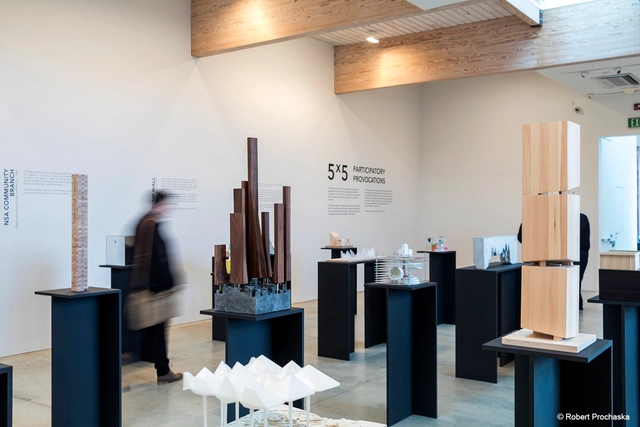
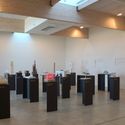
Architecture Exhibition 5x5 Participatory Provocations opened its doors at the New York Center for Architecture on July 11, featuring 25 models by 25 young American architecture firms. The exhibition engages its participants to take clear stances on a series of provocative issues facing architecture today, with their models “producing a physical expression or provocation that is then made available to the public.” Curated by Kevin Erickson, Julia van den Hout, and Kyle May, the exhibition argues for “participatory criticism” covering growing income gaps, immigration, globalization, technology’s impact on our lives, surveillance, and power.