The World Bamboo Workshop is the largest international multidisciplinary theoretical and practical event in which people from all over the world participate as well as world leaders and experts in the use of Bamboo.
World Bamboo Workshop is an annual event organized by World Bamboo Organization (WBO), every year with an objective to spread the traditional use and application of bamboo of a particular place or region of the world and at the same time bring all the scientific, technical and traditional knowledge available around the world in bamboo at that particular place. The World Bamboo Workshop focus on promoting sustainable
On August 15, 1947, on the eve of India’s independence from the United Kingdom, came a directive which would transform the subcontinent for the next six decades. In order to safeguard the country’s Muslim population from the Hindu majority, the departing colonial leaders set aside the northwestern and eastern portions of the territory for their use. Many of the approximately 100 million Muslims living scattered throughout India were given little more than 73 days to relocate to these territories, the modern-day nations of Pakistan and Bangladesh. As the borders for the new countries were drawn by Sir Cyril Radcliffe (an Englishman whose ignorance of Indian history and culture was perceived, by the colonial government, as an assurance of his impartiality), the state of Punjab was bisected between India and Pakistan, the latter of which retained ownership of the state capital of Lahore.[1] It was in the wake of this loss that Punjab would found a new state capital: one which would not only serve the logistical requirements of the state, but make an unequivocal statement to the entire world that a new India—modernized, prosperous, and independent—had arrived.



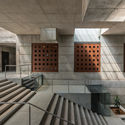

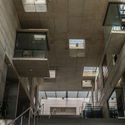
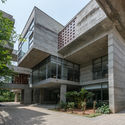

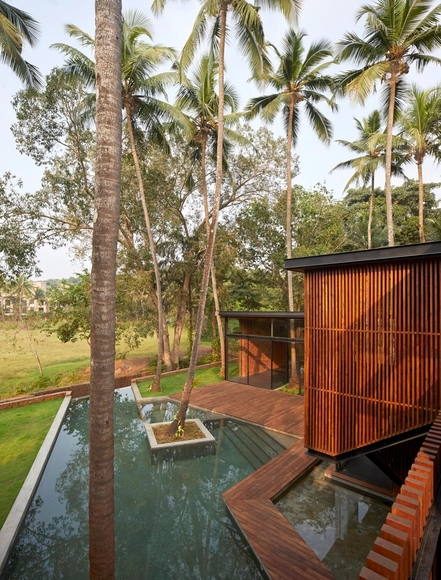




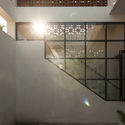
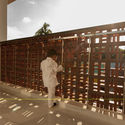
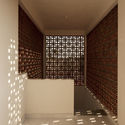


.jpg?1540948558 "© Niveditaa Gupta")
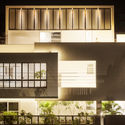
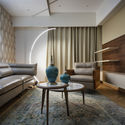
.jpg?1540948558)
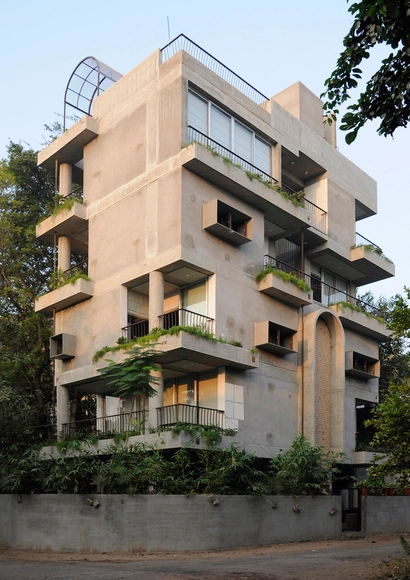
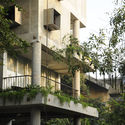


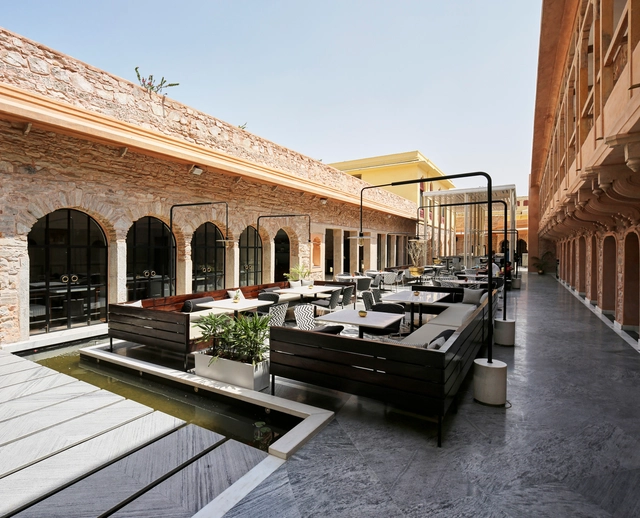














.jpg?1487999073&format=webp&width=640&height=580)
.jpg?1487999184 "© Laurian Ghinitoiu")
.jpg?1487999406 "© Laurian Ghinitoiu")
.jpg?1487999574 "© Laurian Ghinitoiu")
.jpg?1487999153 "© Laurian Ghinitoiu")
.jpg?1487999073)