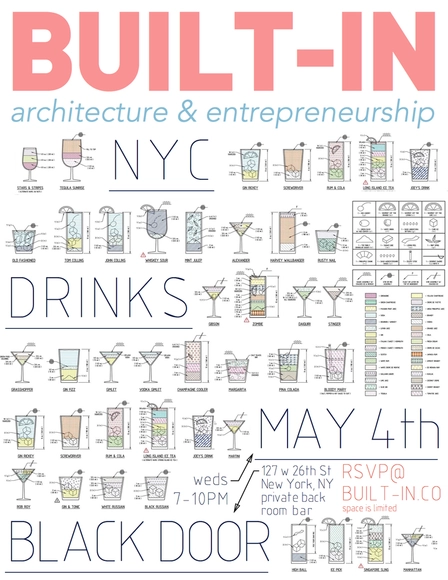
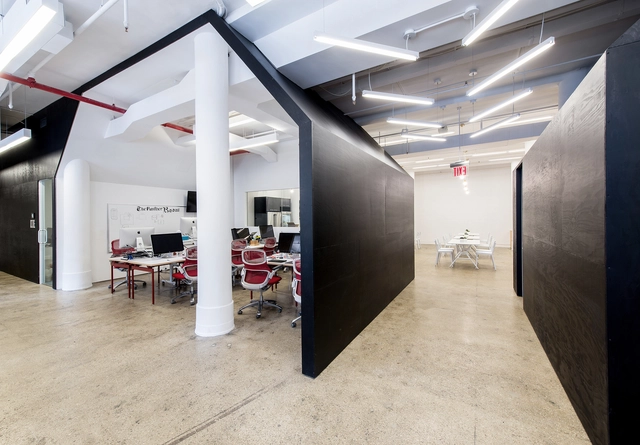
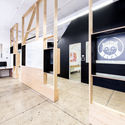
We're back from hiatus and have some exciting and high profile panel events we'll be announcing soon, but first we'd like to get everyone together for a bit of social libations. Join us at Black Door weds, May 4th and meet other entrepreneurially-spirited New Yorkers over beers or the drink of your choice. We trade industry happenings, projects, and thoughts on technological/cultural trends.
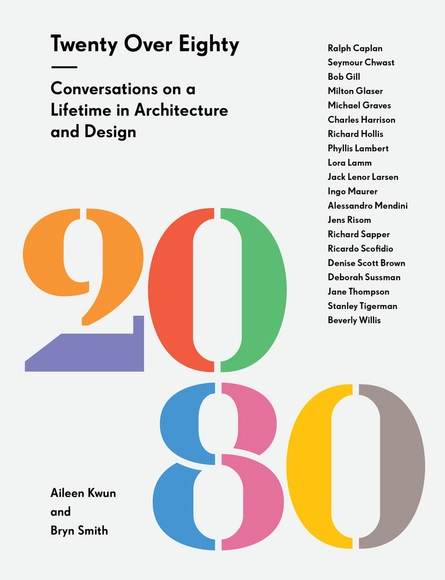
Aileen Kwun and Bryn Smith, two New York writers and designers, introduce a panel of lifelong luminaries in their fields, whether it’s architecture, graphic design, or criticism, all in their ninth decade. Their book, Twenty Over Eighty, delves into what's changed, what's stayed the same, and what brought these legends in their fields to their current stature--don’t miss an expansive conversation the history of design! Panelists will include Seymour Chwast, Jack Lenor Larsen, and Jane Thompson.
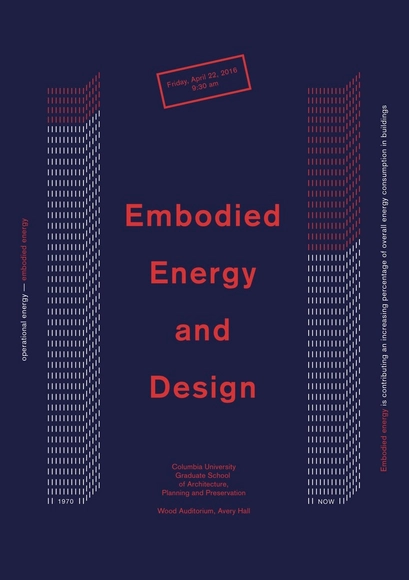
This event frames embodied energy—defined as the sum of energy required to produce, transport, assemble, and dispose of any building element—in the context of broader design ecosystems and architectural issues. Opening keynote by Michael Specter (The New Yorker), closing keynote by Paola Antonelli (The Museum of Modern Art), and 3 panels featuring international experts from universities and private practices. The event is organized by Columbia GSAPP professor David Benjamin (The Living, NY), who also directs the GSAPP Incubator.
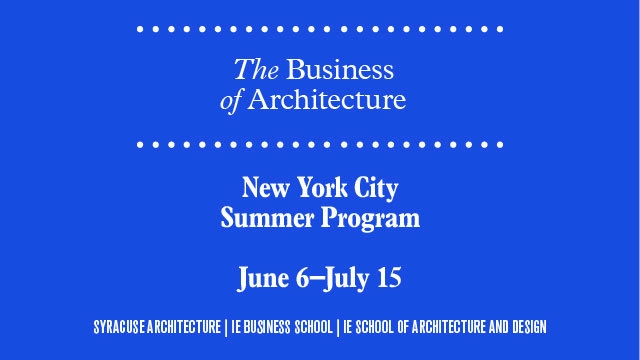
Syracuse Architecture along with IE Business School and IE School of Architecture and Design have teamed up to offer an innovative summer course: The Business of Architecture. The six-week, 3-credit hour-long course will be conducted at the state-of-the-art Fisher Center, home of Syracuse Architecture in New York City. This course is intended for those studying for a professional degree in architecture (B.Arch and M.Arch) as well as for young professionals and qualified students in related design fields.
This 4-session class is an introduction to architectural free-hand drawing through lessons at the Center and on-site sketching exercises outdoors.
Topics will include sketching building façades, basics of perspective drawing, and techniques for showing light, shadow and rendering building materials. This class is open to the general public - no previous drawing experience necessary. (Ages 16 and up)
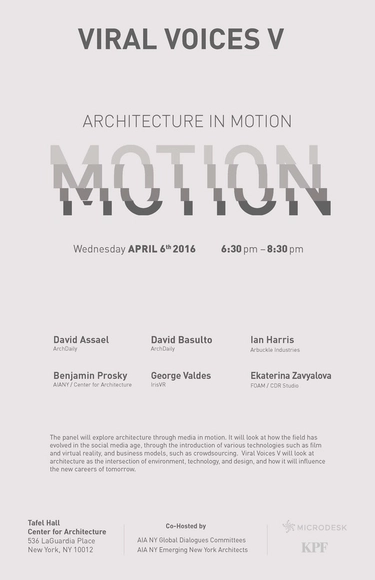
The panel will explore architecture through media in motion. It will look at how the field has evolved in the social media age, through the introduction of various technologies such as film and virtual reality, and business models, such as crowdsourcing. Viral Voices V will look at architecture as the intersection of environment, technology, and design, and how it will influence the new careers of tomorrow.
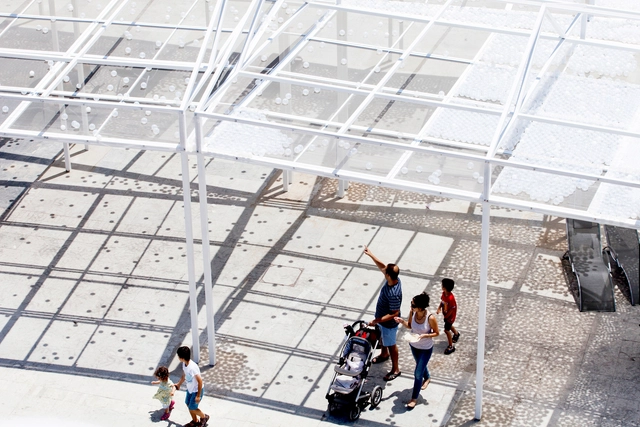
Cloud Seeding Plaza Pavilion by MODU, Credit: Aviad Bar Ness
Phu Hoang and Rachely Rotem, co-directors of MODU, will present their work investigating architecture’s relationship with weather. The work proposes a significant shift in traditional modes of environmental thinking: architecture, as a conceptual and cultural practice, should be informed by and adaptable to weather.
This event is the third of a series of international programs highlighting exemplary housing design around the world. MVRDV was founded in 1993 by Winy Maas, Jacob van Rijs, and Nathalie de Vries in Rotterdam, the Netherlands. The practice engages globally in providing solutions to contemporary architectural and urban issues. A highly collaborative, research-based design method involves clients, stakeholders. and experts from a wide range of fields from early on in the creative process. The results are exemplary, outspoken projects that enable our cities and landscapes to develop towards a better future.
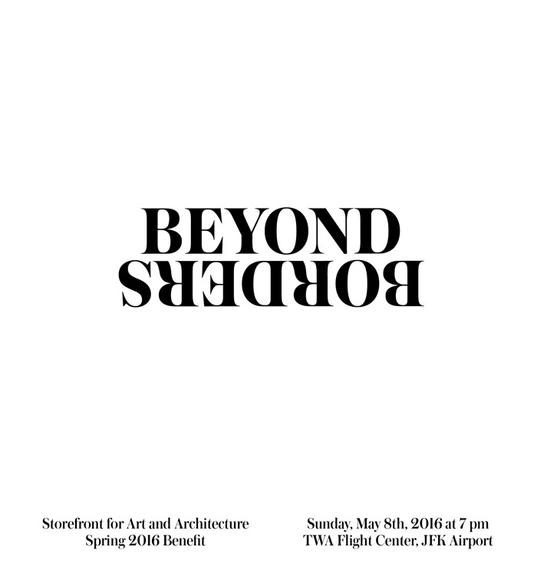
The TWA Flight Center, designed by Eero Saarinen, opened to the public in 1962 and has been out of use since 2001. On the evening of Sunday, May 8th, Storefront for Art and Architecture’s 2016 Spring Benefit, BEYOND BORDERS, will be the last public event to be held at the iconic terminal before its redevelopment.
BEYOND BORDERS reflects upon a growing collective consciousness about spaces of difference and the desire to transcend them.
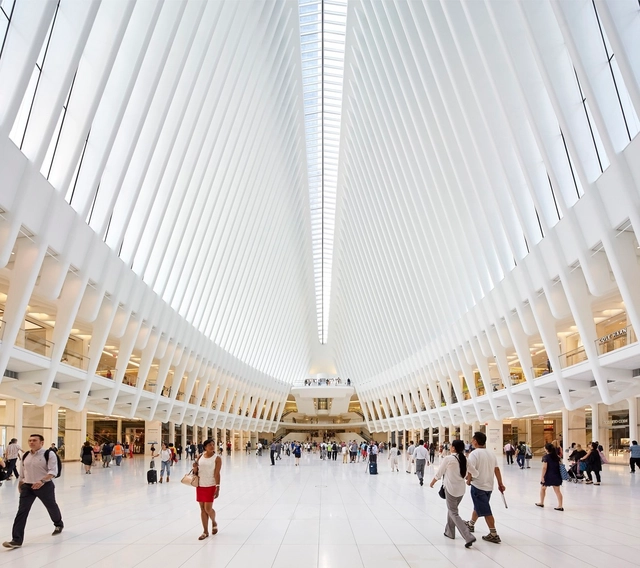
The advancement of contemporary technology is changing the way we study the world around us. The way we describe and understand cities is being radically transformed, along with the tools we use to envision and impact their physical form.
These new technologies allow us to understand the built environment differently. The city is no longer a static collection of built objects, but can instead be understood as a series of social, environmental, and informational networks. Can we this new knowledge to positively impact the city of the future? Can these technologies allow us to rectify the mistakes of the past? What new possibilities exist within their creative use?
A Japanese Constellation: Toyo Ito, SANAA, and Beyond focuses on the work of architects and designers orbiting Pritzker Prize winners Toyo Ito and SANAA. MoMA’s first presentation dedicated solely to Japanese practitioners, the exhibition spotlights a small cluster of contemporary Japanese architects working within the larger field, exploring their formal inventiveness and close professional relationships to frame a radical model of practice in the 21st century.
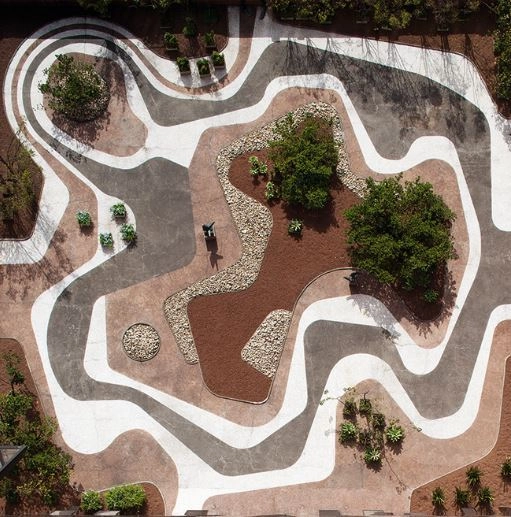
The Brazilian artist Roberto Burle Marx (1909-1994) is one of the most prominent landscape architects of the twentieth century. His famous projects range from the remarkable mosaic pavements on the seaside avenue of Rio de Janeiro’s Copacabana Beach to the multitude of gardens that embellish Brasilia, one of several-large scale projects he executed in collaboration with famed architect Oscar Niemeyer. Although his landscape design work is renowned worldwide, the artist’s work in other media remains little known. Roberto Burle Marx: Brazilian Modernist therefore explores the richness and breadth of the artist’s oeuvre—from landscape architecture to painting, from sculpture to theater
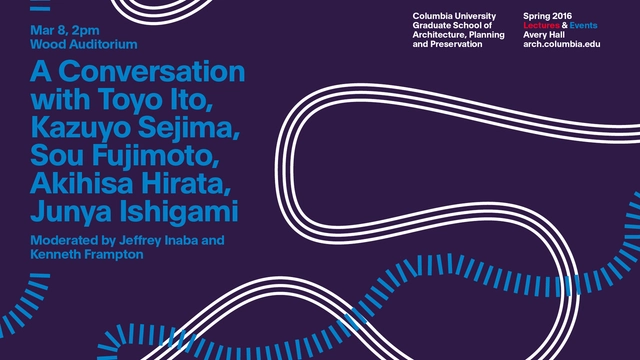
Columbia University Graduate School of Architecture, Planning and Preservation (GSAPP) hosts a conversation among five of the most influential contemporary Japanese architects: Toyo Ito, Kazuyo Sejima, Sou Fujimoto, Akihisa Hirata and Junya Ishigami. Moderated by Columbia GSAPP professors Jeffrey Inaba and Kenneth Frampton, the conversation aims to explore the relationships and creative exchanges among this prominent group of architects and designers.
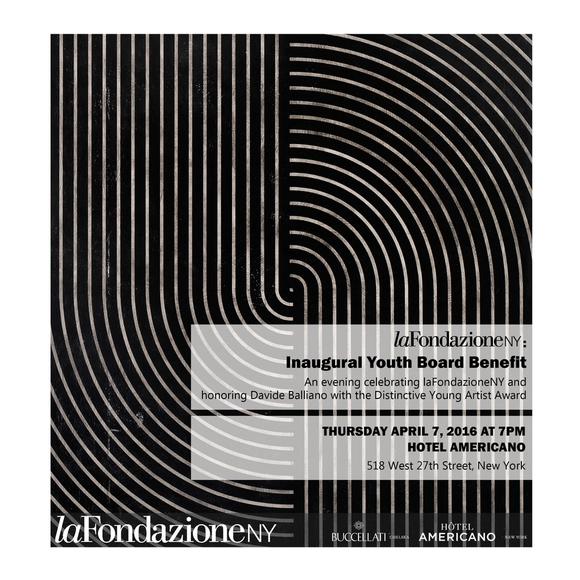
La Fondazione's Youth Board is proud to announce its inaugural Youth Board Benefit, an event that will raise awareness for La Fondazione NY’s mission as well as honor the work of emerging Italian artist Davide Balliano. Drawing references from architecture, nature, monuments and icons, Balliano’s work is the product of an ongoing investigation into the relationship between the individual and the macrocosm.