Invitation to the launch of Materia Arquitectura magazine #18
This launch celebrates the 18th edition of Materia Arquitectura magazine, an editorial project from the Faculty of Architecture, Art, and Design at Universidad San Sebastián, directed by Mario Marchant, which centers on the notion of the open project.
In October 2018, the second edition of the Wood and Architecture exhibition, organized by the Universidad San Sebastián School of Architecture in Puerto Montt, was held in the main hall of the Puerto Montt Historical Museum. The exhibition featured work resulting from an invitation to ten young Chilean architecture firms to participate in a small wood architecture brief: a mountain shelter for a Patagonian national park. The images, plans, and models from these exercises in wood exploration, alongside models, drawings, and photographs of various expressions of woodworking by students and faculty of the USS School of Architecture, were visited by more than 3,500 people.
This lecture explores the theme of CIRCULARITY through the lens of sustainability. The demand for economic circulation shapes our consumption patterns. Designing today with a circular economy in mind means anticipating reuse, future applications, and new modes of production and consumption. From fashion to product and object design, recycling and upcycling are opening up a wide range of possibilities.
Dynamics in the professional market have transformed how we work and consume; in this process, various professions have had to adapt to new technological trends. Architecture is no exception, and a new type of professional has had to adapt to these new consumption patterns. Office spaces have been redesigned, hierarchies have been flattened, and the creative process has been harmonized with this new reality.
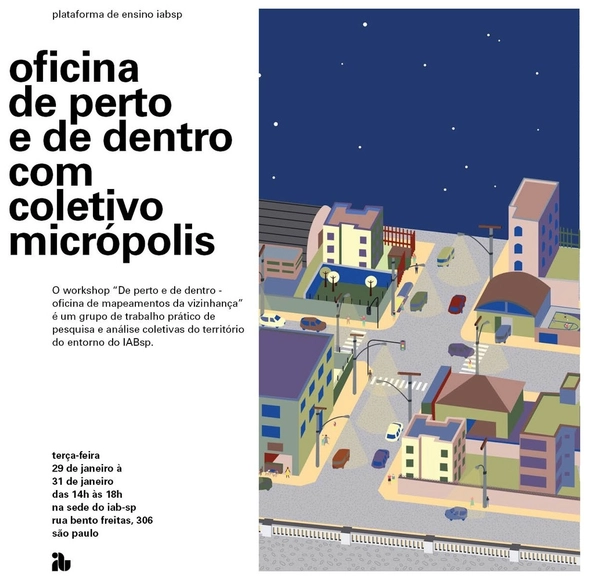
“Up Close and From Within: A Neighborhood Mapping Workshop” will be a practical working group focused on the collective research and analysis of the territory surrounding the IABsp.
Fluvial Metropolis - Design Afternoons / Drawn Conversations. Design Laboratory (LABPROJ) at the Faculty of Architecture and Urbanism (FAU USP)
The Design Laboratory (LABPROJ) at FAU USP (School of Architecture and Urbanism) will host activities focused on architectural projects for fluvial urban infrastructure every Thursday afternoon at the Centro Cultural São Paulo (CCSP), as part of the 12th International Architecture Biennial of São Paulo.
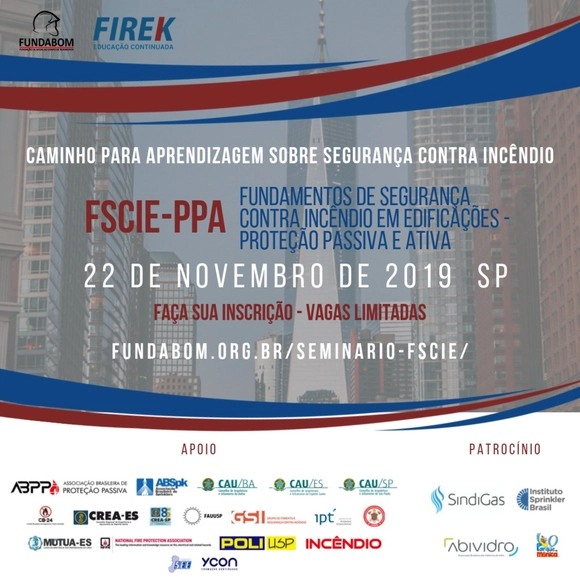
The seminar "Fundamentals of Fire Safety in Buildings: Passive and Active Protection" aims to present existing passive and active fire protection measures in buildings, systematized in a book that provides quick and easy access to information.
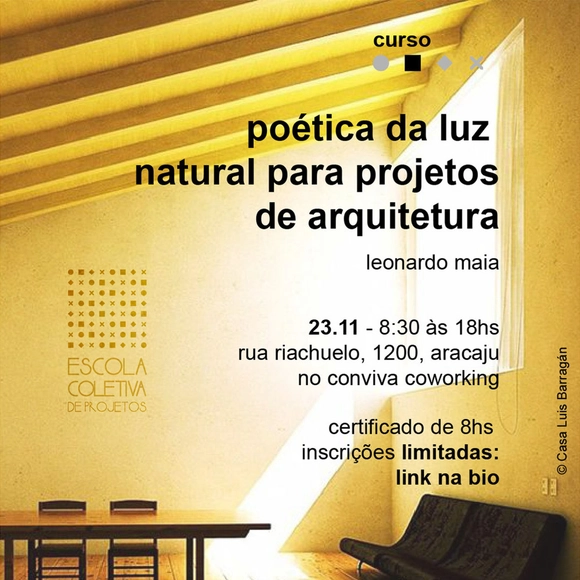
The poetics of natural light in architectural projects - Casa Barragán
The Escola Coletiva de Projetos was conceived from a desire to deepen reflection, debate, and the (re)formulation of more critical thinking regarding architecture, urbanism, and construction, particularly in relation to the Brazilian Northeast, its climate, customs, ways of life, and cities.
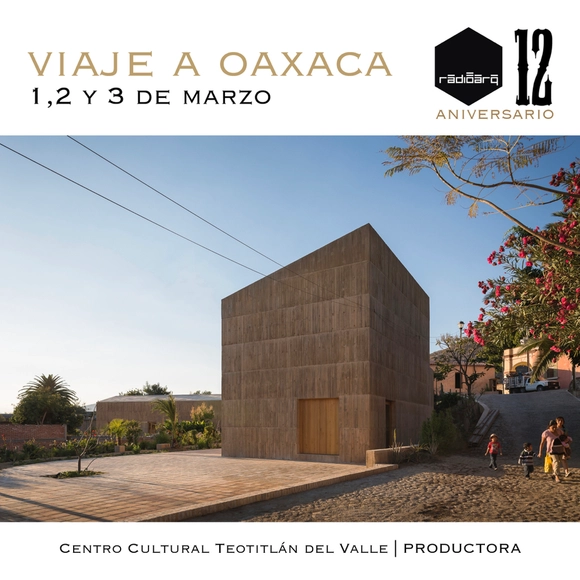
To celebrate the 12th anniversary of Radio Arquitectura, we have organized a trip to the wonderful state of Oaxaca. The itinerary includes an architectural tour featuring visits to the Museo Textil de Artesanos Arquitectos, the Teotitlán del Valle Community Cultural Center designed by PRODUCTORA, and the San Pablo Cultural Center by Taller de Arquitectura Mauricio Rocha + Gabriela Carrillo, among other projects. In addition, we will host a celebration at Expendio Tradición, designed by the studio Farca + Grappin. This event will take place on March 1st, 2nd, and 3rd, departing from Mexico City.
School of Architecture, Art and Design, Tec de Monterrey
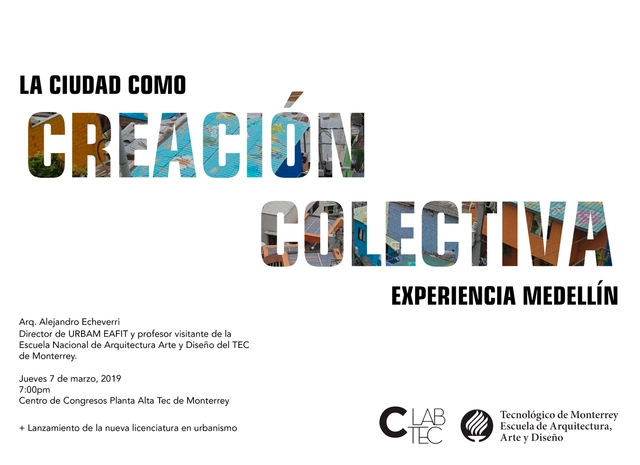
As part of the Cities Platform developed by the School of Architecture, Art and Design at Tec de Monterrey, architect Alejandro Echeverri will give a lecture at the Tec de Monterrey Congress Center in Guadalajara on Thursday, March 7, at 7:00 PM.
The Contemporary Architecture Foundation invites you to participate in the 'Culture and City and vice versa' conference, which, with the support of the Córdoba City Council's Department of Culture and Historical Heritage, aims to share and foster debate on various experiences applicable to the strategic planning of the city and the territory.
We invite you to participate in the Critic|all IV International Conference on Architectural Design & Criticism, organized by the Department of Architectural Design at the Madrid School of Architecture, Technical University of Madrid, in collaboration with the School of Architecture and Urbanism at the University of São Paulo.
If you are passionate about artificial intelligence and the technological advancements revolutionizing traditional manufacturing, we have great news. The prestigious Architectural Association School of Architecture (AA) in London is in Lima, Peru, to host a workshop on robotic manufacturing for architecture: the “Architectural Association Visiting School Lima-AAVSLIM.”
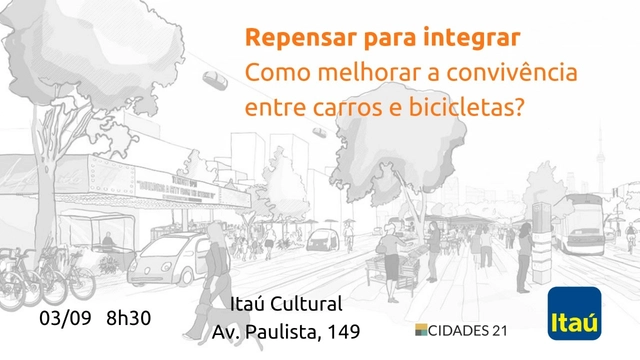
The 'Rethink to Integrate' event discusses alternatives for integrating cars and bicycles to make commuting more sustainable
Supported by Itaú Unibanco, the event will bring together representatives from the automotive sector, environmental organizations, and mobility programs.
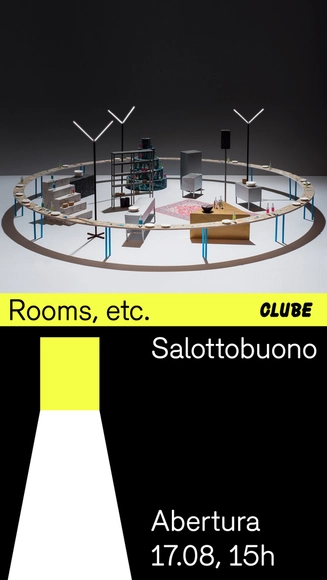
The entrance is a corner. The office, a museum. The bathroom, a cemetery. The backyard is a Desert. In the living room, a castle. In the hall, the banquet. In a basement, the volcano. The theater, the garden, the pool, and the tower.