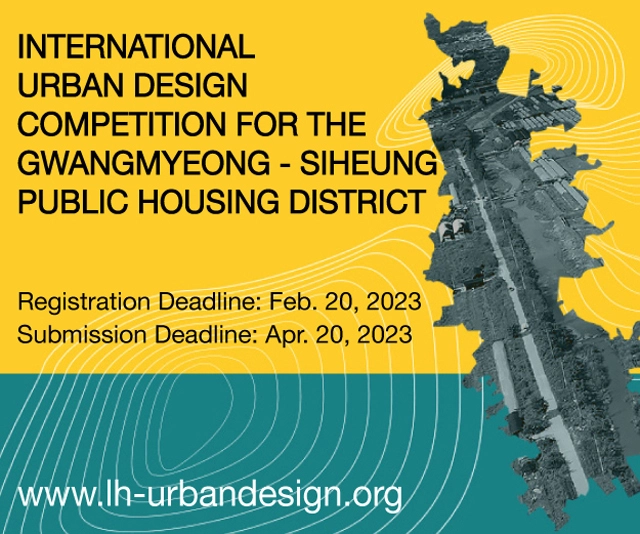
1. Background and Purpose of the Competition ● We intend to turn the Gwangmyeong-Siheung Public Housing District (the “District”) into a more futuristic urban town that provides its residents with more jobs, better housing and transportation, as well as more eco-friendly and safer environment. To this end, we launched this Competition to select the best proposal with a great urban master plan and implementation strategies for a multi-dimensional urban space planning for the specialty areas. ● Through this Competition, we plan to come up with the most promising draft of urban master plan exclusively devised for the District to enrich the project site with a great theme, symbolic significance and artistry, tapping into diverse and creative ideas.
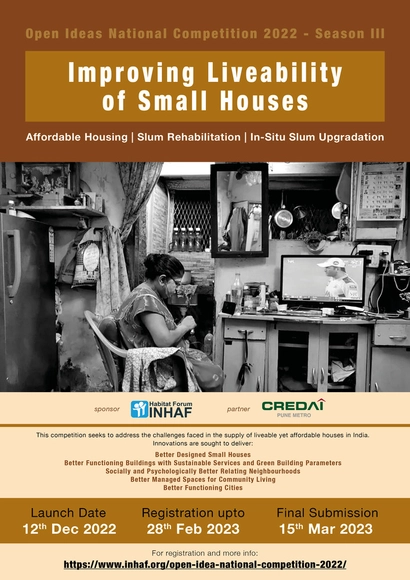
The Open Ideas National Competition 2022 on Improving Liveability of Small Houses organised by Habitat Forum INHAF in partnership with CREDAI Pune Metro seeks to engage practising architects, interior designers, planners, engineers and senior students of these faculties; related Non-Governmental Organizations (NGOs); Government agencies; Professionals working on slum-upgrading and slum rehabilitation, and others with innovative ideas in developing proposals on Improving the Liveability of Small Low-cost Housing being constructed by public agencies and private builders under the PMAY (Pradhan Mantri Awas Yojana) and other affordable housing schemes and projects.
ECA has a strong connection with the Venice Biennale of Architecture. This year's theme will be the "Laboratory of the Future" with a focus on Africa, decarbonisation , climate justice and architecture's ability to negotiate between and across boundaries in a world that is beginning the feel the effects of climate change.
No house should ever be on a hill or on anything. It should be of the hill. Belonging to it. Hill and house should live together each the happier for the other.
The unused real estate assets of Italy's inland areas can be the key to their development. We create a start-up with this precise task. If, after viewing our video presentation, you are fascinated by the idea and would like to take part in its realization, please write us your submission to our email: info@acctraction.design Only together can we achieve actual results.
Since Japan and the West began exchanging ideas in the mid-19th century, Japanese design sensibilities—from elaborate kimono garments and meticulously raked gardens to lavish compositions of ukiyo-e woodblock prints—have had wide appeal across Europe and the United States. Often ornate yet minimalistic, Japanese design embodies numerous visual approaches underpinning the notion of “just right” or “just enough,” known as hodo-hodo. While no single element characterizes the entirety of Japanese design culture, many scholars attribute the spectrum of Japanese design to cultural, social and spiritual practices deeply grounded in Japan’s history that continue to be observed in Japanese design practices today. Featuring a discussion with Taku Satoh, one of Japan’s most critically acclaimed contemporary designers, alongside two internationally recognized authorities on Japanese design sensibilities, Linda Hoaglund (bilingual filmmaker and cultural producer) and Sarah Teasley (Professor of Design, RMIT University), this live webinar will explore the underlying aesthetic and cultural roots essential for understanding the essence of Japanese design.
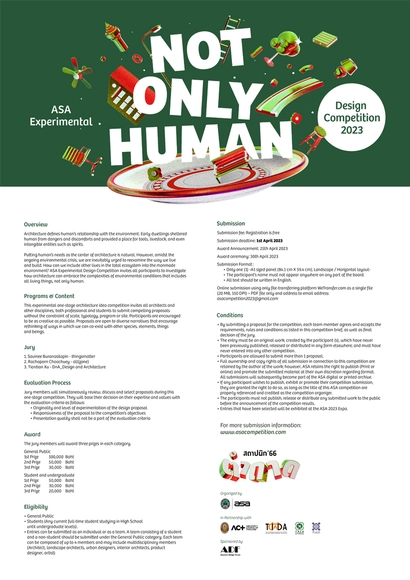
Overview Architecture defines human’s relationship with the environment. Early dwellings sheltered human from dangers and discomforts and provided a place for tools, livestock, and even intangible entities such as spirits.
The Brick Award is an internationally established award that presents outstanding brick architecture from all around the world. Independent architecture critics, experts, architects and developers are invited to submit innovative and creative buildings and other construction works made of clay building materials. The spectrum of applications ranges from building solutions using classic clay blocks, facing bricks and roof tiles to the creative application of clay pavers and ceramic façade panels.
The Institute for Advanced Architecture of Catalonia (IAAC) launched the book of its 9th Advanced Architecture Contest: Design for Biocities. The publication includes the more than 130 proposals that were selected among the 202 proposals received from over 50 countries.
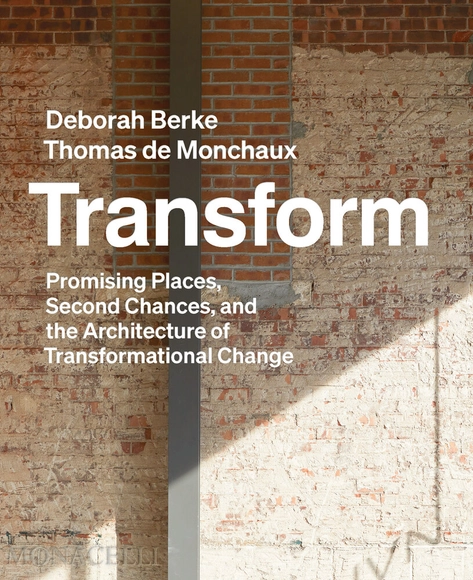
A guide to contemporary architecture practice in one of the most important fields today - the transformative adaptation of existing buildings. A manifesto and survey of contemporary practice by one of the leading offices in this domain, Deborah Berke Partners.
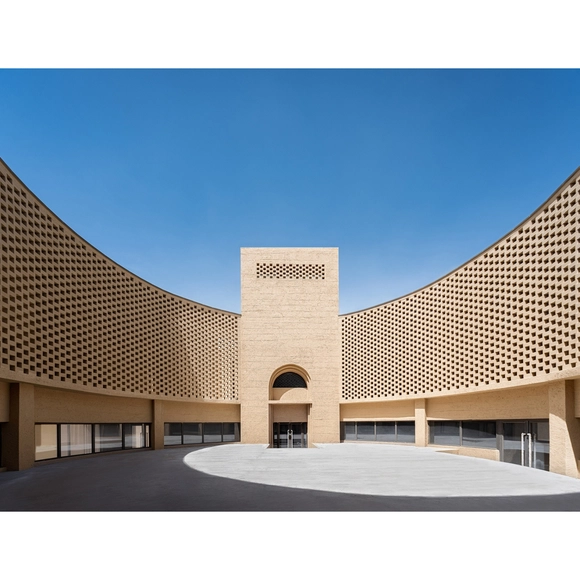
YM Studio, Dongyi Dunhuang Hotel, 2021. Image Courtesy of A' Design Award & Competition
One of the most important design competitions in the world, the A' Design Award and Competition is open for yet another cycle of awards, with over 100 categories to apply to. Rewarding the best designs, design concepts, products, and services, whether at the concept stage, prototype, or as finished products, the A' Design Award not only gives tremendous visibility to winning projects but at the same time supports global design culture, creating incentives for entrants to submit superior designs for a better future.
The deadline for submission is February 28, 2023 and the results will be announced to the public on May 1. Register, nominate, or submit your design here, and find more information below.
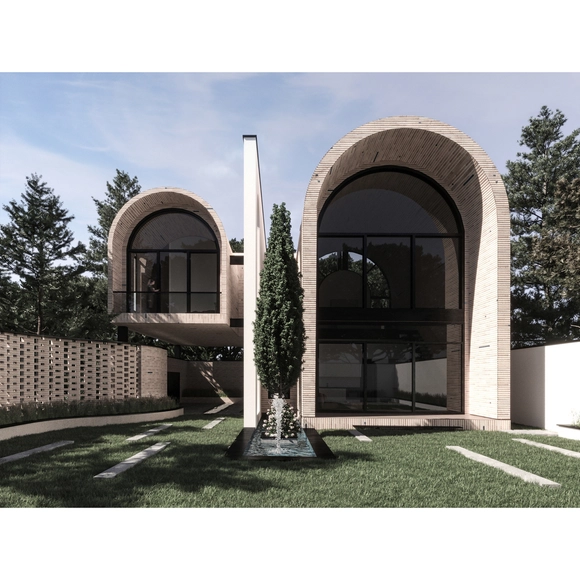
Hossein Hassani - Amin Habbibi - AAD Architecture Office. Image Courtesy of A' Design Awards
The 2023 A' Design Award Competition is announcing its last call for submissions, which close on February 28th, with the results announced to the public on May 1st. The international A' Design Awards give designers an opportunity to showcase their work to a global audience, for designers, architects, or innovators from any other design field. Among other design competitions and awards, the A' Design Award stands out for its exceptional scale with over 100 design categories.
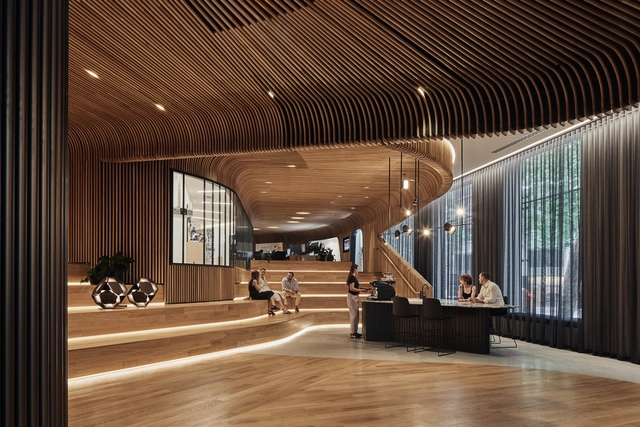
Envisioned by the architectural pioneers at Woods Bagot, the Sculptform Design Studio was the recipient of the prestigious Best Small Workplace Award at the recent World Architecture Festival 2022. The space is an immersive tactile experience and has become a gathering space for the wider architecture industry. The design evokes the bespoke timber and aluminium products, craftsmanship and the custom detailing they are known for.
Sculptform and Woods Bagot set a new standard for the reciprocity that can exist between client and architect and showcases the limitless potential when a design team is truly immersed in materiality. Blurring the line between retail space and installation, it is a brilliant ‘working showroom’ case study for just how impactful design can be when local manufacturing and quality craftsmanship come together.
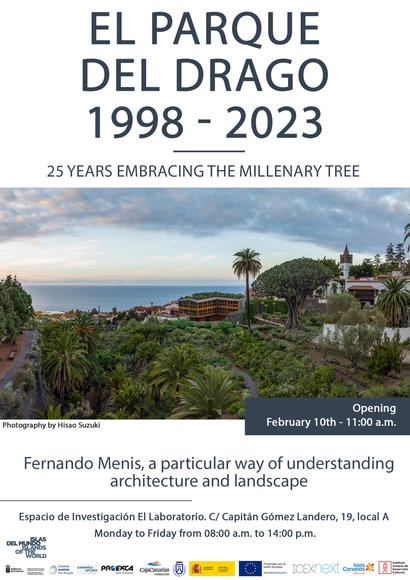
The Dragon Tree of Icod de los Vinos, in Tenerife, is the oldest specimen of Dracaena Drago, which is preserved in the Atlantic archipelago, a tree 16 m high with a 20 m circumference at the base. An endemic species of the Canary Islands, with a slow growth, the dragon tree has a strong symbolism since, in the past, it was considered the protector of the islands, but, at the beginning of the 1980s, the one who needed protection was precisely the dragon tree. Visitors - about 1 million a year - flocked to visit it, and the intense activity that tourism brought around it put its life in danger. It was necessary to stop the visits and find solutions so that the drago tree did not die of success.
The call for applications for the IOC-UNESCO online Ocean Literacy Training hosted in Ocean Teacher Global Academy dedicated to Architects, Designers and Urban Planners is now open!
Karel Klein is an architect and educator who has been working with various AI technologies since 2016. Her ongoing project is an investigation into crossbred image-objects produced using atypically trained GANs (generative adversarial networks) and their capacity for contemporary myth-making in architecture. In the same way that imaginative vocabulary and metaphoric style were primary, if literary instruments for the invention of new mythologies for the Surrealists, the strange and idiosyncratic qualities of images produced using AI are similarly a kind of matter metaphor-ed and made visible by the cyborg imagination. With these tools, Karel is interested in the re-enchantment of the architectural body—one that both foments and succumbs to sensual perceptions, and one that discovers new and unexpected relations to the world beyond the realm of the rational. Her work in this realm has been exhibited at the 2021 Venice Biennale; the FRAC Institute, Orleans, France; Des Lee Gallery, St. Louis; and SCI-Arc Gallery, Los Angeles. Recent essays in pursuit of this work include “Verto Pellis” in Offramp, issue 17; “Machines are Braver than Art” in “Rendering Fiction,” Paprika!, volume 7, issue 8; and “Machines À Rechercher,” in Log 55, summer 2022. Karel teaches currently at Washington University, University of Pennsylvania, UCLA, and the Southern California Institute of Architecture (SCI-Arc).
Designed directly by the internal Research & Development office, the new showroom becomes the focal point of Linvisibile’s presence in the Piedmont area.