
Becky Quintal
Former Head of Content. Prior to assuming her role at ArchDaily, Becky worked as an editor for leading architecture firms OMA/AMO, BIG (Bjarke Ingels Group) and Reiser + Umemoto. She also worked as an editor for Princeton University School of Architecture and Harvard University's Graduate School of Design. She holds degrees from Princeton University, Harvard University and the School of Visual Arts.
BROWSE ALL FROM THIS AUTHOR HERE
↓
VIDEO: I LIKE Green

https://www.archdaily.com/496562/video-i-like-greenBecky Quintal
From Autonomy to Automation: The Work of Peter Eisenman

BANAMID Architecture Research Institute in collaboration with AN.ONYMOUS will hold the third International conference from the “Contemporary Architecture: Iran and the World Dialogue” series in Tehran, Iran. The conference, titled “From Autonomy to Automation: The Work of Peter Eisenman” will focus on the defining legacy of Peter Eisenman spanning across 50 years of his intellectual and professional body of work. The conference will trace the evolution of Eisenman’s work over time and will examine its imprint on the contemporary discourse of architecture.
https://www.archdaily.com/496509/from-autonomy-to-automation-the-work-of-peter-eisenmanBecky Quintal
Christoph Gielen's "Ciphers": Aerial Views of American Sprawl
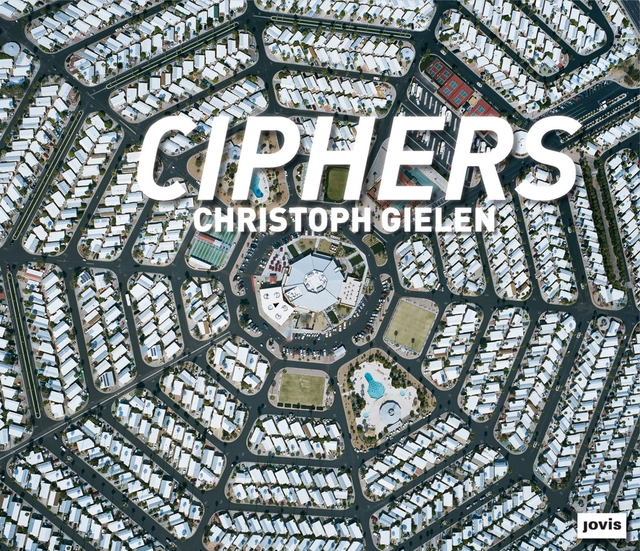
From the Publisher. Christoph Gielen’s aerial views offer a look at America’s most aberrant and unusual sprawl forms in ways we usually don’t get to see them: from far above the ground—a vantage point that reveals both the intricate geometry as well as the idiosyncratic allure of these developments. Here, encountering sprawl becomes an aesthetic experience that at the same time leaves us with a sense of foreboding, of seeing the “writing on the wall”. At once fascinating and profoundly unsettling, these photographs detail the potential ramifications of unchecked urbanization. When these settlements were developed, neither distance from work place nor gasoline prices much mattered in determining the locations of new constructions. These places are relics from an era that was entirely defined by a belief in unlimited growth, of bigger is better. The startling extent of those practices, and their inherent wastefulness, come to light in Gielen’s pictures—as if looking at a microcosm of non-sustainability through a giant magnifier.
Contributing essays by Johann Frederik Hartle, Galina Tachieva, Srdjan Jovanic Weiss, Susannah Sayler and Edward Morris contextualize Gielen’s work by focusing on a range of aspects, from aesthetics to climate change and futurology. They also examine why taking a closer look at these places is particularly crucial at this juncture, when we are faced with a new wave of building booms in developing nations such as in China.
https://www.archdaily.com/496567/christoph-gielen-s-ciphers-aerial-views-of-american-sprawlBecky Quintal
MIT's Thresholds Launches New Website
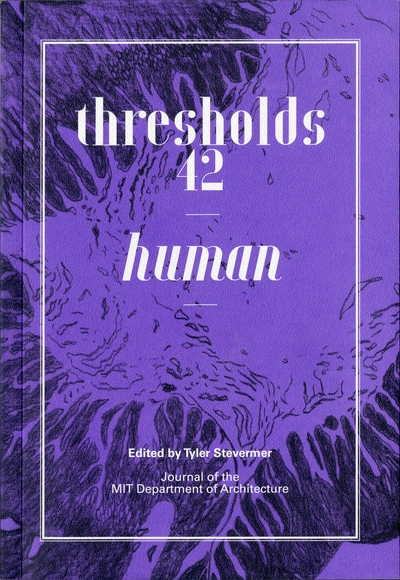
In time with the release of the 42nd issue, Human, Thresholds Journal — MIT’s peer-reviewed journal of art, architecture and culture — has launched a new website. The new ThresholdsJournal.com has been redesigned with more content, spanning the past two decades of the journal’s publication. Other features include online purchasing of past issues, enhanced search capabilities for past contributors, and social media interactivity. The new website will feature news on upcoming issues and related events, submission calls, as well as the broad range of voices that Thresholds has featured since 1992.
https://www.archdaily.com/496621/mit-s-thresholds-launches-new-websiteBecky Quintal
VIDEO: I LIKE Yellow

https://www.archdaily.com/494343/video-i-like-yellowBecky Quintal
Wingårdhs Bests Snøhetta, Foster + Partners in Statoil Competition
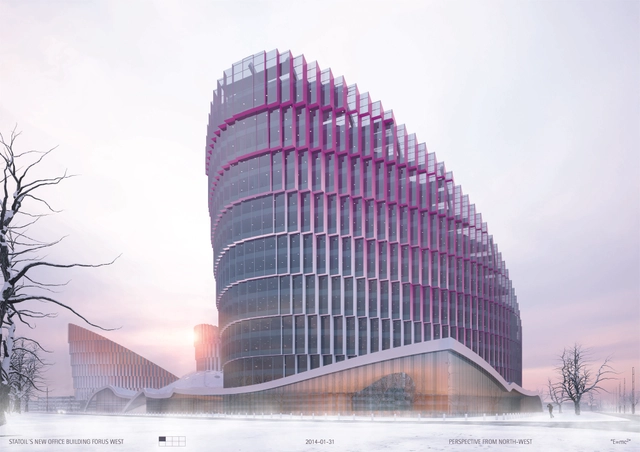
A jury of seven, consisting of three architects and four Statoil employees, unanimously chose Wingårdhs' design proposal—dubbed "E=mc2"—for the company's campus at Forus West in Norway. Four other firms were shortlisted along with Wingårdhs: Foster + Partners (UK) together with Space Group (Norway), OMA (the Netherlands), Snøhetta (Norway) and Helen & Hard (Norway) together with SAHAA (Norway). OMA, however, pulled out of the competition before the final submission.
The competition consisted of a proposal for an office building for 3500 work places and a masterplan for the entire Statoil property at Forus West. Wingårdhs' design features an elliptical, chamfered building that tapers to 16 stories, set within a masterplan that will give the company a high degree of flexibility for future development. Statoil announced on Thursday that "The jury sees the potential for [E=mc2"] to be a distinct identity carrier for Statoil, which will both strengthen the Forus area and give Statoil employees pride and inspiration. The project has a significant innovative nature through advanced technological solutions, which fits well with Statoil as a leading technology company. Its clear inclined surface towards the sun is suitable for Statoil's energy and environmental ambitions."
More information about Wingårdhs' winning proposal and images of the other teams' proposals can be found after the break.
https://www.archdaily.com/493838/wingardhs-bests-snohetta-norman-foster-in-statoil-competitionBecky Quintal
Call for Submissions: Thresholds 43
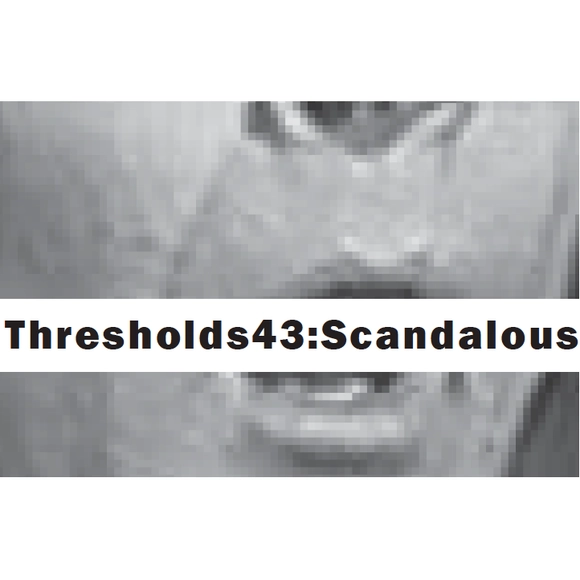
Gasp! What provokes this reflex that leaves one short of breath? More than just a sudden turn of events, for discourse to move from gossip to scandal there have to be stakes. Reputations, profits, and history-by-the-winners are on the line.
https://www.archdaily.com/472234/call-for-submissions-thresholds-43Becky Quintal
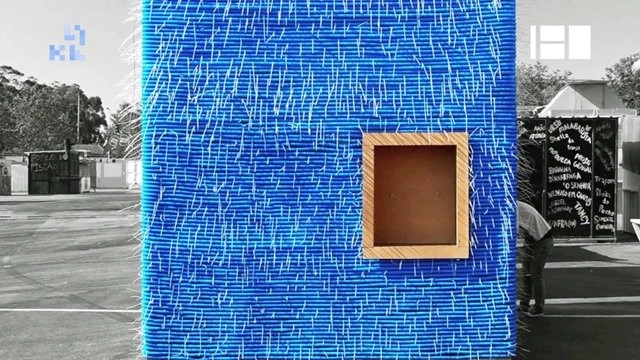
VIDEO: I LIKE Blue
https://www.archdaily.com/491663/video-i-like-blueBecky Quintal
CHRONOMANIFESTES
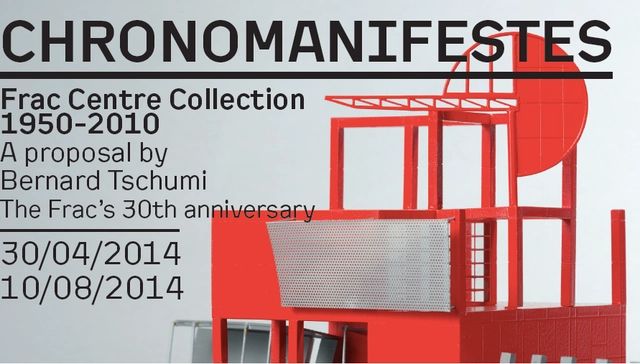
The ‘Chronomanifestes’ exhibition by Bernard Tschumi, first presented at Les Abattoirs in Toulouse, will be re-exhibited again in 2014 at the Turbulences – Frac Centre. The radical period of architecture (Superstudio, Archizoom in Italy, Archigram in the United Kingdom to take just two examples) indeed proves itself extraordinarily rich in concepts and critical manifestos that challenge the discipline of architecture to form hybrids with artistic production and to advocate a political position.
https://www.archdaily.com/490376/chronomanifestesBecky Quintal
VIDEO: I LIKE Multicolor

https://www.archdaily.com/489974/video-i-like-multicolorBecky Quintal
Critics and Peers Comment on Shigeru Ban's Pritzker Prize
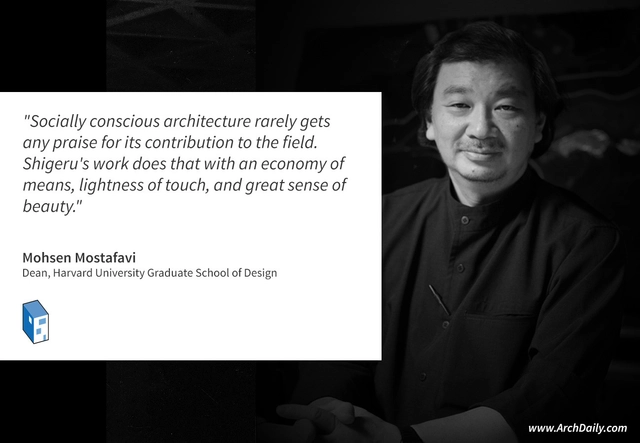
Yesterday we asked some prominent critics and a few of Ban's peers to weigh in on the Japanese architect's Pritzker win. Curators, architects, and writers praised Ban's approach and conviction, describing what Ban's work signifies to the architecture community. Read on for comments from Architecture for Humanity co-founder Cameron Sinclair, MoMA curators Barry Bergdoll and Pedro Gadanho, Cooper Union classmates Nanako Umemoto and Jesse Reiser, of Reiser + Umemototo, and more.
"We are very proud of Shigeru as the first Pritzker Prize Winner to have graduated from Cooper Union. Shigeru continues to embody the independent thinking that was highly emphasized through our education. We met Shigeru in 1979, and can speak to his dedication to humanity from the beginning. As we recall, each design problem for Shigeru became an occasion to explore the work of what he considered to be the master architects as a way of developing his own voice. It has become fashionable to connect architecture to social causes; however, Shigeru has never seen it as a trend, but rather something fundamental to his design practice. Unlike those in the discipline who conflate their social and political commitments with architecture, he happens to be a very fine architect. As a result of his education abroad and his inclination to define a unique practice, Shigeru has always been viewed as an independent within the Japanese scene. We are very excited that Shigeru's work is being honored."
- Nanako Umemoto and Jesse Reiser
Founders of Reiser + Umemototo, RUR Architecture PC
https://www.archdaily.com/489809/critics-and-peers-comment-on-shigeru-ban-s-pritzker-prizeBecky Quintal
A Selection of Shigeru Ban's Best Work

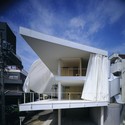
Explore the architectural development of Pritzker Laureate Shigeru Ban - from his early, more minimalist residential work in the 90s to his experimental, undulating structures (2010's Pompidou Metz, Nine Bridges Golf Club) to his latest masterpiece in timber construction, Tamedia New Office Building (2013).


https://www.archdaily.com/489222/a-selection-of-shigeru-ban-s-best-workBecky Quintal
The Berlage Archive: Luis Fernández Galiano Theory Master Class (1994)

https://www.archdaily.com/489109/the-berlage-archive-luis-fernandez-galiano-theory-master-class-1994Becky Quintal
25 Instagram Feeds to Follow Now (Part II)

Last June, we published our first list of must-see Instagram feeds to follow, but we knew it was only the tip of the iceberg. Once again we’ve scoured the web (and followed your excellent suggestions) to track down the 25 Instagrammers who will be sure to inspire – including dare-devil adventurer raskalov, up-and-coming architecture photographer nicanorgarcia, and our very own editor-in-chief.
See the 25 awesome architecture instagrammers, after the break…
https://www.archdaily.com/488331/25-instagram-feeds-to-follow-now-part-iiBecky Quintal
ArchitectureBoston's Latest Issue Offers Design Recommendations For A New Boston
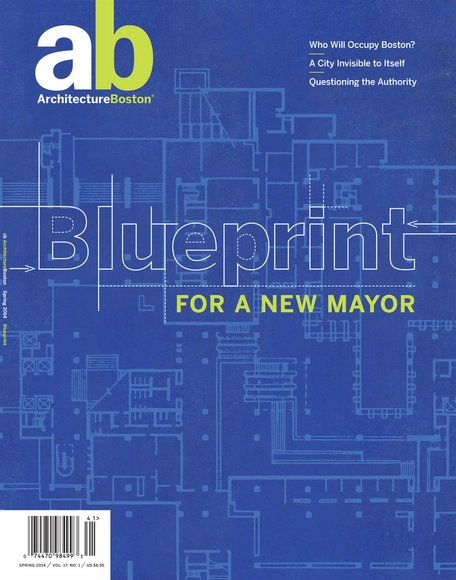
Available today, the spring 2014 issue of ArchitectureBoston magazine, Blueprint for a New Mayor, investigates the critical design challenges facing Boston’s first new leader in two decades. The issue focuses on the city’s challenges surrounding housing, transportation, public space, and regionalization, plus offers recommendations for designing a Boston that is more open, safe, beautiful, and fair. Visit architectureboston.com to read the latest issue.
https://www.archdaily.com/486011/architectureboston-s-latest-issue-offers-design-recommendations-for-a-new-bostonBecky Quintal
VIDEO: I LIKE Purple

ArchDaily has teamed up with Portugal's Canal 180 to bring you their series I LIKE. Check out episode 3, I LIKE Purple. The video features SO-IL's Flockr Pavilion, raumlabor's SOFT SOLUTION and two other purple-hued spatial interventions.
I LIKE is an original series on architecture and spatial intervention, developed in a collaboration between Canal 180 and LIKEarchitects atelier. Diogo Aguiar and Teresa Otto have created a chromatic experiment and spatial exercise—organized by color—that reveals some of the most amazing architectural interventions in the world.
Next week ArchDaily will premier the fourth installment of I LIKE. Stay tuned!
https://www.archdaily.com/487233/video-i-like-purpleBecky Quintal
5 Ways Koolhaas' Biennale Will Be Different From the Rest
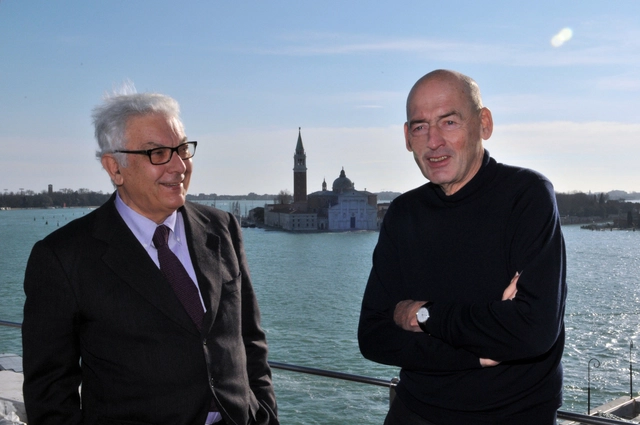
As Rem Koolhaas completes the introductory press circuit for the 2014 Venice Biennale, we're learning more about one of the most anticipated Biennales in recent memory. Here's what we've gleaned from Oliver Wainwright's revealing story in today's Guardian:
1. Koolhaas has been asked to direct the Venice Biennale before, but hasn't accepted until now. "I have been asked to direct it a number of times before, but I held out for two conditions: that I have a year and a half to plan it, and that I can sever all connections with contemporary architecture – which is not in particularly good health."
https://www.archdaily.com/486094/5-ways-koolhaas-biennale-will-be-different-from-the-restBecky Quintal