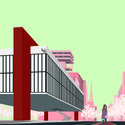
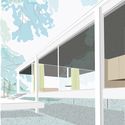
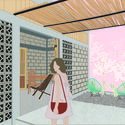
In the introduction to the book La casa es una idea, architects Llosa and Cortegana present their professional credo, drawing on several quotes from notable architectural and cultural writers. The tone of this introductory essay persists throughout the brief texts that complement the graphic presentation of 40 houses designed by the firm between 2002 and 2017. All of these were drawn specifically for this publication by José Luis Villanueva, the book's third author, who first explains his analytical work through graphic and three-dimensional representation.
Women gaining a more prominent role in the labor market is an ongoing process, reflecting major historical efforts linked to the struggle for equal rights. While this is a subject of constant discussion and revision—especially considering that the gender spectrum should not be reduced to a simple male-female binary if we are to achieve a coherent and complex understanding of disparity—the relationship between occupation types, earnings, and gender generally continues to point to unfavorable conditions for women.
One of the most critical factors in architectural design is the site's specific climate. While this can present challenges in extreme conditions—requiring insulating materials to adapt to shifting environments—Mexico's privileged climate works in the architects' favor. It allows them to create microclimates and spaces that blur the boundary between indoors and outdoors.
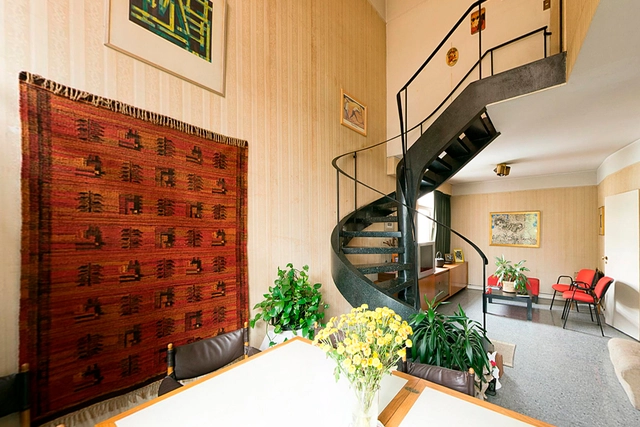
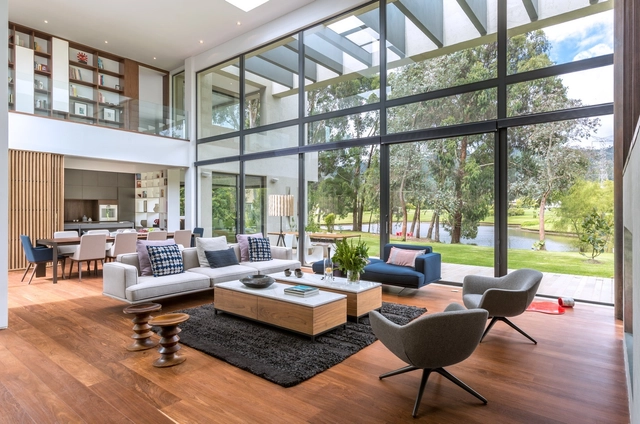
Architecture impacts the context in which it is built. However, the user experience ultimately unfolds within interior spaces. Great figures like Rogelio Salmona and Antonio Gaudí conceived their works across the entire architectural spectrum, ensuring that even the finest finish details were integral to the experience.
While governments around the world call for “social distancing” and some of them militarize public space through violence and the shattering of collectivity, the Zapatista Army of National Liberation calls to “raise high the banner of the struggle for humanity,” to not lose human contact, and to keep social struggles alive.
COVID-19 arrived in Latin America just over a month ago. Beyond the immense challenges it presents for healthcare and hospital infrastructure, the regional context of poverty, inequality, extractivism, gender-based violence, and racism is deeply alarming, turning this economic and health crisis into a battle for human rights. If there is one thing on which all countries dealing with the virus for months have agreed, it is that the only way to curb the pandemic is by staying home and washing hands constantly. Yet, under the hashtag #ToStayHomeYouNeedToHaveOne, how can one follow these recommendations without a home for shelter? How can more than 34 million people in the continent who lack access to water wash their hands?
https://www.archdaily.com/1124192/the-pandemic-makes-visible-what-has-always-been-there-inequality-and-individualismMariana Ordoñez y Jesica Amescua
This article by Cristian Yarasca Aybar was originally published in the 11th issue of revista rita_ under the title "El problema de la distancia: las plataformas multisectoriales “tambos” como una oportunidad proyectual sistemática para el territorio rural peruano" [The Problem of Distance: "Tambo" Multisectoral Platforms as a Systematic Project-Design Opportunity for the Peruvian Rural Territory]. The research aims to identify the design potential of the "National Tambo Program" in Peru from a systematic vision of the national territory.
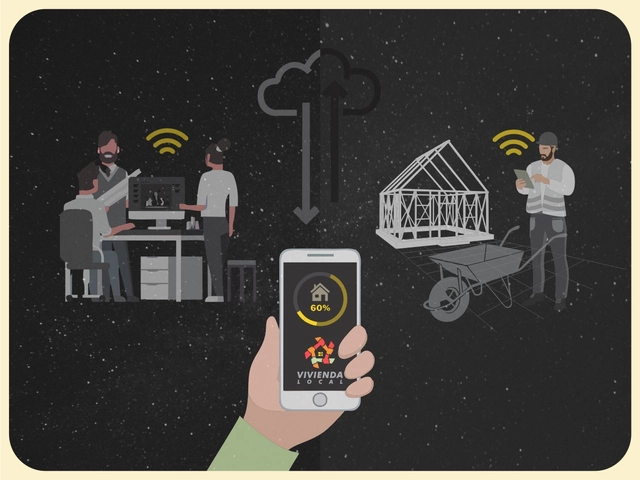
The NGO Vivienda Local, which works through collaborative self-construction in Chile, has launched a website to monitor the progress and stages of its active projects. The platform is designed to streamline operations and enhance communication between the architects using this methodology and the self-building families.
https://www.archdaily.com/1124131/local-housing-a-web-platform-for-assisted-collaborative-self-construction-projectsArchDaily Team
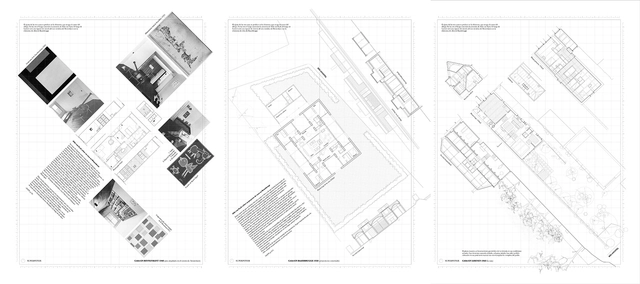
This article by Alejandro Campos Uribe was originally published in the 9th issue of rita_ magazine under the title "How to Draw the Architecture of Aldo van Eyck: Five Drawings of the Van Eyck Family House in Loenen."
While predicting and preventing damage and disasters are increasingly critical factors when designing our buildings, spaces, and cities, certain extraordinary events still escape our control. These situations demand immediate and urgent architectural responses capable of providing shelter and quality of life to communities affected by natural disasters and conflicts of all kinds—solutions that, in the most extreme cases, may be the only chance of survival for many.
Natural disasters such as earthquakes, tsunamis, hurricanes, and floods, as well as armed conflicts, territorial disputes, or other global humanitarian crises—such as the COVID-19 pandemic—require an immediate response to control and prevent worsening consequences, helping to save lives. **Emergency architecture** can be defined as a constructive response to the most urgent human needs that arise during crises and exceptional situations. It materializes as responsive infrastructure aimed at providing immediate solutions, ranging from shelters for displaced people to healthcare and medical facilities in affected areas.
Hello, ArchDaily readers. Happy New Year as we enter a new decade. This year marks our 12th anniversary. Thank you for accompanying us throughout the 2010s and growing alongside us to contribute to the architectural community. At our founding, we pledged to “provide inspiration and knowledge to help architects build better cities.” In this new decade, we embrace an expanded mission: “to provide inspiration and tools to improve the quality of life for city dwellers.” Everyone is an independent creator, and we are here to serve each and every one of you.
https://www.archdaily.com/1124150/2020s-forging-ahead-archdailys-new-years-resolutions韩爽 - HAN Shuang
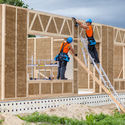
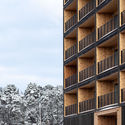
Climate change is arguably one of the greatest current threats to human survival, resulting from global warming driven by rising greenhouse gas (GHG) emissions, of which carbon dioxide (CO2) is the primary contributor. Globally, buildings accounted for approximately 40% of CO2 emissions in 2018, when factoring in direct, indirect, and embodied emissions (over the lifecycle of construction products) (UNEP, 2019). At the same time, because the building sector consumes—and will continue to consume—vast amounts of materials to address severe housing deficits, in many countries it is a pivotal sector, offering a prime opportunity to help combat climate change. To achieve this, a key pathway is promoting the use of biomaterials.
Architectural academia is becoming increasingly aware of the contemporary and territorial challenges facing local communities. Universidad del Norte presents this series of six thesis projects by its students, exploring the coastal region of northern Colombia through architectural recycling, regeneration, and urban renewal.
TEN Arquitectos is an architectural firm based in Mexico City, New York, and Miami, founded by Mexican architect Enrique Norten. With 33 years of experience designing from a global perspective, the practice brings a consistent international sensitivity to every new space it creates. This body of work has been recognized with numerous national and international awards, including the Mies van der Rohe Award for Latin American Architecture, honors from the national American Institute of Architects (AIA) and various US chapters, Architectural Record, Architect Magazine, Architizer, and Biennials in Mexico, Argentina, and Ecuador, as well as the Royal Institute of British Architects (RIBA), among others.
In these times of change, the more we cling to the pre-existing and resist the inevitable, the harder it will be to adapt. When everyone is equally exposed to the consequences of change, adaptability—alongside empathy—becomes the common denominator, allowing us to set aside, if only temporarily, the selfishness that segregates society.
Perhaps excessive competition also fosters this estrangement among colleagues. Architectural academia pushes us to compete for grades and prepares us for design competitions, and while this methodology can empower us to drive self-improvement, on a mass scale it generates segregation and harmful preconceptions.
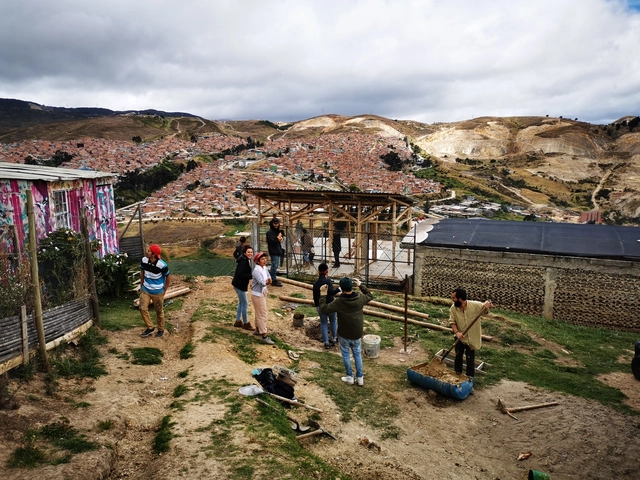
Researchers Andrés Sánchez Arias, Stefanie Pechar, and Andrés Felipe Martínez Motta share the following article on food self-management and community action during the pandemic, focusing on the specific case of the Altos del Pino neighborhood in Cazucá, located in Soacha, south of Bogotá.
https://www.archdaily.com/1124156/self-management-in-times-of-pandemic-in-southern-bogotaAndrés Sánchez Arias, Andrés Felipe Martínez Motta y Stefanie Pechar
The Maya Train is the federal government's flagship project, formally announced in December 2018. It is planned as a regional train for locals, tourists, and cargo, intended to generate regional economic benefits through tourism. According to the official project brochure, it "is based on a sustainable development model that drives economic growth without depleting the environment" and "promotes a tourism scheme in which visitors travel through local communities, preventing tourist concentration in a single destination," thereby "distributing wealth throughout the peninsula."
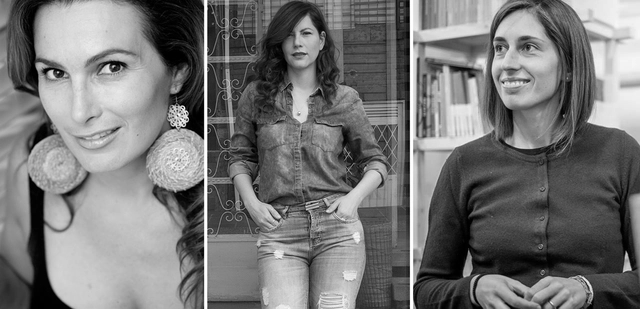
Historically, architecture is a discipline that for many years was a male-dominated territory, until in 1939, María Luisa Dehesa became the first Mexican female architect. Yet, despite the perception that gender parity has been achieved in the education of architects in Mexico, the concept of masculinity (which can be exercised by both men and women) continues to permeate architecture. This is reflected in design processes, in the figure of the "unreachable architect," in a sense of competitiveness, in hierarchical structures, and, in the most unfortunate cases, in the notion that women design interiors while men design *real* architecture.
Edificio los Eucaliptus. Captura extraída del modelo digital. Image Cortesía de Arquitectura Moderna 360º / @arquitecturamoderna360
Lately, virtual technology has become a crucial resource to support users and students worldwide. Courses, training programs, and books have successfully transitioned to digital formats to ensure the continuity of educational, training, and leisure activities. Understanding this shift, the Arquitectura Moderna 360 project has created a free-access web database that functions as a digital catalog or log, compiling various three-dimensional models, 360° panoramic photos, and VR of representative works of the Modern Movement in Argentina. This allows users from anywhere in the world to immerse themselves in the interior spaces of iconic buildings that have played a significant role in the country's architectural history.
Eduardo Useche, director of the Arquitectura para Aliens podcast, presents excerpts from the transcript of a discussion he moderated, reframing the vision and stance of the architect. Focusing on the uncertain future following the COVID-19 pandemic, the discussion brought together leading representatives of the various associations safeguarding the role and responsibility of professionals and academic institutions linked to architecture. In this pandemic context, construction is one of the hardest-hit sectors, largely because construction sites are not run by contagion-free machines—at least for now.
Figure 13. Archaeology map of the Dehesa del Generalife. Remains of ancient buildings and infrastructures. (Source: R&D&I Project of the University of Granada under the title "Patrimonio y Paisaje Cultural. Revalorización de la identidad histórica y cultural de la Dehesa del Generalife de la Alhambra: Instrumentos de registro y procesos de reconocimiento", 2014). Image via Revista rita_
This article by Juan Domingo Santos and Carmen Moreno Álvarez was originally published in the 8th issue of rita magazine under the title "Identidades del territorio Alhambra. Instrumentos de registro y procesos de reconocimiento de un paisaje cultural" (Identities of the Alhambra Territory: Instruments of Registry and Processes of Recognition of a Cultural Landscape) and is part of a joint dissemination collaboration. The following text presents research that proposes a series of measures to record, analyze, and disseminate the cultural values of the Dehesa del Generalife—a territory continuous with the monumental complex of the Alhambra, rich in archaeological, architectural, landscape, environmental, and ethnological resources.
https://www.archdaily.com/1124108/identities-of-the-alhambra-territory-record-and-recognition-of-a-cultural-landscapeJuan Domingo Santos y Carmen Moreno Álvarez
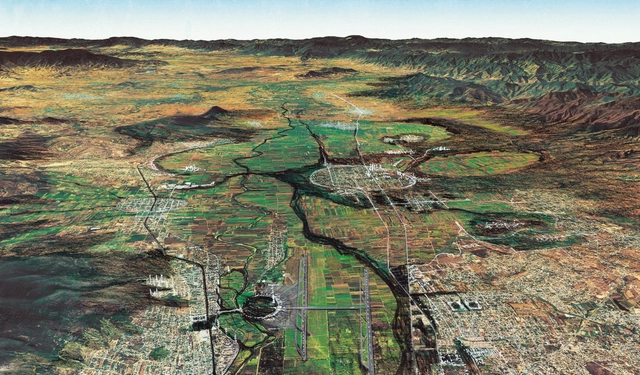
Oaxaca is one of Mexico's thirty states, renowned for a rich culture that has shaped a territory celebrating its roots. Located in the country's southeastern region, it borders the Pacific Ocean and is known for its indigenous communities, where Zapotec and Mixtec cultures predominate. In addition, Oaxaca is home to a vibrant public life where streets, pedestrian walkways, and plazas frame a diverse range of political, religious, and popular activities. This has drawn the attention of various projects and research initiatives seeking to highlight this social effervescence.
Climate change is an issue that has gained increasing traction in public and professional discourse over recent years, driven by a clear urgency to research, document, and mitigate environmental damage through multidisciplinary strategies that raise awareness of our current reality. Organizations such as the UN have issued a global call to action to adopt measures that end poverty, protect the planet, and ensure that all people enjoy peace and prosperity.
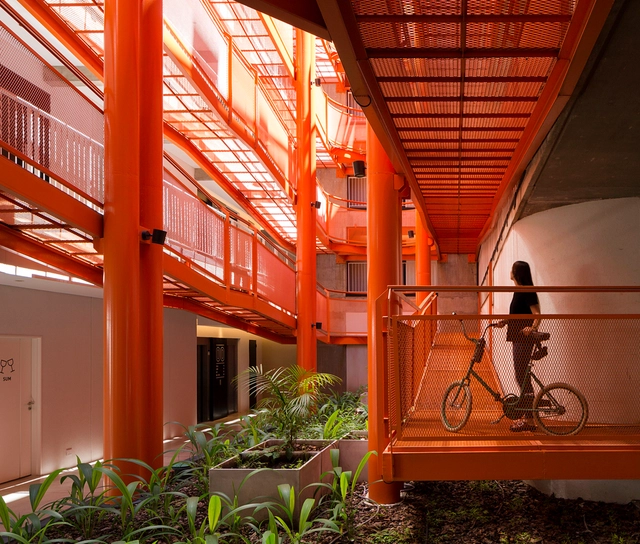
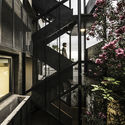
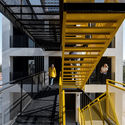
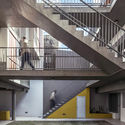
In collective housing projects, apartments, and residential complexes, design intentions regarding spatial qualities and atmospheres typically focus on the spaces where residents spend most of their time: the interiors of the housing units and, when available, common areas like gyms or multipurpose rooms. Circulation spaces, by contrast, are often treated merely as “transitional areas,” meaning they frequently address functional requirements rather than spatial experiences.

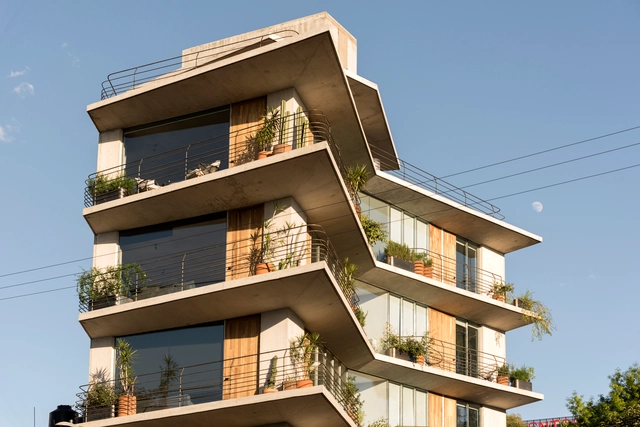

.jpg?1594917129 "MO47 Building / ZD+A. Image © Jaime Navarro")






.jpg?1578132620&format=webp&width=640&height=580)


.jpg?1591798247 "2000 Ocean. Image © TEN Arquitectos")


.jpg?1595343069&format=webp&width=640&height=580)