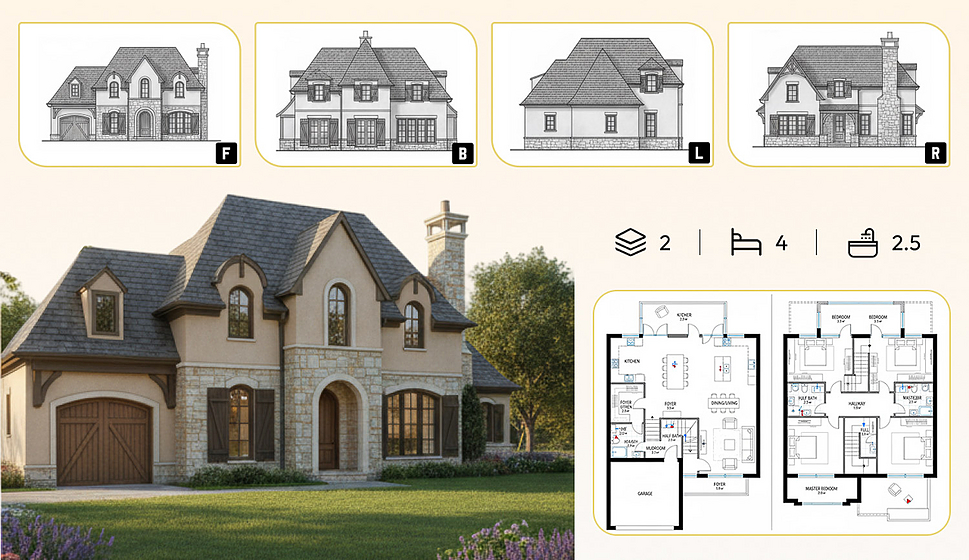
This guide covers a workflow that moves from project parameters to generated floor plans, 3D perspective views, exterior design exploration, and site context visualization, using AI tools in place of preliminary CAD and rendering work.
This guide covers a workflow that moves from project parameters to generated floor plans, 3D perspective views, exterior design exploration, and site context visualization, using AI tools in place of preliminary CAD and rendering work.
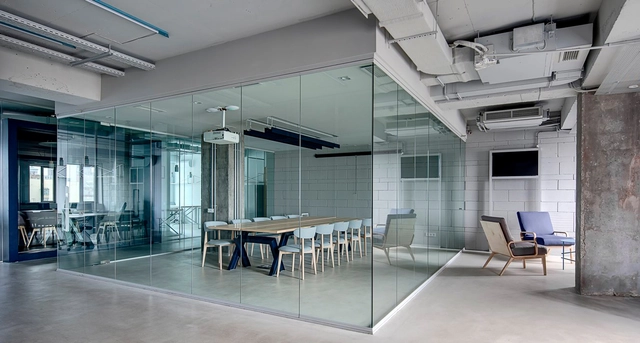
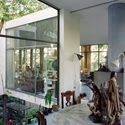
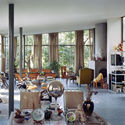
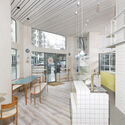
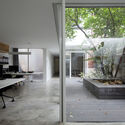
In the context of contemporary design, glass partitions have gained prominence in the world of interior design due to their versatility in harmoniously combining elegance, functionality, natural light, and spaciousness. One of their primary advantages is transparency, which allows for spatial division without obstructing natural light, offering a sense of openness and connectivity between areas. This is particularly beneficial in small spaces where light can make a significant difference in the interior atmosphere.
At the same time, construction methods are simplified by the clean and rapid installation of glass walls and doors, as well as their multiple mounting options, which adapt to structural conditions and construction sequencing. Moreover, while transparency is a key feature, glass partitions can also incorporate options to ensure privacy when necessary, utilizing various types of glass with digital printing, silkscreening, or satin finishes.
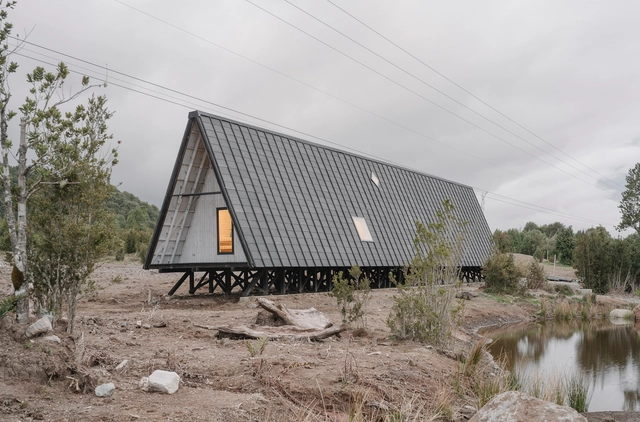
ArchDaily's curatorial team strives every day to present our readers with the most significant, inspiring, and innovative projects, while also ensuring a diverse representation of global architecture.
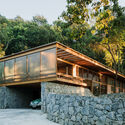
As part of our 2023 Year in Review retrospective on ArchDaily, we look back and reflect on what was published over the past year. Residential architecture remains one of our most visited categories of built projects, generating immense interest among our users worldwide. With this in mind, we have selected the 50 best houses published this year on ArchDaily en Español, offering a brief showcase of the form and character of residential architecture across the Spanish-speaking world.
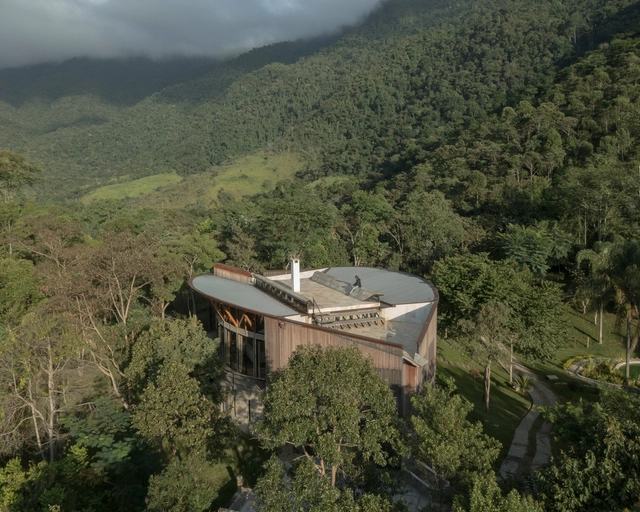
ArchDaily's curation team strives daily to present our readers with the most significant, inspiring, and innovative projects, expanding the knowledge and repertoire of students and architects worldwide. From small renovations to projects designed from scratch, residential architecture is a constant in the daily practice of most firms. Year after year, we see the deep interest this typology sparks: it remains the most popular category among our audience.

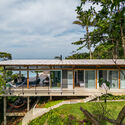
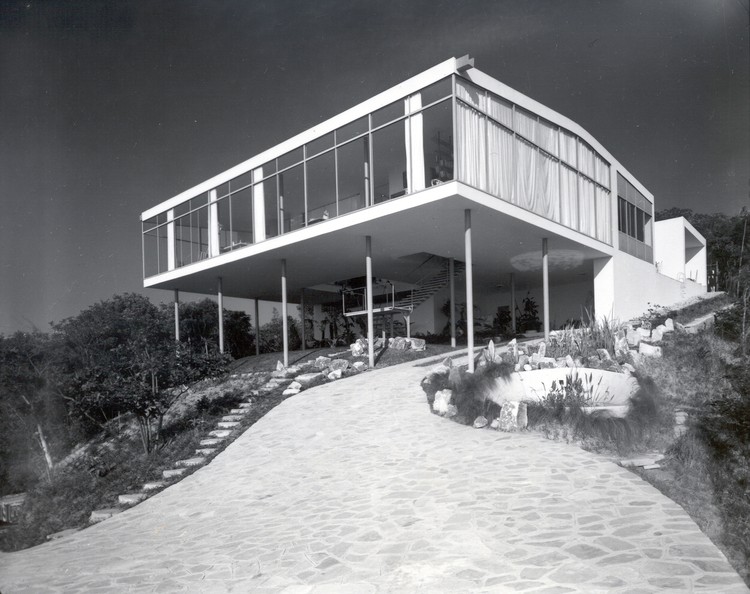
When we think of the residential designs of Italian architect Lina Bo Bardi, the immediate image that comes to mind is her private residence in São Paulo (1951)—more precisely, the image of its glazed social pavilion, captured from a low angle. This perspective further dramatizes the contrasting relationship between that light, suspended orthogonal volume and the steep natural slope of the terrain.
I would venture to say that no other work of Brazilian architecture is as well-known from a single photograph. This image, which has illustrated nearly every publication on the architect since the building's completion nearly 70 years ago, and which indeed justifies its famous moniker, the “Glass House,” exposes the unequivocal modern condition of this project—or, at least, the portion revealed by the angle of this celebrated photograph: a transparent, prismatic volume suspended on slender pillars set back from the edge of the floor slab and, consequently, free-standing within the elevated space.

Nicolás Valencia speaks with Chilean architects Matías González Ulloa and Sofía Carrión Bobadilla, creators of Área Verde and leaders of Arquitectura Maulina, a digital platform focused on the architecture, territory, and reflections of Chile's inspiring Maule region.
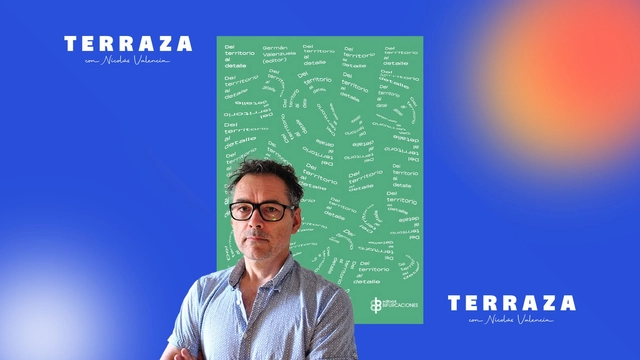
Nicolás Valencia speaks with Chilean architect Germán Valenzuela about the book Del territorio al detalle (Bifurcaciones), a selection of the most interesting contemporary architects in Latin America, from Al Borde to Rozana Montiel, including Mauricio Rocha, Inés Moisset, and Solano Benítez.
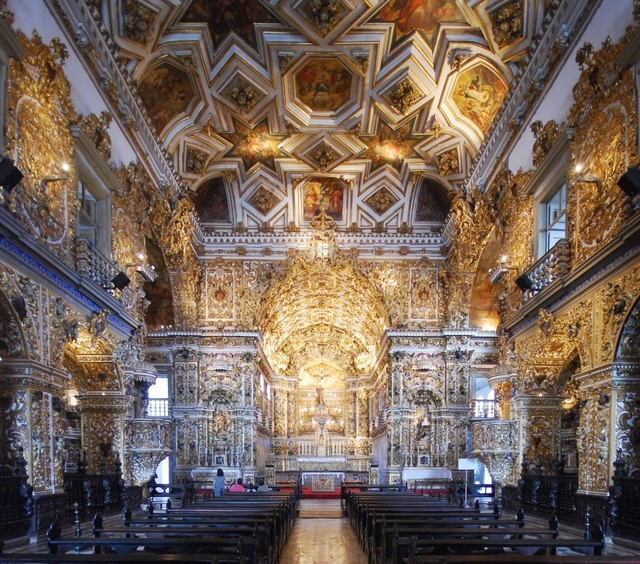
What happened at the conventual Church of Saint Francis of Assis in Salvador is yet another sad chapter in a process afflicting Brazilian cultural heritage, which has intensified in recent years with the fires at the National Museum in Rio de Janeiro, the Cinemateca, and the Museum of the Portuguese Language in São Paulo. Consequently, over the last few days, there has been intense debate regarding who is to "blame" for what occurred in Salvador, or who bore the "responsibility" to prevent this disaster, which also claimed the life of a young tourist: whether the church administrators, IPHAN (the National Institute of Historical and Artistic Heritage), or local cultural and heritage agencies. This is a difficult and indeed important issue to discuss, demanding careful investigation into the causes of the incident. Yet the debate must be broader, aimed above all at considering how we can prevent such events from happening: greater investment, greater appreciation of artistic and architectural heritage, stricter and more effective safety protocols, preventive conservation, and heritage education. In the days following the incident in Salvador, numerous colonial-period buildings were closed across the country under the claim that they, too, might collapse. Our heritage demands attention—in many cases, urgently.
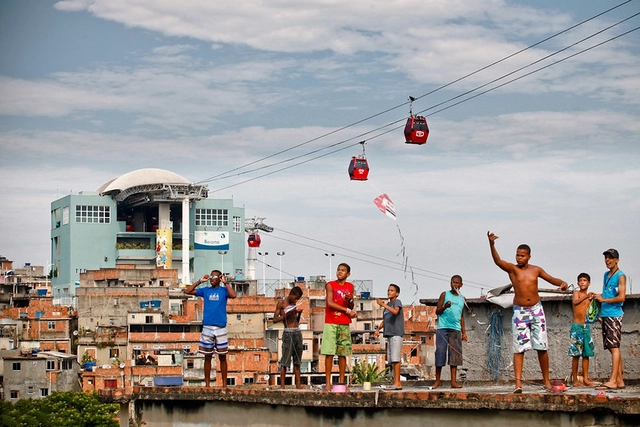
"There is coconut candy and peteca
Let the child play
Today is a day of celebration
The ibejada comes to bless."
— Song for the erês
Streets come alive when they belong to the erês and die when they belong to cars. I dream of a project that I intend to put into practice when time allows: writing a manual of the fabulous rules of hopscotch, carniça, button football, preguinho, capture the flag, ring-around-the-rosy, lenço-atrás, slope soccer, dodgeball, and the variations of marbles. The title is already set: "The Loving Ecology of Street Games."
In July of this year, UNESCO designated the Roberto Burle Marx Site as a World Heritage site. As a result, Brazil now has 23 sites and practices inscribed on the World Heritage List, which brings together properties, ensembles, and practices of tangible and intangible value.
According to UNESCO, the 23 listed properties and practices in Brazil can be divided into Cultural Heritage—"composed of monuments, groups of buildings, or sites that have outstanding universal historical, aesthetic, archaeological, scientific, ethnological, or anthropological value"—and Natural Heritage—"outstanding physical, biological, and geological formations, habitats of threatened animal and plant species, and areas of outstanding scientific, conservation, or aesthetic value."

On August 17, Brazil celebrated National Heritage Day, 21 days after a protest set fire to the statue of Bandeirante Borba Gato in the southern zone of São Paulo. This contradiction opens up an important discussion: how are we constructing memory in our cities? What are we valuing as our country's heritage?
The term historical and cultural heritage refers to the tangible and intangible creations of a given culture within society. What defines a cultural asset as heritage is its historical and social relevance, which can be linked to collective and individual memory, as it is through these memories that we understand the past. From an architectural perspective, the term heritage is constantly associated with historic buildings that typically embody Catholic religious values or the bourgeois lifestyle of the elite.
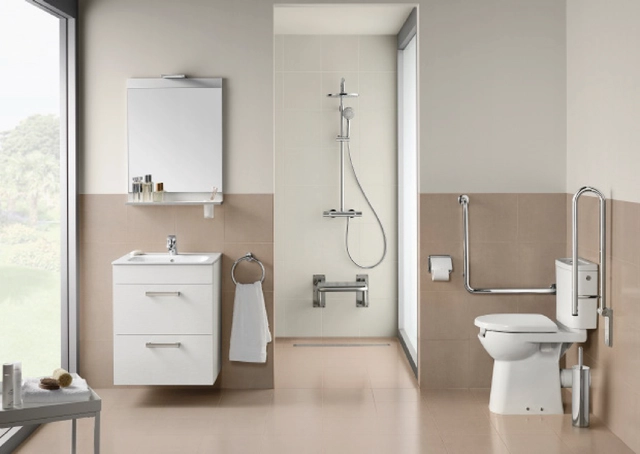
Well-designed environments are essential to reduce the risk of accidents and response times in the event of a fall. For architects, designing safe cities and homes is crucial, especially in light of global demographic trends. Developing an architectural project through thoughtful design and correct product specification is, first and foremost, an act of care and concern for our older relatives and fellow citizens. It is essential to ask, "For whom?" and "What are their needs?" so that, from there, we can think about how to improve their quality of life.
This is a conscious invitation for architecture to play an active role in today's society—a positive shift that delivers both design and quality of life.

“From the problem of locomotion derive all other problems of urbanization.” It was in 1882 that the Spanish urbanist Arturo Soria y Mata made this assertion, and in response to it, created and implemented the concept of the linear city. Based on a functionalist doctrine, this city model abandons traditional structures such as squares and blocks, subordinating the design to circulation paths in its most rational spatial configuration: the straight line.

Planning urban mobility goes beyond isolated projects like bike lanes or street restructuring (which, though extremely important, are not enough). A city with high-quality mobility must enable its population to make the necessary trips to carry out their activities efficiently, safely, and pleasantly. However, mobility planning must address the needs of the city's diverse user base.
Expanding pedestrian and bicycle travel is highly desirable for several reasons: health (an active population is healthier); individual financial benefits (active travel is cheaper); and, most importantly, environmental concerns and spatial efficiency. Active modes of transportation contribute to the quality of public space (an area with pedestrians and cyclists is livelier and more pleasant).
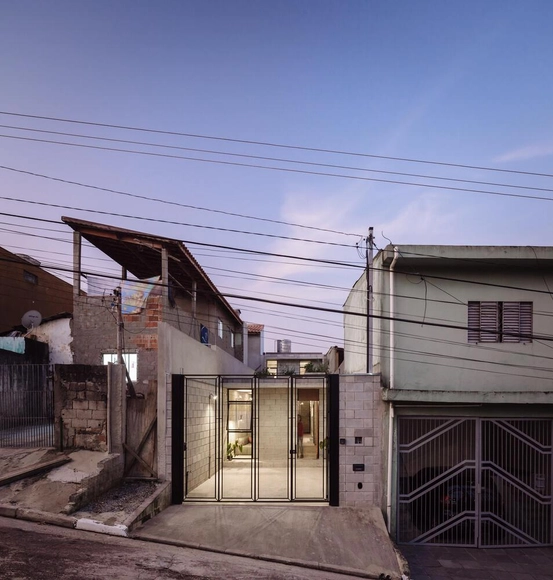
Architecture is realized through design. Professionals who face a blank canvas and fill it with lines that express desire, technique, and beauty know the many challenges inherent in this task. The act of designing involves a complex web of references, knowledge, and culture. Therefore, when we share a project, we know that more than simply showcasing a building, we are telling a story and inspiring the public. In its eleven years of existence, ArchDaily Brasil has published more than 23,000 projects, recognizing the importance of each one and how they help transform visions through what they propose—influencing not only local architecture but also bringing this discussion and inventiveness to the entire world.
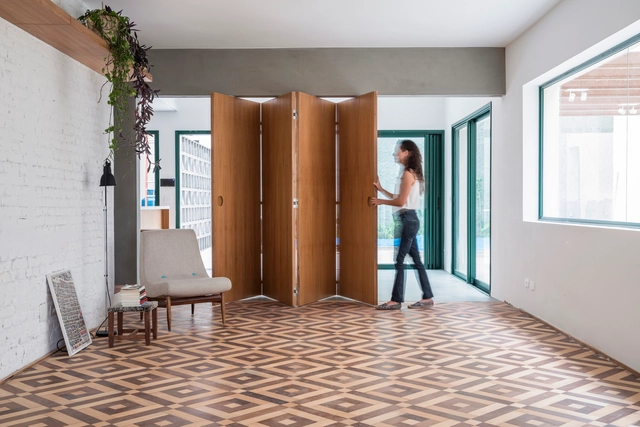
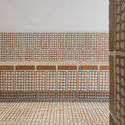
The choice of finishes is crucial to a project's overall quality, both for its aesthetic impact and its budget implications. Often, designers opt for modular flooring—materials installed in individual pieces—which requires a clear layout logic. This article explores different flooring patterns and how they can be applied to various materials.

Forecasts for the future are alarming—at least, that is what the recently published 2021 IPCC report from the Intergovernmental Panel on Climate Change (a UN body) shows. According to the document, human-induced climate change is irrefutable and will worsen in the coming decades without concerted efforts to reverse the trend, warning that warming of 1.5°C to 2°C will be surpassed in the very near future.

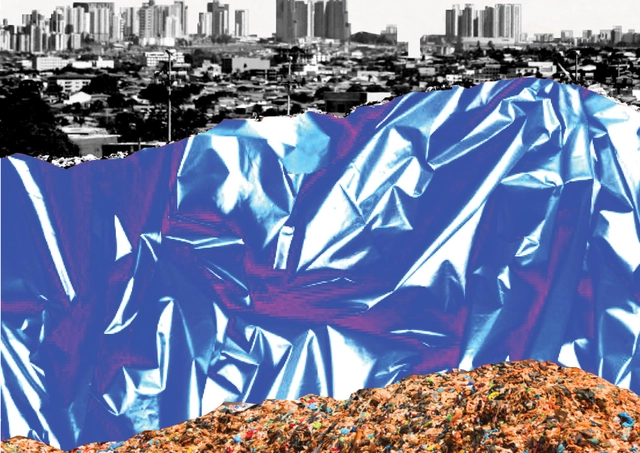
We have long been accustomed to environmental education campaigns—indeed, more recent generations have even had school lessons on the subject. The concept is simple and thoroughly drilled into our minds: Reduce, Reuse, and Recycle. Yet, for some reason, most people still fail to follow the straightforward recommendation of sorting the waste we discard daily: organics (which can be repurposed as compost), dry recyclables, and finally, refuse (non-recyclable waste) that inevitably ends up directly in landfills.

When a portion of the street is dedicated to parking, a decision is made to privatize one of the city's most valuable assets. From bike lanes and dedicated bus corridors to wider sidewalks, parklets, or even mixed-traffic lanes, the range of uses more beneficial to the public is vast. Now more than ever, we must rethink mobility for the sake of more prosperous and inclusive cities. Charging for metered parking is an excellent place to start.
Public transit, cycling, and walking are the most sustainable options for urban mobility. Yet, while bus systems languish amid a lack of funding and falling ridership, and cyclists and pedestrians face precarious infrastructure, cities invest substantial resources in road maintenance—and still reserve a significant portion for drivers to store a private asset.
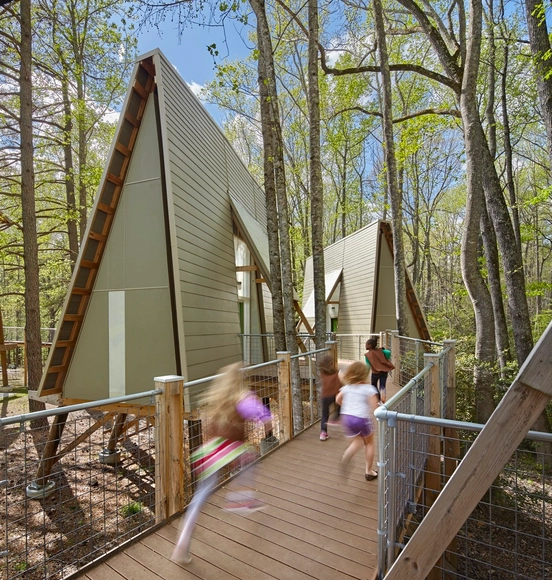
On September 21, the world celebrates Arbor Day, a date aimed at raising awareness about environmental conservation. During childhood, we establish relationships with nature that become deeply rooted in our imagination, eventually evolving to influence architectural design. We have selected 22 projects of various uses that draw inspiration from our relationship with nature and this shared imagination.
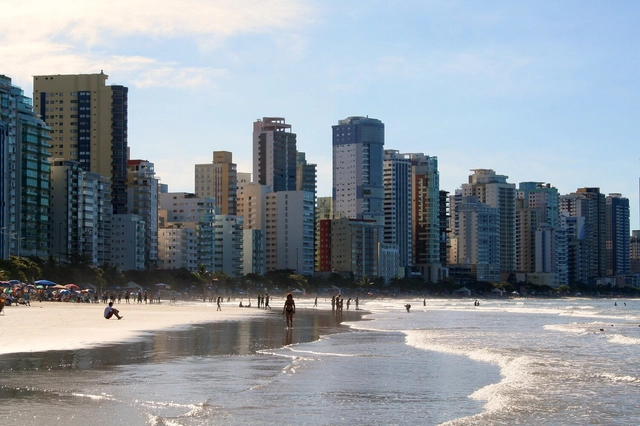
What do you think about building more highways to reduce traffic congestion? If you follow the debate on urban policy, you probably already have the answer on the tip of your tongue: building more lanes doesn't improve traffic! The more highways, the more cars!
Building roads encourages more people to drive. With more paved lanes at their disposal, more people are willing to swap public transit for the convenience of a personal car. Residents might seek housing further away, assuming they can quickly drive to work.
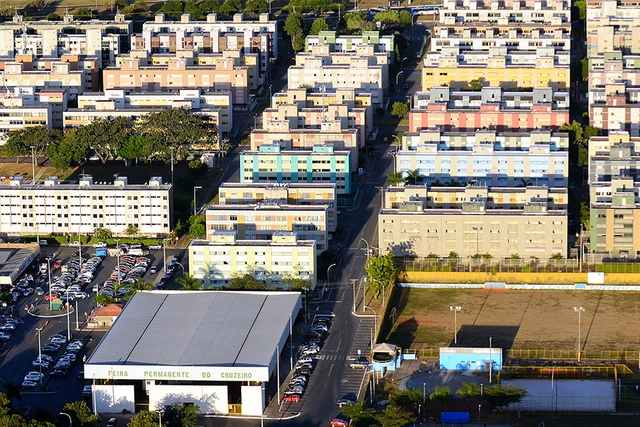
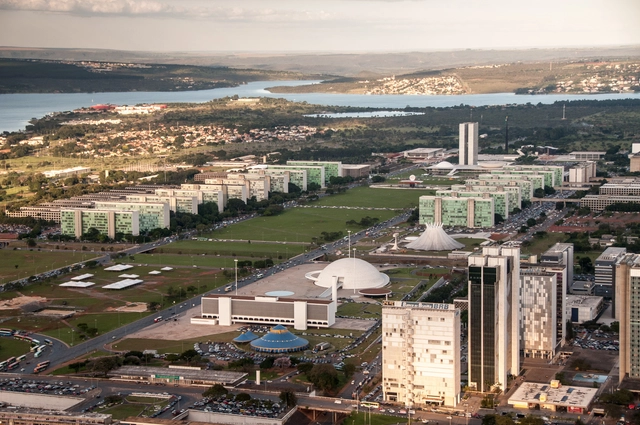
Over 60 years ago, Brasília emerged from the Brazilian interior. Developed in a desolate cerrado between 1956 and 1960, the city that replaced Rio de Janeiro as the nation's capital was a joint creation of urban planner Lúcio Costa and architect Oscar Niemeyer.
With its winged shape, Brasília became a powerful symbol, representing one of the purest embodiments of the hope, splendor, and ingenuity of 20th-century architecture.
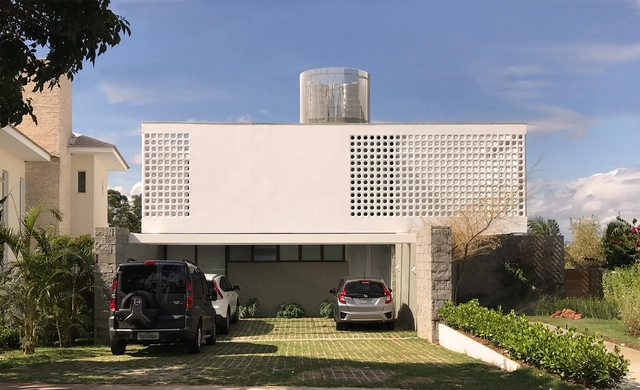
Water tanks are vital components of any building due to their role in the health, safety, and comfort of occupants. Their primary function is to guarantee supply regardless of temporary municipal water cuts, making them increasingly essential during times of water crises.
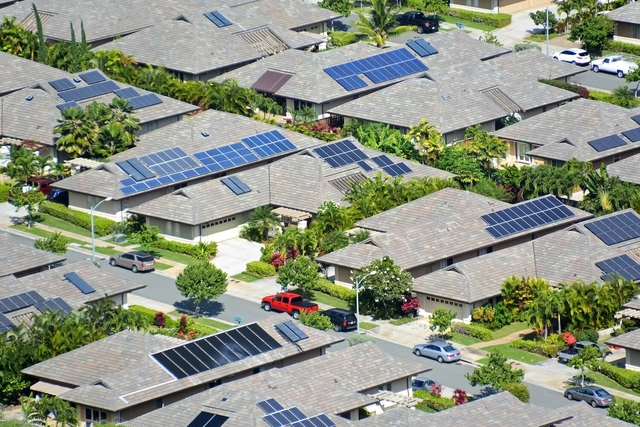
The 2021 Intergovernmental Panel on Climate Change (IPCC) report left many of us wondering whether the world can indeed keep global warming below 1.5°C, the threshold scientists consider safe to avoid the most dangerous impacts of climate change. New research from WRI and Climate Analytics shows that G20 countries, which account for about 75% of global greenhouse gas emissions, can steer the world toward this goal – if they significantly increase their ambition.
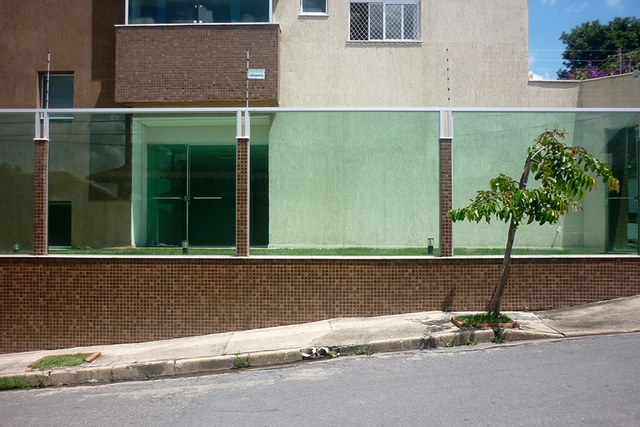
Walls are one of the main problems in our cities. The ultimate physical manifestation of division, they strip away the sense of community on our streets, turning a walk down the sidewalk into an empty, monotonous, and insecure experience. "Eyes on the street" are essential for urban life, particularly in a society as violent as Brazil's.
Why do our cities have so many walls? The real estate sector is usually blamed—the perpetual villain for those who confuse cause and effect. In reality, however, even older homes rely on them.