Colonia Roma, a neighborhood in Mexico City, is well known among locals for its art galleries, restaurants, bookstores and museums - it is a hotspot of contemporary art and culture. However, this cultural tradition actually dates back to the Porfirian Era in the early twentieth century. The area was a way to present Mexico City as a modern city by creating the first colony, along with Colonia Condesa, with all basic services available to the residents. Drawn with Parisian boulevards and tree-lined streets, Roma is an exemplar of art nouveau architecture, eclectic and French-ified – an attractive area that immediately led to the arrival of wealthy families.
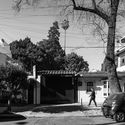
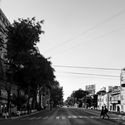
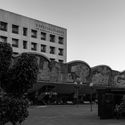
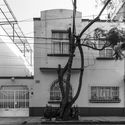

With its easy-to-navigate perpendicular route, Roma was for a long time a reference of good architecture inhabited by a wealthy class. Its streets, which bear the names of cities and states of Mexico, mark its limits: Chapultepec to the North, Coahuila to the South, Cuauhtémoc to the East, Insurgentes Avenue and Veracruz to the West. However, it was later divided to the south at Rio de la Piedad Street (today Viaducto), forming what we know today as Colonia Roma Sur.