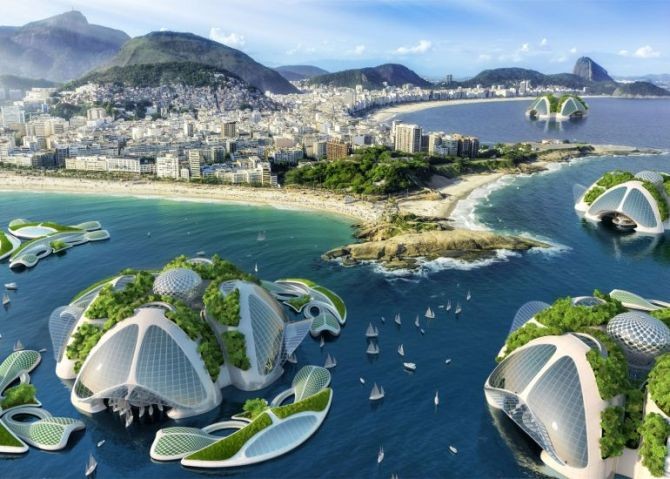
Migration as a result of changing climate has already begun. And while this poses enormous challenges for governments - particularly at a global moment that seems indisposed towards immigration and immigrants - there is also the concern that heritage will inevitably be lost. In places like Scotland, rising sea levels have put ancient sites at risk; the same is the case in island nations in the Pacific. As mounting environmental risks become more inevitable day by day, cities around the world are turning to more resilient forms of architecture and urban planning to combat both short term shocks and longer term pressures as a means of ensuring their future.



The effects of global climate change are far-reaching and invasive to almost every aspect of human life. Research indicates that human health, economic vitality, agriculture and food production, housing and infrastructure, and political stability will all be negatively affected by climate change. However, the intensity of the effects of climate change are geographically determined and disproportionately felt in undeveloped versus developed parts of the world.