




-
Architects: Ingarden & Ewý Architects
- Area: 2675 m²
- Year: 2015
-
Photographs:Krzysztof Ingarden
-
Architectural Design: Ingarden & Ewý Architekci
-
Structural Engineer: GSBK Biuro Konstrukcyjne, Mariusz Szefer, Samsoor Shaheed, Przemysław Ruchała
-
Electrical Installations: Hamel Biuro Projektowe, Insap, Arkadiusz Milka, Tomasz Żuk, Stanisław Hamerski, Piotr Kmietowicz, Bogdan Milka, Gabriel Barut
-
Landscaping Design: Land-Arch, Karolina Bober, Małgorzata Tujko

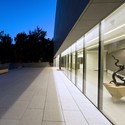
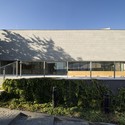
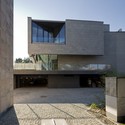
Text description provided by the architects. The year 2015 marks twenty-eight years since the publication of Tygodnik Powszechny magazine’s interview in which Andrzej Wajda announced his intention to create a Museum of Japanese Art and Technology in Kraków – a permanent venue for exhibiting Feliks ‘Manggha’ Jasieński’s collection of Japanese art. In 1994, during the opening of the new building, nobody would have thought that the new facility would initiate a whole series of the artist’s ideas instigating the creation of new architecture in Krakow, along with new cultural and educational institutions. Following that project, which was unprecedented in every possible way, more were launched on Wajda’s inspiration: the Tea Pavilion with a garden, the Japanese Language School, the Wyspiański 2000 Pavilion, and now the most recent development – an exhibition annex to the Manggha Museum called Europe–Far East Gallery.


