

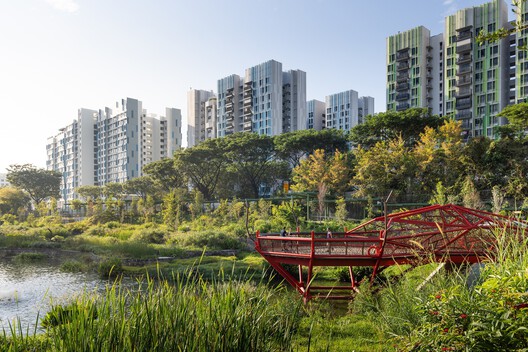
Biodiversity, defined by the World Wide Fund for Nature (WWF) as the different kinds of life found in an area, is in a state of crisis all across the world, with declines in the numbers of organisms and many species declared as at risk of extinction. All types are affected, from plants and fungi to large mammals, and there is a clear link to human activity being the cause. Although farming methods and climate change due to greenhouse gases play a major role, cities and buildings can play a small but important role in countering this decline.



A research paper published in 2025 in Nature aggregated over 2,000 previous studies to give a comprehensive picture of biodiversity on a global level. Although not unexpected, the outcome was alarming. It found that, on average, areas affected directly by humans had a reduction in biodiversity by 20% compared to areas untouched. Five drivers of decline include habitat loss, climate change, invasive species, pollution, and direct exploitation such as overfishing. Currently, 1.2 million species are considered to be under threat, with animal populations declining by 69% since 1970.


