

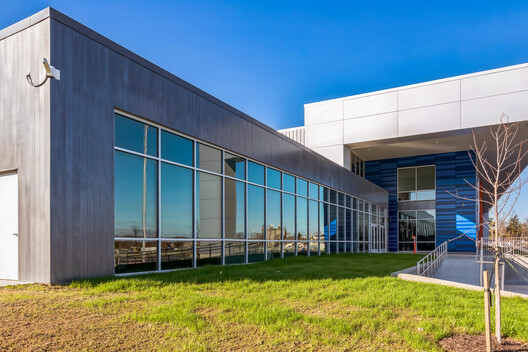
For architects and specifiers, selecting the right cladding system is both a technical and creative act, connecting material science with architectural intent. More than simple visual envelopes, façades today are high-performance systems that balance protection, insulation, and expression. As the first barrier between exterior and interior, the right cladding system can define how a building behaves and ages over time, affecting its thermal comfort, acoustic performance, fire safety, and overall durability.
Among the most commonly used façade materials are wood, metal sheets, composites, and aluminum systems. Within this range, single-skin metal panels and extruded aluminum panels are particularly notable for their blend of strength, precision, and architectural appeal. While both benefit from aluminum's inherent lightness and corrosion resistance, they differ significantly in structural logic, performance characteristics, and ideal applications. Companies such as Parallel Architectural Products—specialized in extruded aluminum cladding systems and architectural finishes—have played an important role in advancing these technologies, combining precision engineering, aesthetic flexibility, and local manufacturing.
Single-Skin Metal Panels: Lightweight and Efficient
Single-skin panels are composed of thin metal sheets, usually aluminum or galvanized steel, fastened directly to a substructure. Their light weight facilitates transport, cutting, and installation, while their flat geometry allows for broad, continuous surfaces with minimal visual interruption. These systems offer quick installation, a minimal substructure, and cost efficiency. However, their reduced thickness provides less structural rigidity, making them more prone to surface deformation (oil-canning) and offering limited thermal and acoustic performance unless combined with additional insulation layers. In some cases, structural reinforcement may be required for larger spans or high-wind zones.
For these reasons, single-skin panels are best suited for corporate, commercial, or temporary façades where efficiency and construction speed are priorities. When detailed precisely and executed with care, these systems reveal their full potential in lightweight, economical, and visually consistent façades capable of updating existing buildings or composing extensive surfaces with minimal technical complexity.
Extruded Aluminum Panels: Precision, Strength, and Design Control
Unlike rolled metal sheets, extruded aluminum panels are made from marine-grade aluminum alloy and air-cooled to ensure higher density, strength, and dimensional stability. The material is heated and pushed through precision dies, producing rigid, consistent profiles that retain their shape even under thermal variations or in harsh environments.
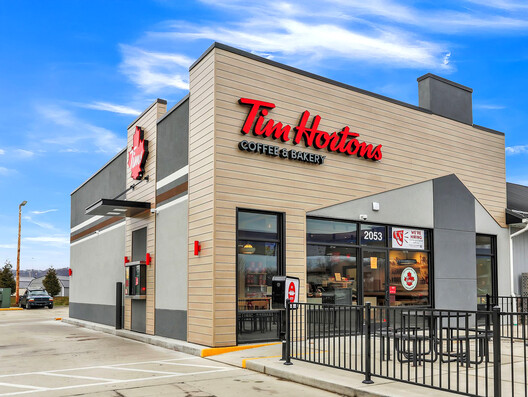
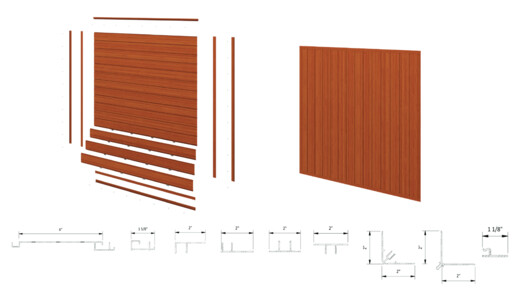
This process provides exceptional performance under demanding conditions such as coastal humidity and urban pollution, making it ideal for projects that require long-term durability and precision. All panels use an interlocking clip system that allows bidirectional installation (top-down or bottom-up), simplifying both assembly and maintenance. The adjustable 3/8-inch reveal offers aesthetic flexibility, allowing for either a seamless or expressed-joint appearance without changing the product code.
Panels are finished with a high-performance AAMA 2604 powder coating, ensuring resistance to UV radiation, corrosion, and fading, even in salty or humid environments. The system is available in widths of 4", 6", 8", and 12"; the 12" option covers more surface area per panel, reducing material waste, cost, and installation time. In addition, Parallel offers over 50 finish options, including solid colors, metallic textures, and woodgrain patterns—with the possibility of custom finishes upon request.
Case Studies: Performance and Expression Across Scales
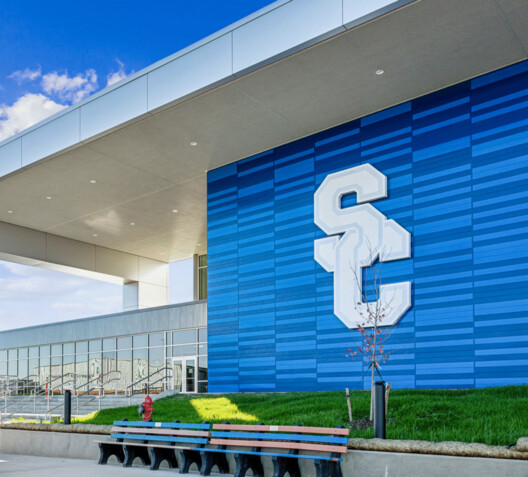
At Silver Creek High School (Indiana, USA), Parallel's extruded aluminum system was used to create a vibrant, durable, and low-maintenance façade. The project demonstrates how extruded aluminum can meet the demands of high-traffic environments by combining durability with strong visual impact. The bidirectional installation simplified construction and reduced assembly time, while the AAMA 2604 powder coating ensured long-term color and gloss stability under intense sun exposure. A custom metallic gray finish was also incorporated to complement the bright blue tones.
At Parc Mosaic Apartments (Colorado, USA), the original composite cladding was replaced with 6-inch Parallel aluminum panels in a woodgrain finish, preserving the original appearance of the façade. The intervention improved durability and reduced maintenance costs while creating a more natural and contemporary look aligned with the building's residential character. The result is a façade that combines the warmth of wood with the performance of metal, balancing technical precision and sensory appeal.
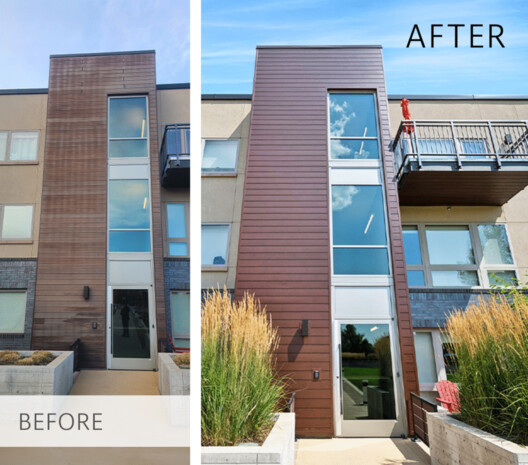
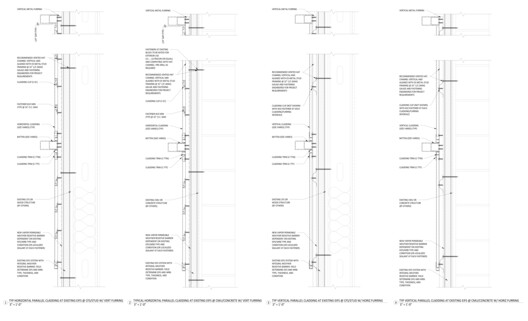
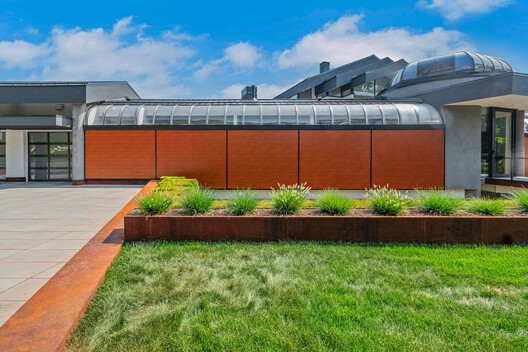
In the Luxury Michigan Home, a high-end single-family residence, Parallel's extruded aluminum panels were combined with glass and wood. The choice emphasized contrast between surfaces and textures while ensuring weather resistance and dimensional stability in a climate prone to significant temperature variations.
Performance as Architectural Language
Choosing between single-skin and extruded aluminum panels goes far beyond a simple cost comparison. It's about understanding how material, manufacturing process, and installation method relate to a building's function, context, and visual narrative. By integrating technical performance and formal expression, systems like those from Parallel Architectural Products show that cladding can be a design tool—not just a layer of protection—capable of translating efficiency, durability, and aesthetics into surfaces that engage their surroundings and stand the test of time.
Whether designing a compact renovation or a large-scale public building, the choice of façade system shapes how architecture performs, feels, and endures. To learn more about how Parallel's extruded aluminum solutions are applied in real projects, visit Parallel Architectural Products' website.

