How to visualize architectural concepts in SketchUp using D5 Lite for faster design exploration.
How to visualize architectural concepts in SketchUp using D5 Lite for faster design exploration.

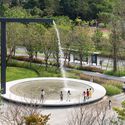
Integrating water into landscaping in unique and sustainable ways has become an increasingly relevant approach to recent projects. Proper use of this natural resource adds aesthetic value to green spaces and can also promote ecologically positive responses to the work. Looking for different perspectives and innovative solutions, we look for projects with different approaches that integrate water and landscape.
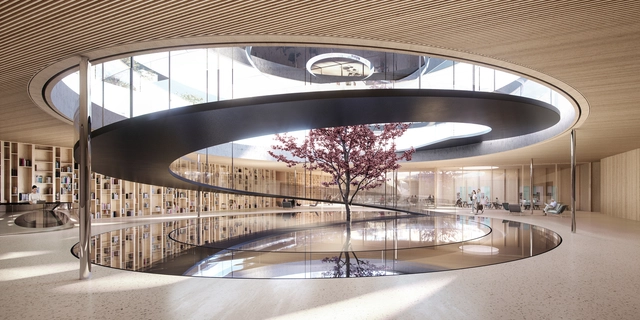
Public spaces are the beating heart of our cities. They act as the hubs of social and cultural activity where people congregate, interact, and escape the clamor of the city. These areas are crucial in determining a city's identity, character, and citizens' well-being and standard of living. Public spaces can define our communities and significantly impact how we live, work, and interact with one another through their architectural designs, facilities, and activities. Furthermore, they provide leisure, exercise, and recreation opportunities, allowing individuals to escape the confines of their daily routines and connect with nature.
This week's curated selection of Best Unbuilt Architecture highlights projects submitted by the ArchDaily community showcasing different proposals made to enhance public space. Ranging from reimagining central squares to placing massive land art in the urban epicenter, these public spaces enhance the quality of life for the city's locals. In Germany, the redesign of the entire Memorium Nürnberger Trials reimagines this as a place to come together, grounded in its history, while in Havana, the new Cuban Square reimagines the metaphor of unity in the city center. The design and accessibility of public spaces significantly impact our well-being and quality of life. Thoughtfully planned and inclusive spaces with seating, greenery, and pedestrian-friendly infrastructure can promote physical activity, mental health, and community engagement in a city.




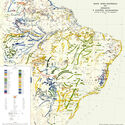
Earth is the title of Brazil's contribution to the Venice Architecture Biennale 2023, an exhibition curated by Gabriela de Matos and Paulo Tavares occupying the spaces of the Brazilian Pavilion at the Giardini. Divided into two galleries, the exhibition challenges the canons of modern architecture while seeking alternatives for a decolonized and decarbonized future in invisibilized ancestral narratives. Earth is the first Brazilian pavilion to be recognized with the highest award of the Venice Architecture Biennale, the Golden Lion.
In an effort to expand access to the content exhibited in Venice, we present here the texts and images of the first gallery, titled Decolonizing the Canon. The second gallery, Places of Origin, Archaeologies of the Future, can be viewed here. ArchDaily wishes to thank the Fundação Bienal de São Paulo, which generously provided the material from the Earth pavilion for this publication.
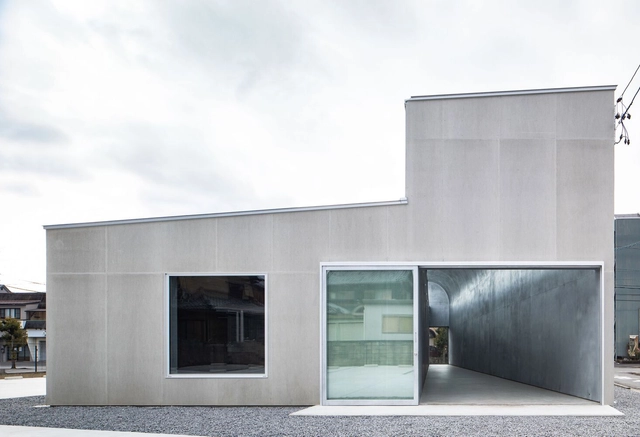

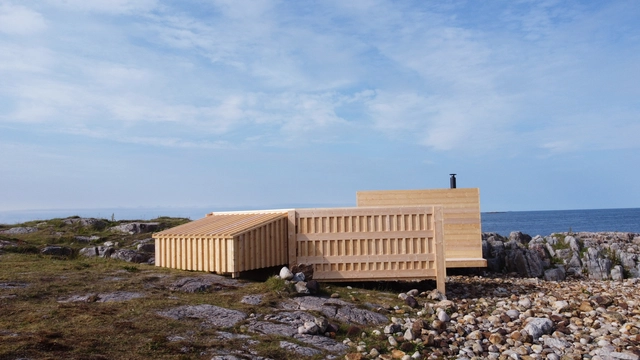


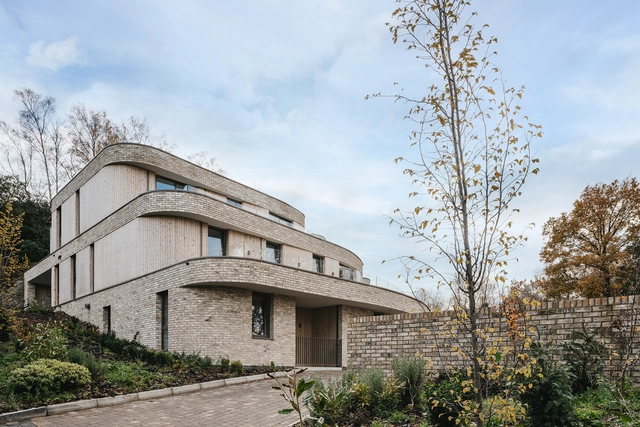
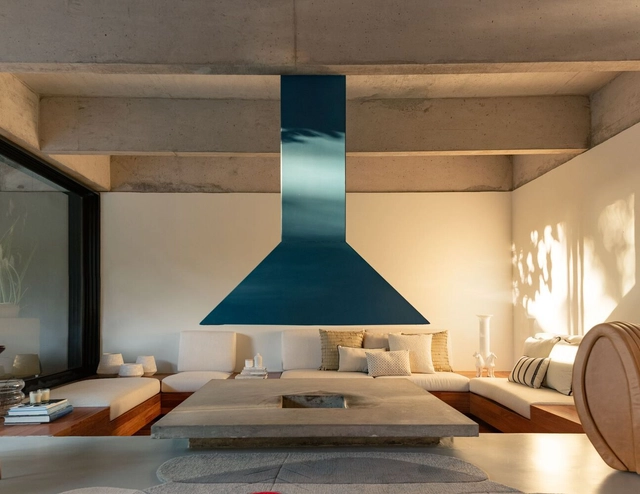
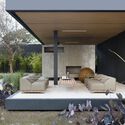
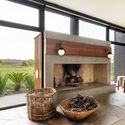
We are about to enter the coldest season of the year in the Southern Hemisphere: winter. When considering how to heat a home, one of the first solutions that comes to mind is the fireplace. After all, the fire brings warmth and provides a cozy gathering space. In addition, its design and placement can be key to the spatial composition of a room.
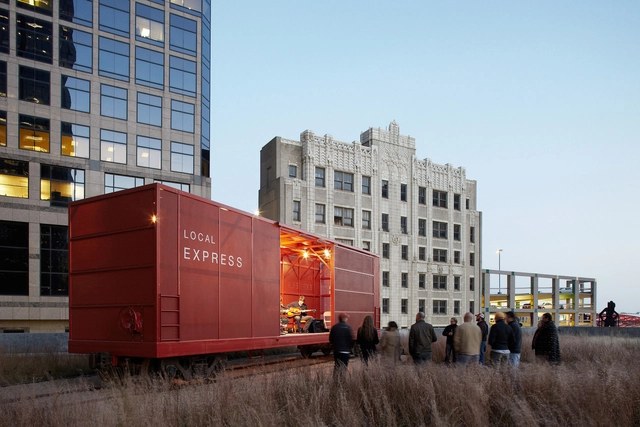
Almost 500,000 buildings have arrived at the Port of Los Angeles in 2021. Well- not exactly. Over 490,000 shipping containers have arrived, though. If there’s a design trend that has caught the world by storm over the past decade, it’s been the rise in transforming shipping containers into buildings as a form of architecture. But are shipping container buildings just a fad that was used to propel ideas about taking every day or is there more substance to creating giant Jenga-inspired structures?