How to visualize architectural concepts in SketchUp using D5 Lite for faster design exploration.
How to visualize architectural concepts in SketchUp using D5 Lite for faster design exploration.
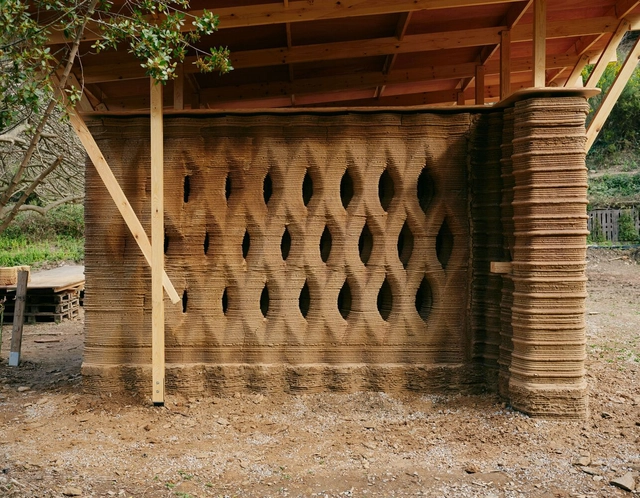
ArchDaily presented its monthly topic for July (Design Process) and wanted to open the discussion on how technology is being integrated into architectural practice. Although the discipline has been advancing for years in new fields such as artificial intelligence (AI), virtual reality (VR), parametric modeling, and BIM, alongside other cutting-edge tools, its implementation and systematization in everyday design processes remain slow.
Throughout the month, we held an open call to hear about our readers' experiences and learn from them—exploring together how the latest innovations transforming the profession are being applied. After reviewing a vast number of comments and opinions, it was surprising to find common ground regarding how we filter and update the technologies we use in our design processes. Read the main perspectives below.
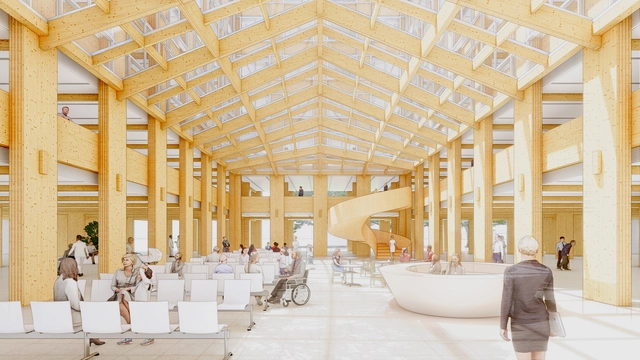
Shigeru Ban has announced the intention to collaborate with the municipality of Lviv to design an expansion of the Lviv hospital. As the largest hospital in Ukraine, this unit has witnessed an increase in the number of patients since the beginning of the war, leading to the need to increase the capacity of the institution. Shigeru Ban’s proposal uses cross-laminated wood and joints inspired by traditional wooden construction techniques to create a safe and welcoming environment for healing and recuperating.

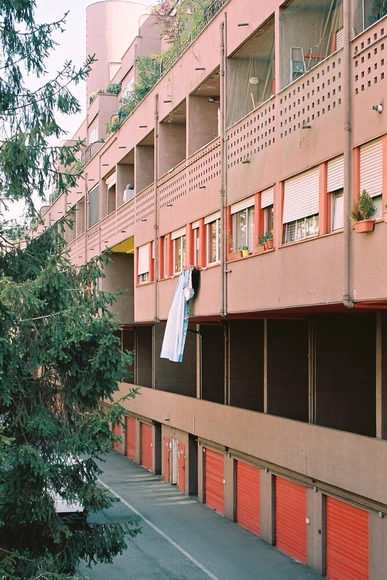
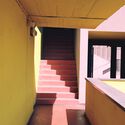
In the aftermath of the Second World War, a drastic housing shortage spread across Europe, and Milan was no exception. Various plans and solutions were conceived to address this crisis, outlining satellite communities for the city to accommodate between 50,000 and 130,000 residents each. The first of these communities began construction in 1946, just one year after the war's end: the Gallaratese project.
In late 1967, as the plan allowed for the private development of Gallaratese 2, the esteemed Studio Ayde, led by partner Carlo Aymonino, was assigned the project. Aymonino invited Aldo Rossi to contribute his architectural skill to the complex, leading to the realization of their distinct visions for an ideal microcosmic community. Together, these two Italian architects began a journey to shape a groundbreaking and historically significant housing icon for Milan. Captured through the lens of Kane Hulse, the building and it’s significance is revisited through this photo series.
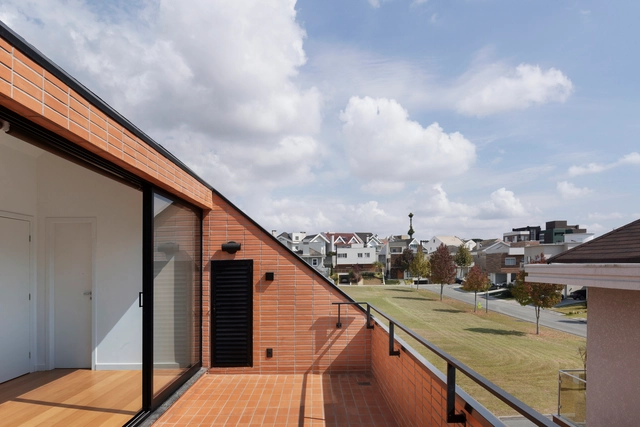
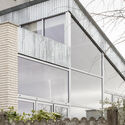
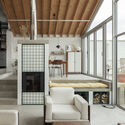
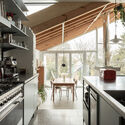
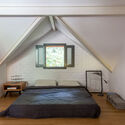
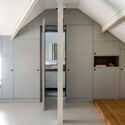
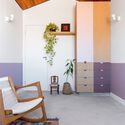
Attics are floors at the top of a house, close to the roof. Due to the roof slope angle, they usually have an inclined shape, which limits their space and makes them underutilized environments. However, despite this particularity, attics can have several uses in a project and convert into multifunctional spaces for residents.
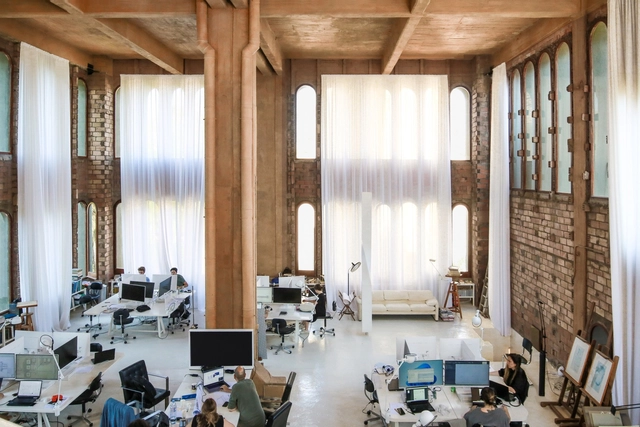
La Fábrica, an iconic project by Ricardo Bofill, stands as a testament to the transformative power of architecture. Located in the environs of Barcelona, this creation showcases the remarkable metamorphosis of an abandoned cement factory into a stunning architectural masterpiece.
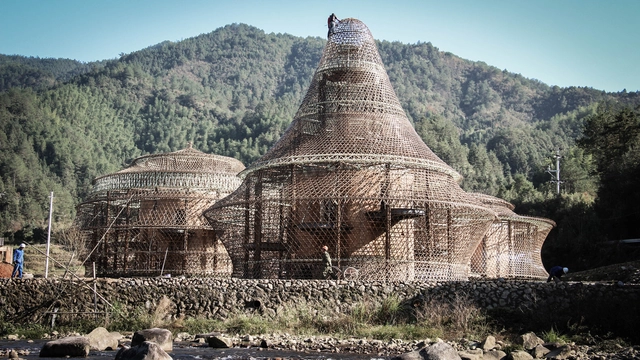
Contemporary architecture does not come from scratch. Today’s projects are based on a series of experiments that have occurred since humanity began to conceive living and coexistence spaces. An intrinsic connection between customs, traditions, local materials, and construction techniques gave rise to ancestral and vernacular architectures. The influence of each population's context and culture can be an inspiration for contemporary architects who, by looking to the past, can effectively respond to the future.
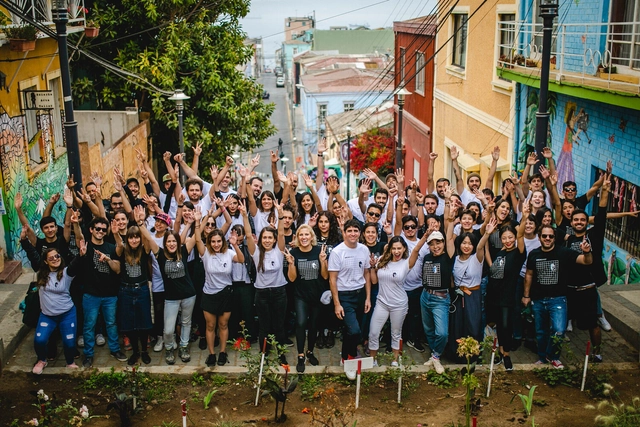
At our offices in Zurich, Berlin, Milan, Santiago de Chile, and Mexico City, DAAily platforms comprise a team of around 200 architects, designers, sales experts, communications specialists, and IT experts.
As inspiring and valuable curated platforms for the architecture and design community, Designboom, Architonic, and ArchDaily share combined online traffic of in excess of 270 million visits per year. Moreover, as one entity, DAAily platforms share a common mission: to empower everyone who makes architecture and design happen to create a better quality of life.


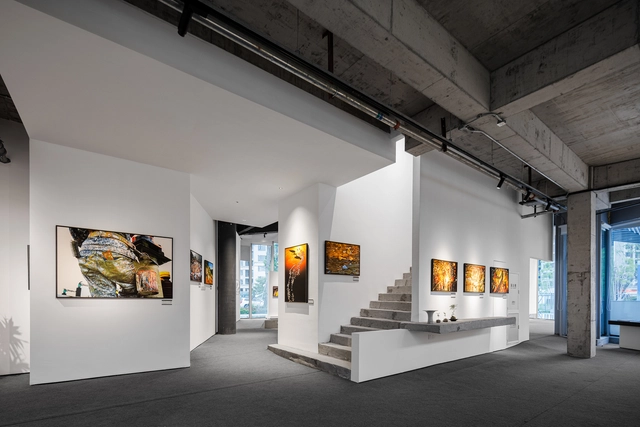


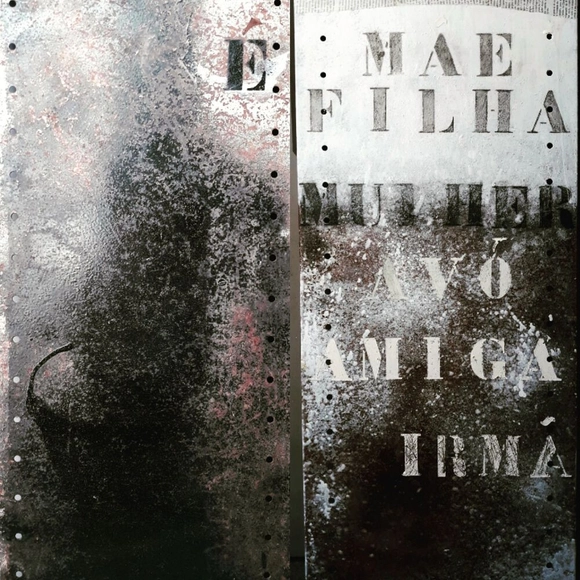
Many years ago, when living in Rio was nothing more than a dream, Susi Sielski Cantarino (an Argentine who is more "Carioca" than many born and raised in the city) discovered what she described as a "charming corner in Santa Teresa," then known as the Hotel dos Descasados. Four decades later, Sielski Cantarino returns to the space—now renovated and renamed Hotel Santa Teresa MGallery—not as a visitor, but as a guest artist. Her solo exhibition, "Connections," is open to the public through the end of September. Occupying the hotel lobby, the show stimulates and stirs the viewer's senses, and the pieces on display are available for purchase. Using diverse materials, including earth, bamboo, and even Swarovski crystals, the artist produces works ranging from leaves with transparent inscriptions to sculptures nearly two meters tall. Industrial steel shelves are transformed into objects of desire that honor the "Objet trouvé." Childhood linens, delicately worked with lace and pins, feature the face of the poet Virgínia Victorino, who, as a woman and a homosexual, was largely rejected by the hermetic Portuguese society of her time. All the works presented are the result of the artist's hundreds of experiences. SHALOSH (number 3 in Hebrew), for example, from 2008, was created three years after she won second prize at the Florence Biennale.