1. ArchDaily
  2. Post patrocinado

Post patrocinado: The Latest Architecture and News

Elevating Urban Living Through Rooftop Retreats and Innovative Access Solutions

Subscriber Access | 

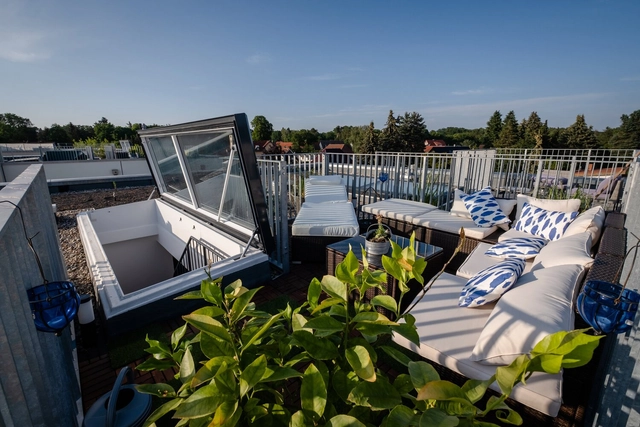
Humanity has inhabited cities for millennia and witnessed a shift to a predominantly urban global population since 2010. Throughout this time, it has repeatedly come up with creative solutions to ease the challenges of living in urban environments. The “fifth façade," as Le Corbusier proposed, is a yearning for serenity, greenery and space, and is currently experiencing a growth in popularity, with people transforming rooftops into serene sanctuaries as one way to achieve it. Especially in densely populated areas, the attraction of roof terraces is undeniable, offering a break from the frenetic pace of urban life and a deeper connection with nature.


However, access to these spaces requires care, especially when it breaks through the roof slab. This requires seamless integration with the space below, technology to enable water-tightness and visual connection, along with easy handling for opening and closing. Designed with functionality and aesthetics in mind, these access hatches can integrate seamlessly into the roofscape, offering convenient access, adding value to the property, increasing its appeal to potential buyers or tenants, and creating a symbiotic relationship between architecture and lifestyle, where innovation drives desirability.
What Does It Mean to Future-Proof a City, Landscape or Building with AI?

 | Sponsored Content

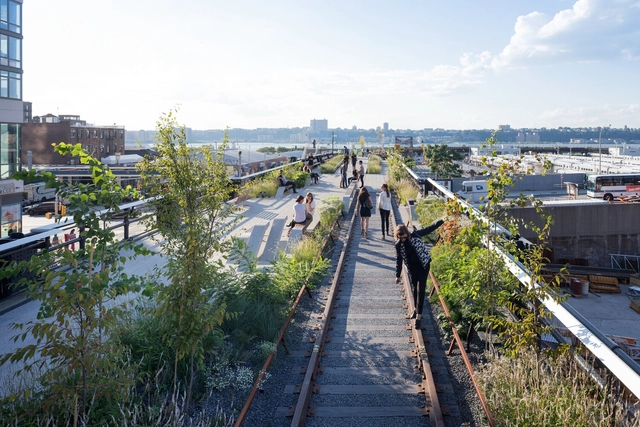
Cities concentrate opportunities and exchanges, culture and business, while, at the same time are a key contributor to climate change. They are highly complex organisms, with multiple actors involved, that bring to light underlying social interests and conflicts present in society. In 2007, the world's urban population surpassed the rural and this difference has been increasing ever since. According to the 2018 Revision of World Urbanization Prospects report, 55% of the world's current population lives in urban areas, rising to 68% by 2050. This will represent an increase of 2.5 billion people in urban areas, with almost 90% of this increase occurring in Asia and Africa. The Smart Sustainable Cities: Reconnaissance Study also points out that urban centers account for 67% of global energy demand, emit 70% of greenhouse gases and, on top of it all, buildings consume 40% of all energy worldwide. The prospect of a mostly urban world, along with the alarming onset of climate change, both raise challenges regarding living conditions in the coming decades and centuries, and all the implications that will accompany these changes.

How to Specify and Design Different Types of Railings

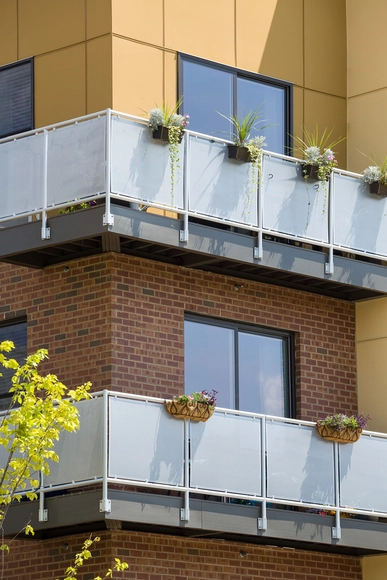
There is an unusual story involving railings during World War II. To meet the demand for ammunition, ships and vehicles for battle, various fences and railings in the city of London were removed for repurposing. The real fate of these pieces, however, is unclear: some say they ended up being dumped into the Thames river or became ballasts for ships, as they couldn't be recycled. The reason was that they were all made of cast iron at the time, making them difficult to reuse; unlike the large amount of materials and designs available today. Their functions, however, have not changed: railings provide protection to occupants and can be prominent elements in architecture. In this article, we explain how to specify and design different types of railings, according to the different materials available.