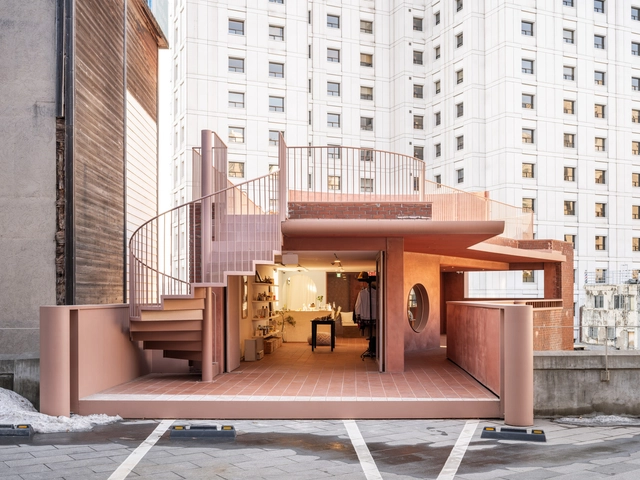
Renovation of A multi-cultural space.We renovated Goshiwon(share house) which was built with red bricks in the 1990s and located at the foot of Seoul Namsan Mountain. The place could remain as just the old past, but we upcycled the place into a complex cultural place coexisting with a cinema room, café, restaurant, and design shops. Architecture put efforts into making a cultural space that can be absorbed with the recent and the futural possibilities as he recorded the time inheritance of the existing building.
Due to the strategic position in which the volume is located, it is possible to free up more than half of the available land, where this summer house of only 35m2 finally ends up being placed.
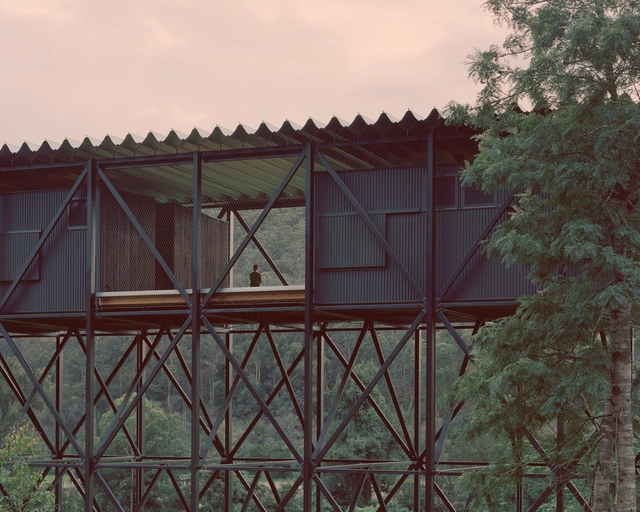
This is a pavilion without a name. It is a nameless pavilion; less than a structure, an infrastructure. It is an idiosyncratic place that refuses to be called in a single manner, with a single word. A place that even declines to be called a pavilion (since it would remind those colorful insects who jump from one flower to another, resting in balance for a fleeting moment).
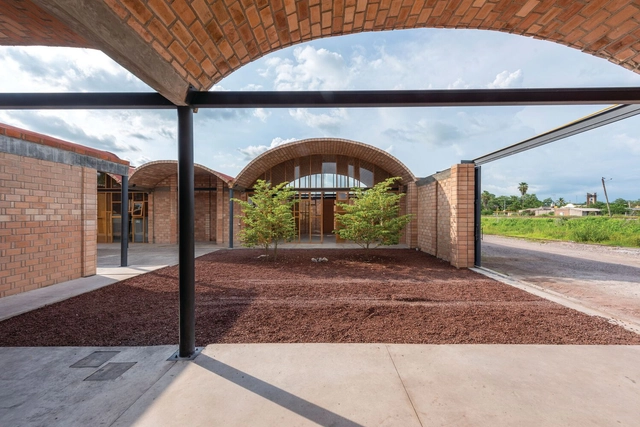
The Community Development Center project aims to be a place to attend the necessities of a high marginated area by offering educational, legal and medical services, and a community dining room; it also could be used as a distribution point for food and supplies in case of natural disasters. The project is organized in three parallel volumes in an East-West orientation to reduce sun exposition directly on the facades and the heat gain it implies, and it is distributed in one single level to guarantee universal accessibility.
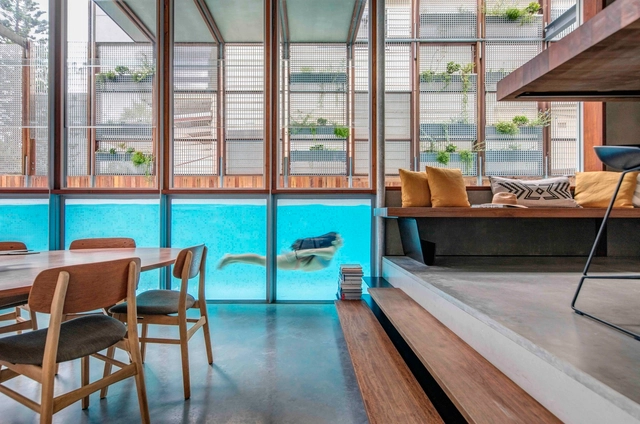
Within architecture, water evokes sentiments of calmness and wellbeing. The element has influenced design through its dynamic and fluid nature. With recent technological advances, architects have created some of the most strategic, innovative, and unexpected intersections of design and H2O.
https://www.archdaily.com/916664/indoor-pools-bringing-tranquility-to-interiorsMartita Vial della Maggiora
This recently completed family home and the studio is situated within the Miltons, part of the Highgate Conservation area in the London Borough of Haringey. The 200m2 site, accessible via a narrow passageway, was previously an old garage and rear garden of an adjoining house.
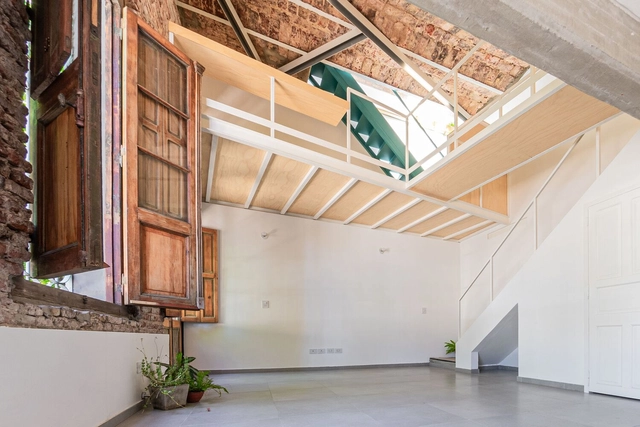
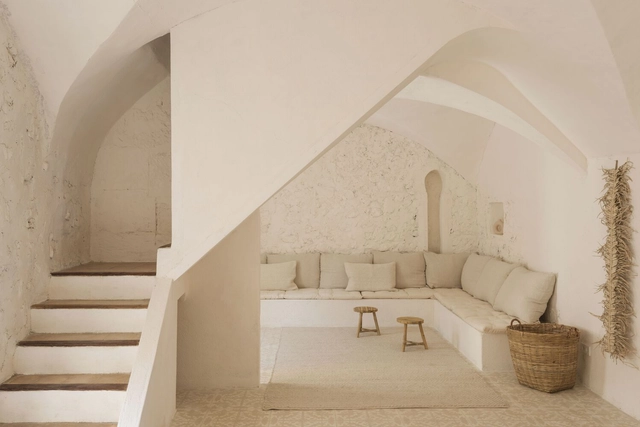
The Casa Pasco project begins with an anonymous and unknown history enclosure. Only a container composed of four walls, a vaulted roof, a blurred facade due to abandonment, and three large openings facing the street.
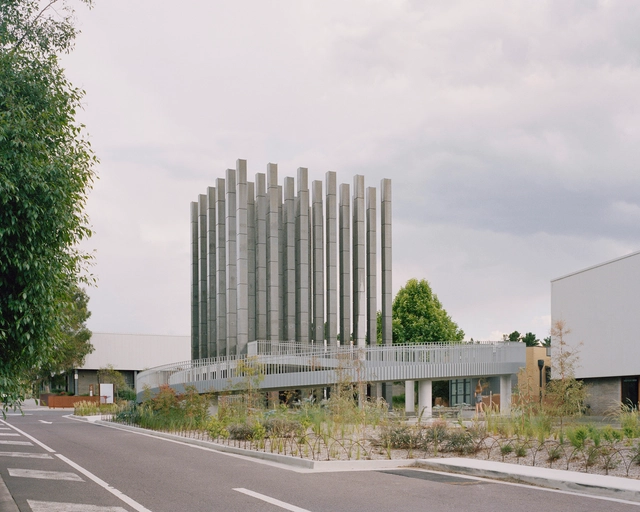
Purpose & Location - Bundanon is a centre for creative arts and education. Its purpose is to foster an appreciation for and understanding of landscape and art and to support research and celebrate art and ideas.
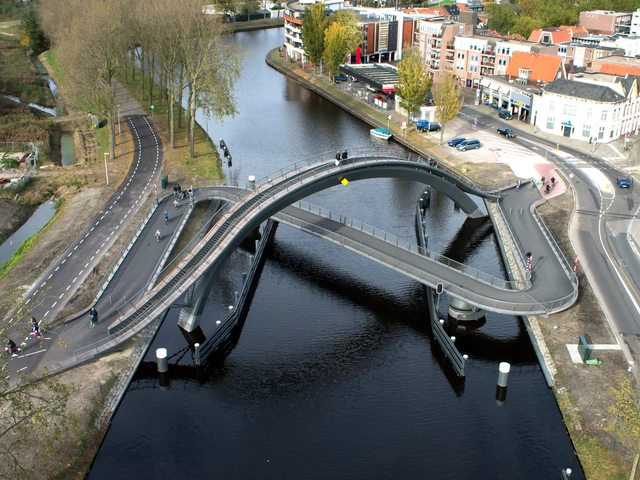
What does the future of cities and transportation look like? It looks like the future will run on two wheels and a handle bar. Many explain the rise of cyclists as a shift towards a healthier and more economical lifestyle. But while that may be true, why would individuals feel inclined to ride bicycles if the roads don't support it, or if there weren't adequate spaces to park?
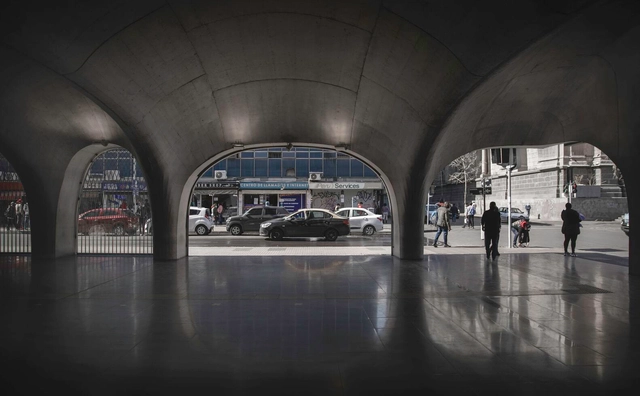
The first line of the Santiago Metro was inaugurated in 1975; since then, a further five lines have been built within a continuous process of expansion to link the city center with parts of the city otherwise disconnected.
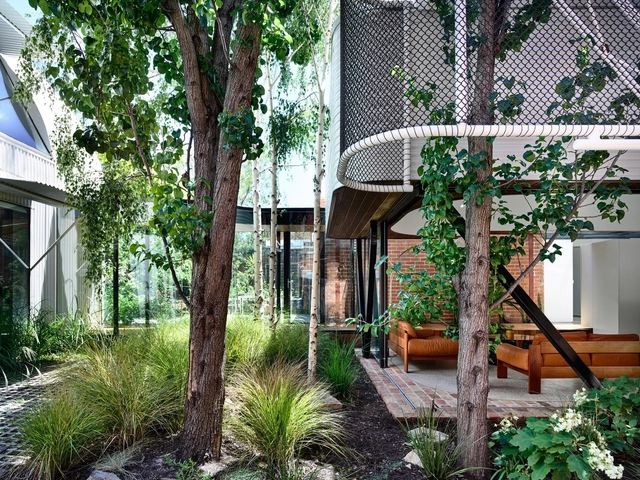
A healthy environment that is also visually appealing in our homes has become increasingly sought when it comes to designing houses and residential spaces, especially during the world’s current context. One of the most successful ways of achieving this is through a thoughtful design of the landscape that complements the built project. The art of landscaping is the arrangement of nature’s raw material elements, like vegetation and planting, combined with nonliving elements, such as exterior structures, paving, and decking, in order to create site-specific solutions that enhance the exterior spaces of a project.
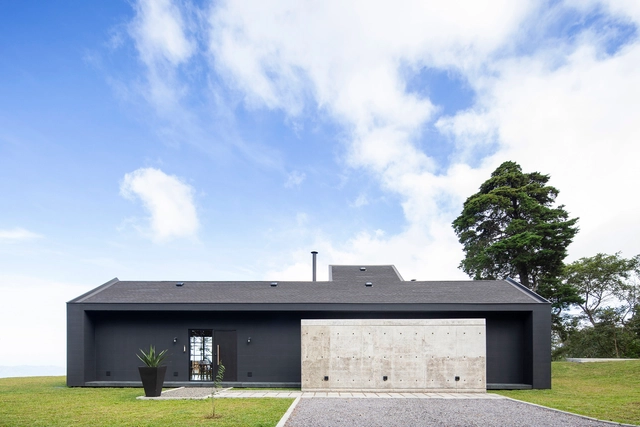
Framed by the lush nature of Costa Rica, this spectacular family residence offers a perfect fusion of modern architecture and traditional construction techniques and materials. The house, whose elegant black facade blends harmoniously with the natural surroundings, stands out as a cool and shaded refuge for its inhabitants.
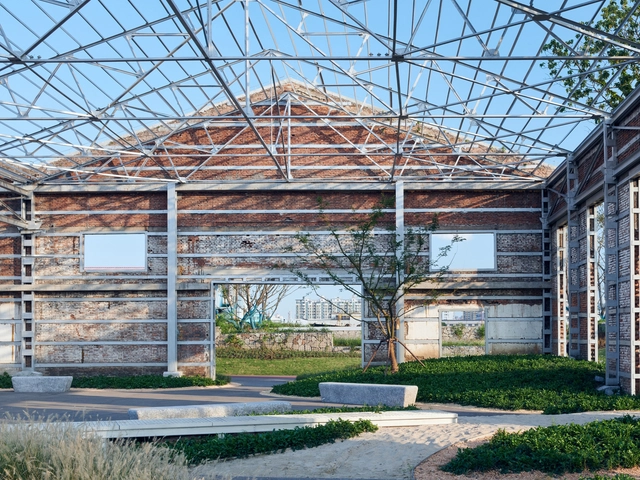
Overall Planning and Orientation. The overall location of the project is east of the Shanghai Yangpu bridge, which belongs to the south part of the Yangpu Riverfront. This area was originally called "Yangshupu Industrial Belt"——an industrial agglomeration area south of Yangshupu Road, adjacent to Huangpu River, starting from Qinhuangdao Road in the west and ending at Liping Road in the east. From west to east, it spans six historic factories, namely, Power Station Auxiliary West Building, National Cotton No. 9 Factory, Power Station Auxiliary East Building, Shanghai Soap Factory, Yangshupu Coal yard, and Gasworks. It covers an area of about 150,000 square meters and has about 1.2 kilometers of waterfront. As the birthplace of modern industry in Shanghai, the industrial zone along the riverside stretches for tens of miles and has the characteristics of early time, multiple types, wide distribution, and large scale. The public space takes the dense industrial factory area (300-500m section) as the design node, reflecting the demand for spatial diversity.
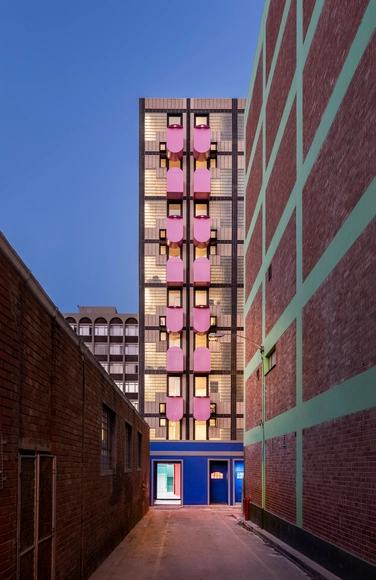
Uxolo Apartments is the first completed micro-unit residential development located in the Cape Town CBD. The project consists of 35 residential units ranging between 24m² micro-studio units and 40m² loft units, as well as a lobby and retail area on the Ground Floor on a stand of only 195.5m².
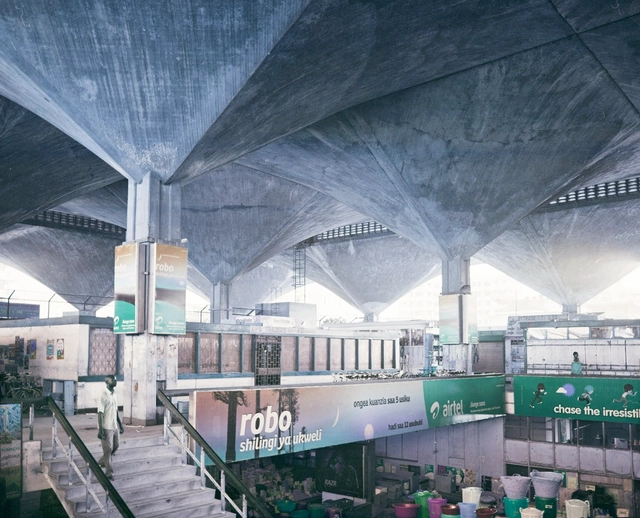
The legacy of the Modernist movement is a complicated one. Spanning a diverse assortment of fiercely debated sub-categories and styles, the Modernist style has established its presence in virtually every continent. Although the movement's origins may be rooted in Europe and the U.S., outside of the Eurocentric canon architects have redefined and re-established the definition of a "Modernist" building. In Sri Lanka, for example, architect Geoffrey Bawa's sensitive, nature-inspired architectural responses gave rise to the "Tropical Modernism" label. Over in the African continent, it is in the East-African country of Tanzania that some highly unique examples of Modernist architecture are found – headed by architects Anthony Almeida and Beda Amuli.
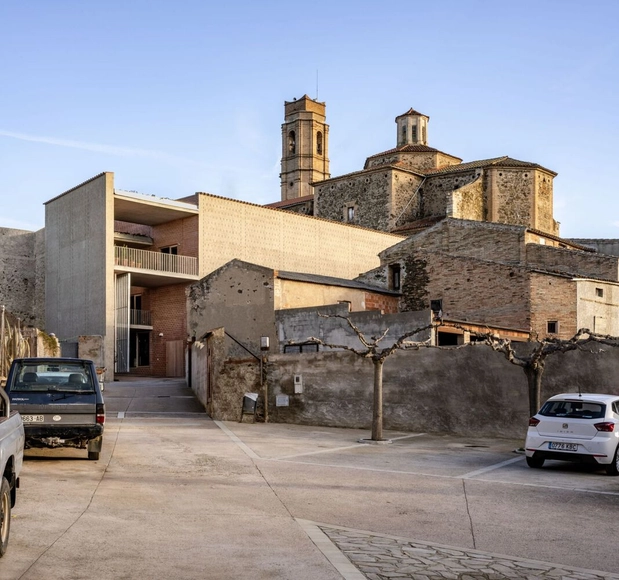
A Priorat appellation vintner needed a new winery in the heart of a village, Gratallops, for his increased production. The challenge was to allow the winery itself to contribute to the biodynamic winemaking process, striving to optimize the building’s behavior based on passive principles to the greatest possible extent.
Located in a street made up of townhouses, the new construction stands precisely at a significant shift in the alignments of the fronts of the buildings between the upper and lower parts of the street.
It is located in the old core of the municipality of Campos, a village located in the south of Mallorca. The majority of the surrounding buildings are two-story row houses, in which the ground floor was traditionally used as a residence and the first floor for storage and agricultural use.