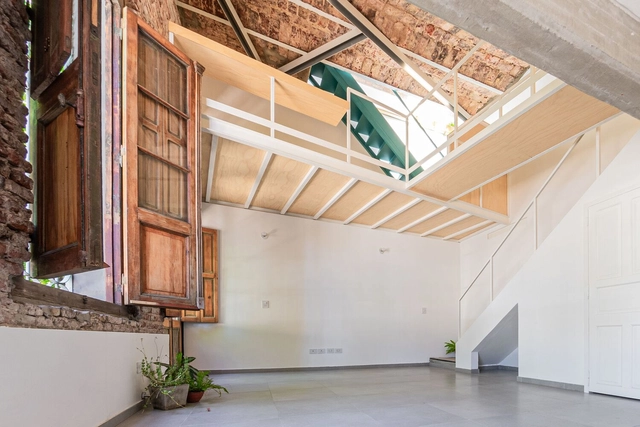
The Casa Pasco project begins with an anonymous and unknown history enclosure. Only a container composed of four walls, a vaulted roof, a blurred facade due to abandonment, and three large openings facing the street.



The Casa Pasco project begins with an anonymous and unknown history enclosure. Only a container composed of four walls, a vaulted roof, a blurred facade due to abandonment, and three large openings facing the street.
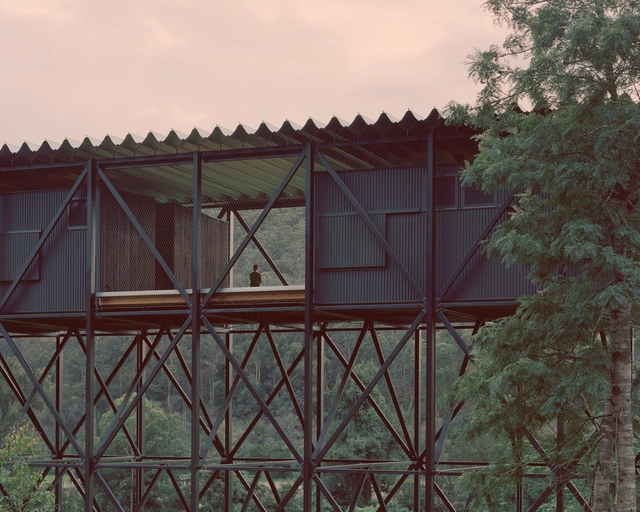
Purpose & Location - Bundanon is a centre for creative arts and education. Its purpose is to foster an appreciation for and understanding of landscape and art and to support research and celebrate art and ideas.
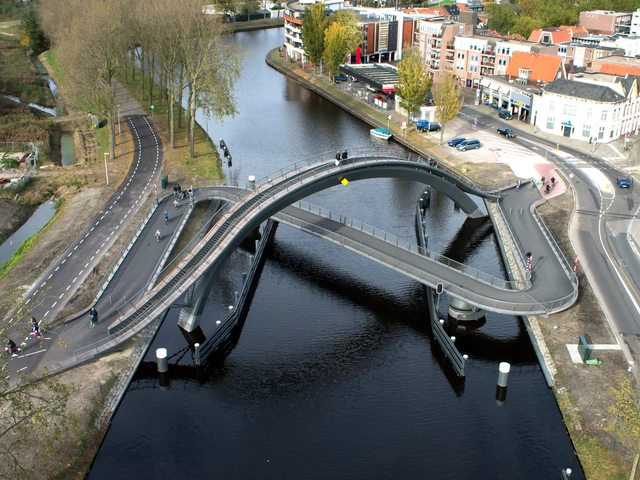
What does the future of cities and transportation look like? It looks like the future will run on two wheels and a handle bar. Many explain the rise of cyclists as a shift towards a healthier and more economical lifestyle. But while that may be true, why would individuals feel inclined to ride bicycles if the roads don't support it, or if there weren't adequate spaces to park?
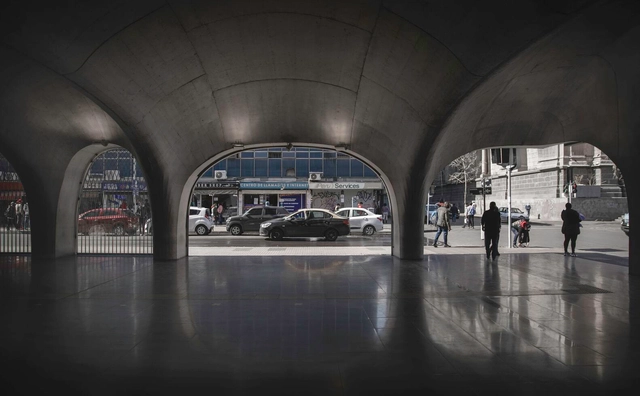
The first line of the Santiago Metro was inaugurated in 1975; since then, a further five lines have been built within a continuous process of expansion to link the city center with parts of the city otherwise disconnected.
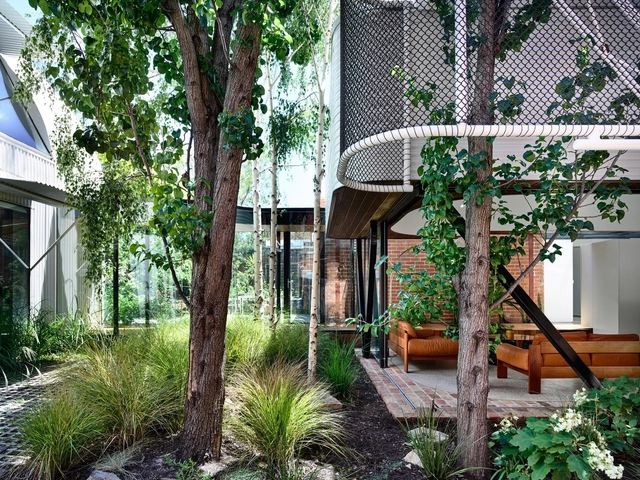
A healthy environment that is also visually appealing in our homes has become increasingly sought when it comes to designing houses and residential spaces, especially during the world’s current context. One of the most successful ways of achieving this is through a thoughtful design of the landscape that complements the built project. The art of landscaping is the arrangement of nature’s raw material elements, like vegetation and planting, combined with nonliving elements, such as exterior structures, paving, and decking, in order to create site-specific solutions that enhance the exterior spaces of a project.
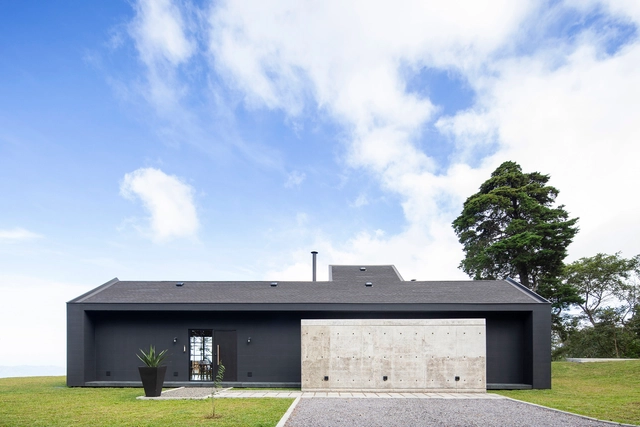
Framed by the lush nature of Costa Rica, this spectacular family residence offers a perfect fusion of modern architecture and traditional construction techniques and materials. The house, whose elegant black facade blends harmoniously with the natural surroundings, stands out as a cool and shaded refuge for its inhabitants.
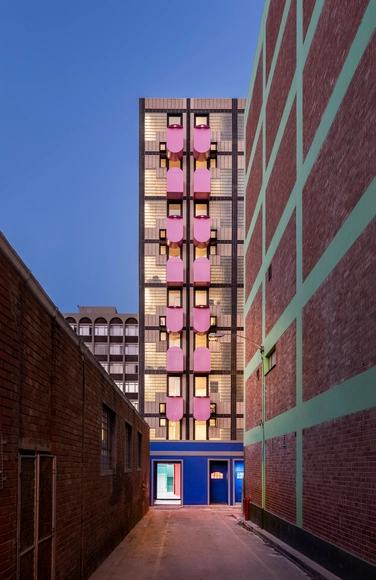
Uxolo Apartments is the first completed micro-unit residential development located in the Cape Town CBD. The project consists of 35 residential units ranging between 24m² micro-studio units and 40m² loft units, as well as a lobby and retail area on the Ground Floor on a stand of only 195.5m².
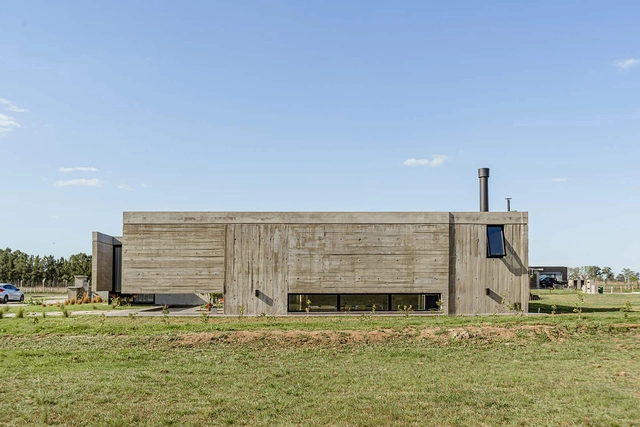
Casa Bombai is a rationalist project where concrete plays a transcendental role: not only visually, but also as a way to execute sophisticated geometries that allow the house to be delimited and expanded in its surroundings. The cantilever partitions give rise to this dichotomy present throughout the entire façade.
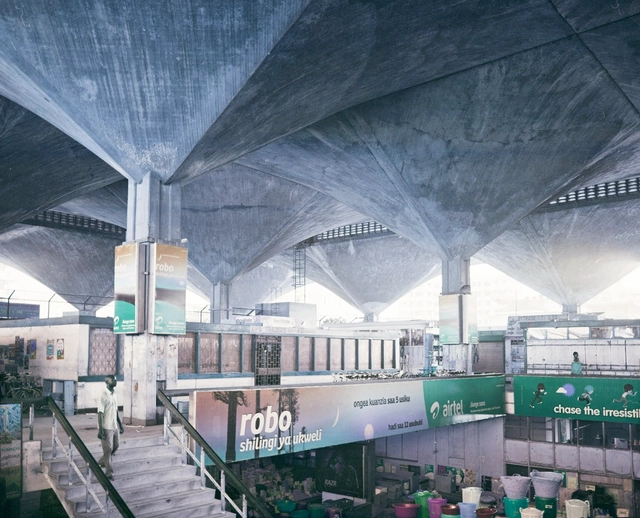
The legacy of the Modernist movement is a complicated one. Spanning a diverse assortment of fiercely debated sub-categories and styles, the Modernist style has established its presence in virtually every continent. Although the movement's origins may be rooted in Europe and the U.S., outside of the Eurocentric canon architects have redefined and re-established the definition of a "Modernist" building. In Sri Lanka, for example, architect Geoffrey Bawa's sensitive, nature-inspired architectural responses gave rise to the "Tropical Modernism" label. Over in the African continent, it is in the East-African country of Tanzania that some highly unique examples of Modernist architecture are found – headed by architects Anthony Almeida and Beda Amuli.
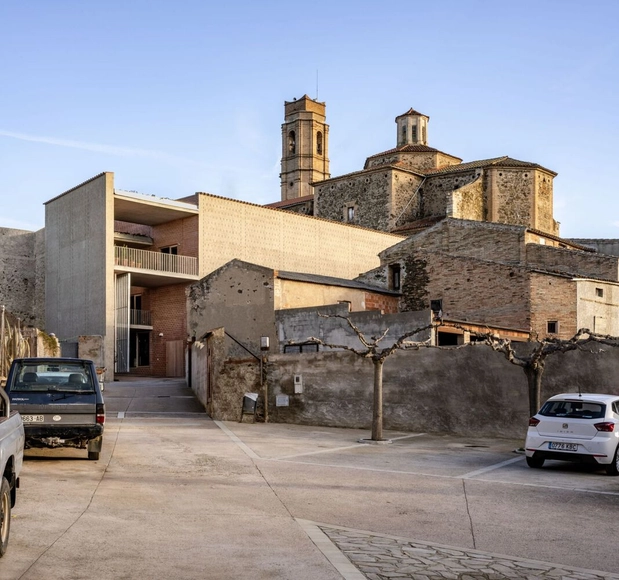
A Priorat appellation vintner needed a new winery in the heart of a village, Gratallops, for his increased production. The challenge was to allow the winery itself to contribute to the biodynamic winemaking process, striving to optimize the building’s behavior based on passive principles to the greatest possible extent.
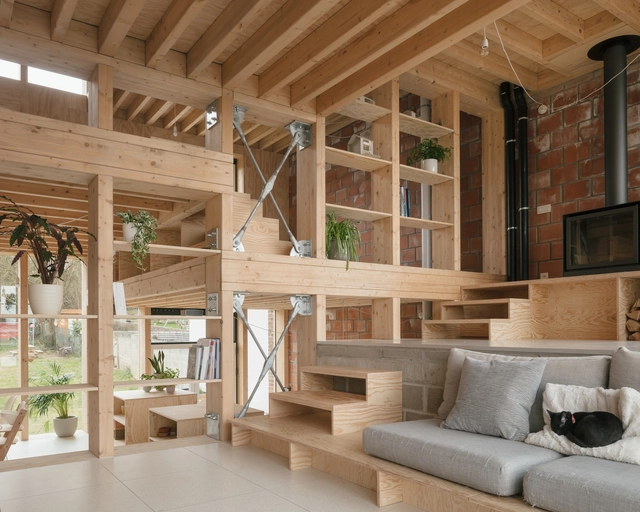
Located in a street made up of townhouses, the new construction stands precisely at a significant shift in the alignments of the fronts of the buildings between the upper and lower parts of the street.
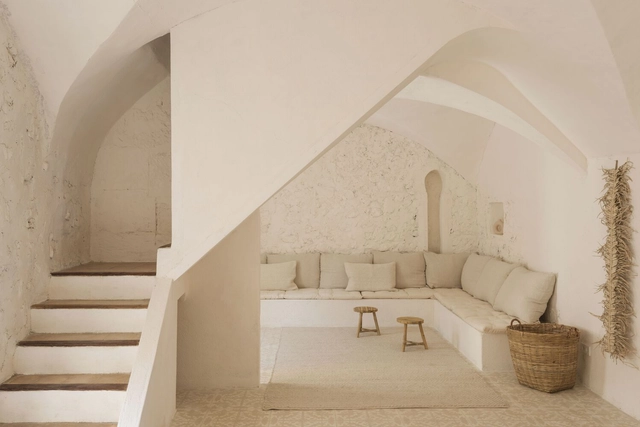
It is located in the old core of the municipality of Campos, a village located in the south of Mallorca. The majority of the surrounding buildings are two-story row houses, in which the ground floor was traditionally used as a residence and the first floor for storage and agricultural use.
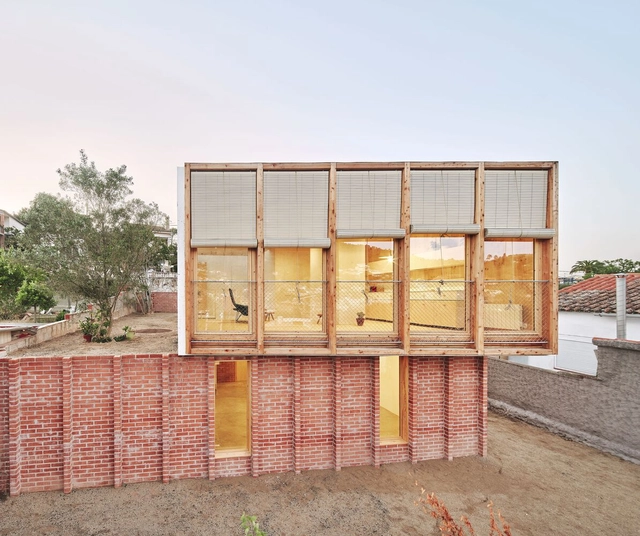
The plot is located approximately 20km from Barcelona, in a residential neighborhood of St. Vicenç dels Horts. It is bordered to the east, west, and south by a set of built parcels, and opens to the north, to Valls Street. The land has two distinct levels. On the upper level, an old tool shed reveals the agricultural origin of the site. On the lower level, a small dilapidated building invites the construction of a new home, recalling old building traditions of the area.
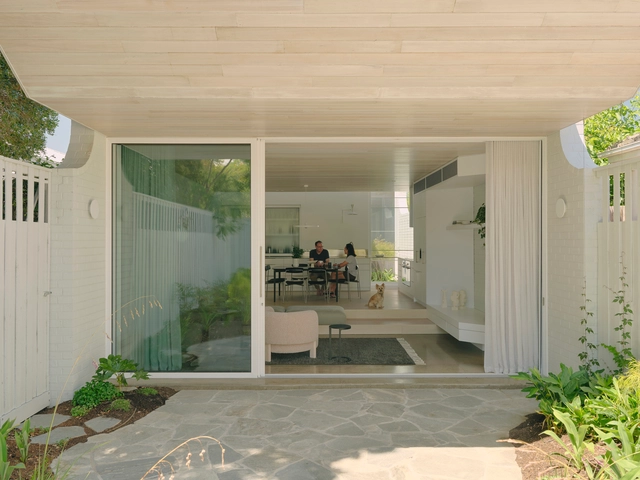
The Light Scoop House employs a courtyard house typology planning approach in response to its elongated site. A barcode plan of alternating rooms and landscaped courtyards expands the impression of space within a narrow plan, bringing natural light and garden views into every room. Formally, the house is composed of two double brick walls on the side boundaries, which capture the roof elements between. Three taller pavilion roofs (housing the habitable rooms) employ a consistent taper at each leading edge, creating an aperture to connect with the sky.
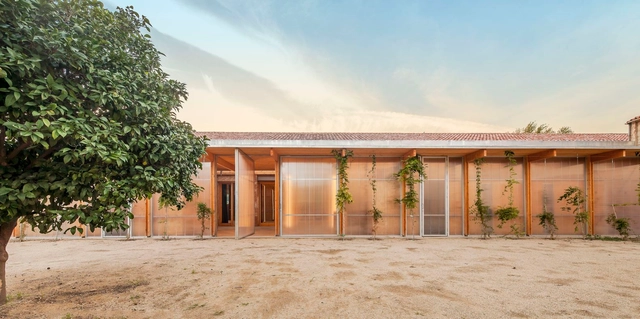
The Can Luna industrial complex is located northwest of La Garriga, adjacent to the Congost river (which delimits the urban fabric), and in a key position for the urban development of the municipality.
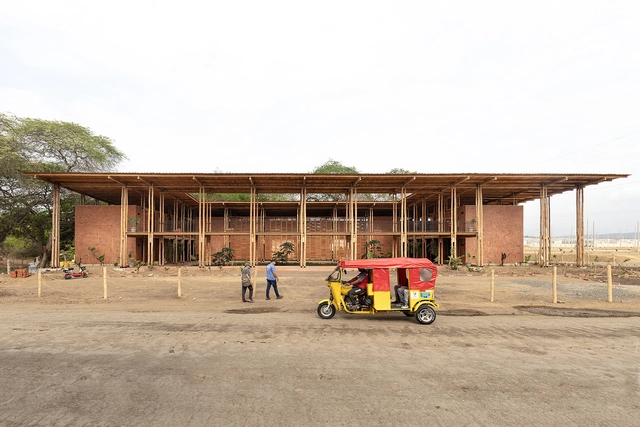
Architecture as a tool for the insertion, linkage, and support of women weavers.
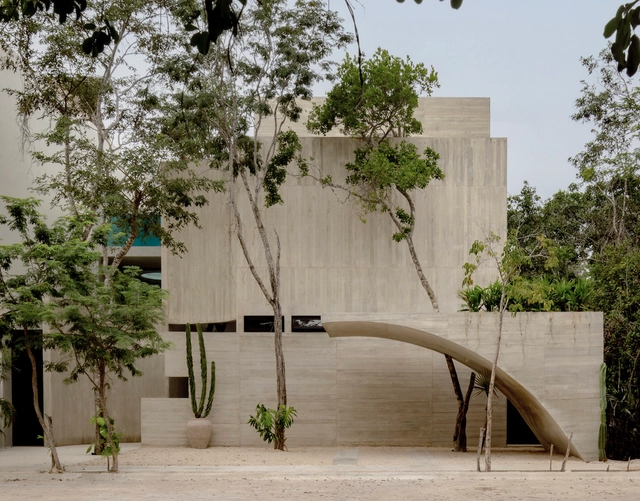
Villa Cava blends luxury with nature. Situated in the heart of the Mayan jungle in Aldea Zamá, Tulum. The villa was created by Espacio18 Arquitectura, in collaboration with Adrian and Andrea, a young couple from Ottawa, Canada. The inspiration came from the magical Cenote Suytun in Yucatan which captured their hearts, and they decided to create a home that embodied the natural beauty and spatial quality of the region.
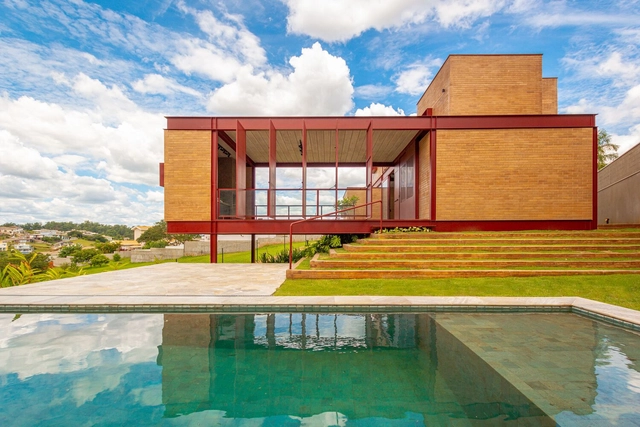
Standing out on top of a hill, the Itatiba House was designed in such a way as to make the most of the existing topography, keeping the building at a high level in order to enjoy the view of the surroundings. The implantation of the house happens in an oblique way in relation to the street, making it skewed on the lot. In addition to guaranteeing the most beautiful views for most of the rooms, we managed to ensure that the project would guarantee a greater distance from the future neighbor with the most important view and that the openings of most of the rooms of the house would be oriented to the North-South face, optimizing the insolation in the winter and at the same time being more protected from the peak sun in the summer.