
-
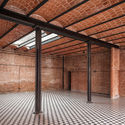
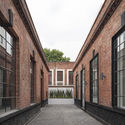
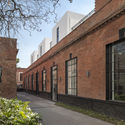
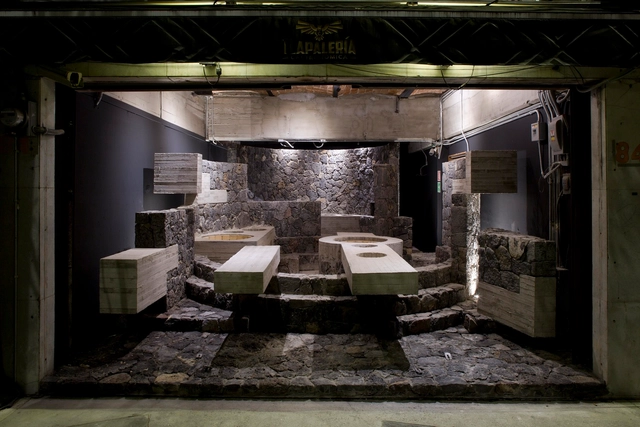
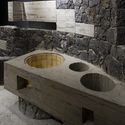
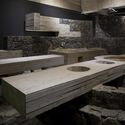
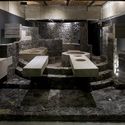
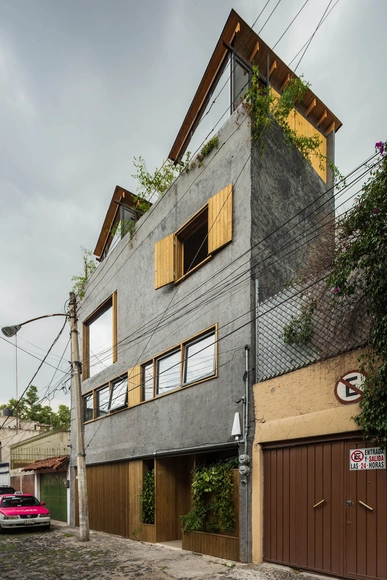
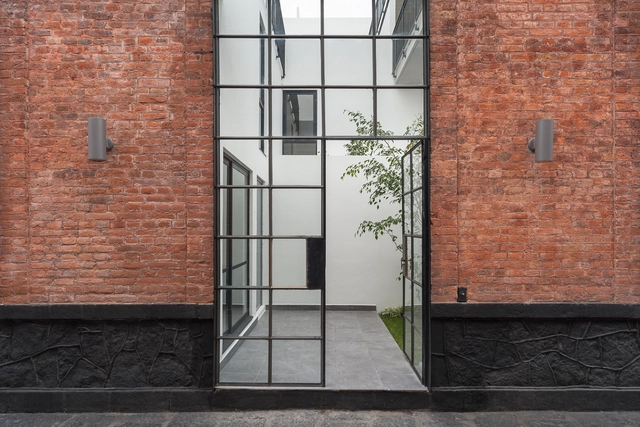
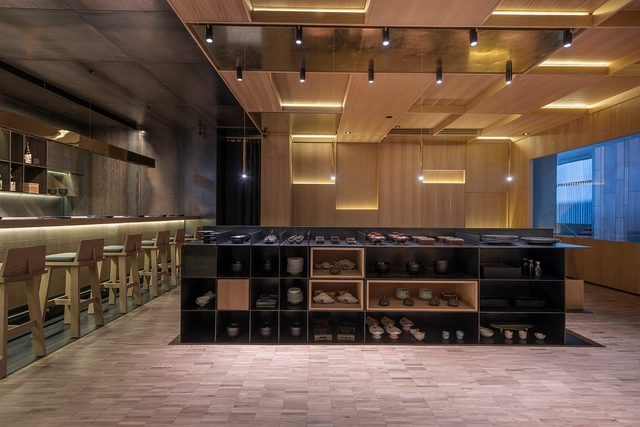
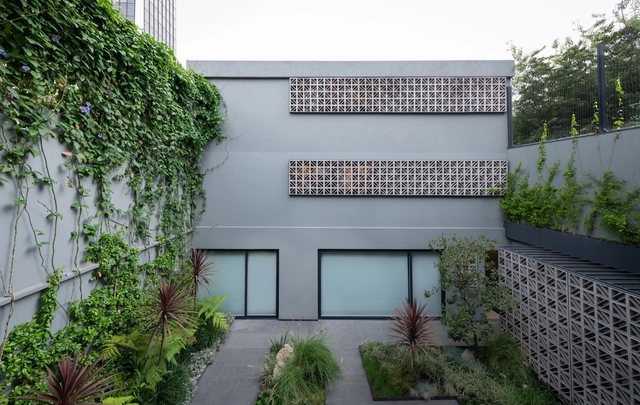
Architects: Ludwig Godefroy Architecture
- Area: 538 ft²
- Year: 2018
-
Manufacturers: Concrete, Volcanic Stone

This article was originally published on April 14, 2014. To read the stories behind other celebrated architecture projects, visit our AD Classics section.
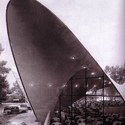
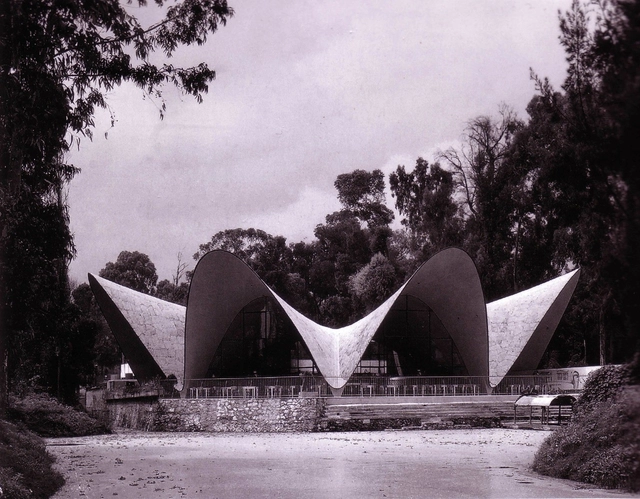
With the design for Los Manantiales, Felix Candela’s experimental form finding gave rise to an efficient, elegant, and enduring work of structural art. Comprised of four intersecting hypars, a strikingly thin roof surface creates a dramatic dining space. Built as Candela was establishing an international reputation as the foremost shell building, he demonstrated to the world his masterful combination of artistry and technical virtuoso.
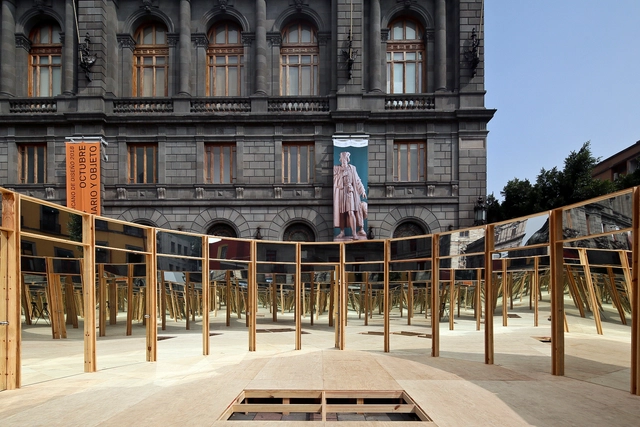

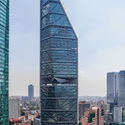
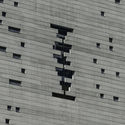
The office building Torre Reforma in Mexico City has won the prize for the world’s most innovative high rise awarded by the Deutsches Architekturmuseum (DAM). One of the world’s most important architectural prizes for tall buildings, the International Highrise Award is presented every two years to the project that best exemplifies the criteria of future-oriented design, functionality, innovative building technology, integration into urban development schemes, sustainability, and cost-effectiveness.





This article was originally published by Common Edge as "Letter From Mexico City: An Insidious Memorial to a Still-Unfolding Tragedy."
You wouldn’t think it looking at Mexico City today—a densely populated metropolis, where empty space is hard to come by—but decades earlier, following a devastating earthquake on September 19, 1985, more than 400 buildings collapsed, leaving a collection of open wounds spread over the cityscape.
Exactly thirty-two years later, the anniversary of that disaster was ominously commemorated with an emergency evacuation drill. Then, in one of those odd occurrences in which reality proves to be stranger than fiction, a sudden jolt scarcely two hours after the drill led to what would be yet another of the deadliest earthquakes in the city’s history. Buildings once again collapsed, leaving a rising-by-the-hour death toll that eventually reached 361, as well as swarms of bewildered citizens wandering the streets, frantically attempting to reach their loved ones through the weakened cell phone reception. “We’d just evacuated for the drill,” people said, like a collective mantra. “How could this happen again?”

Note: This project was originally published in Spanish on ArchDaily on April 27, 2016. Due to the news of the project's partial collapse, we have translated the original post to provide more information in English.
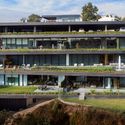
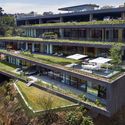
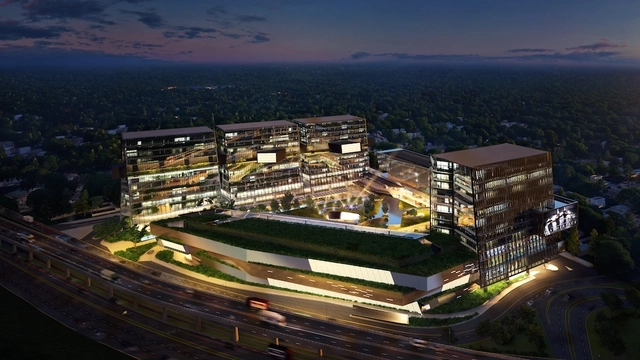
Currently underway in Mexico City, the project by Sordo Madaleno Arquitectos inserts a new urban-scale project designed under environmental and social concepts to expand public spaces and the collective interaction in the south of the city. The volumetry of this mixed-use project that incorporates commercial developments, corporate towers and a large urban park.
"ARTZ is more than just a project, it is a space that improves the city and therefore the quality of life of its users," comments Javier Sordo Madaleno Bringas, president of SMA.
More information about the project is available below.
▶ Así se derrumbó una sección de la plaza comercial Artz Pedregal https://t.co/IMnqtfIiZy #CdMx pic.twitter.com/mYzYowaZVP
— Milenio.com (@Milenio) 12 de julio de 2018
Videos circulating around social media show at least a partial collapse of Plaza Artz Pedegral, a project built in 2012 by the Mexican architecture office Sordo Madaleno Arquitectos. At the time of reporting the cause of the collapse has not yet been confirmed.
According to the online version of the Milenio newspaper, The Secretary of Civil Protection (secretario de Protección Civil) in Mexico City stated that, at the moment, there are no reports of people injured or trapped.
Video from 2016 shows part of the site collapsing around the roads adjoining the site.
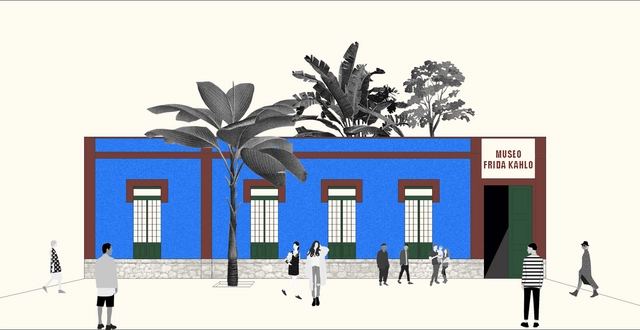
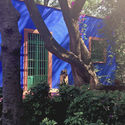
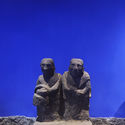
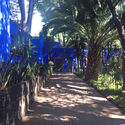
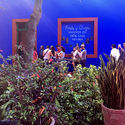
Before the monochromatic works of Yves Klein, who created the International Klein Blue (IKB), Frida's 'Kahlo Blue' already existed in Mexico City's core.