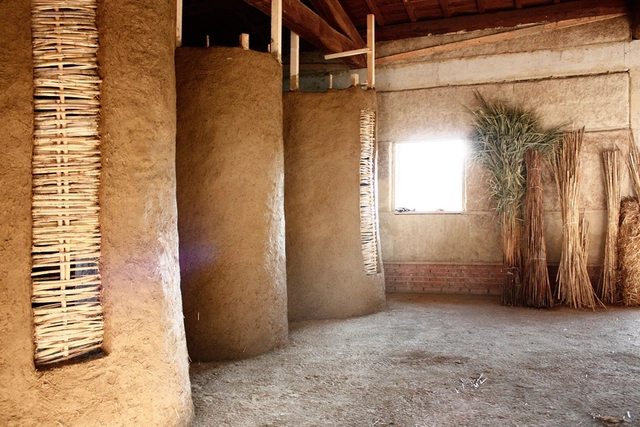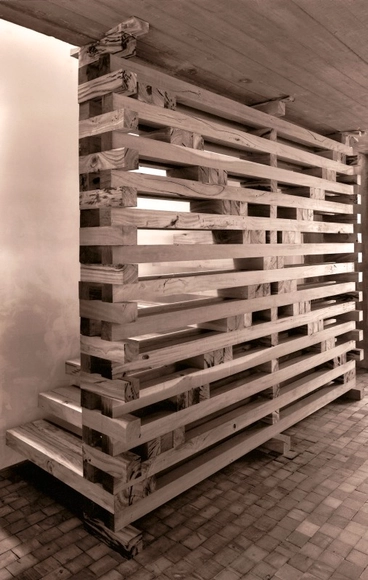
Using concrete and bricks made of raw mud, architects Solanito Benitez, Solano Benitez, Gloria Cabral, Maria Rovea and Ricardo Sargiotti built a wall able to be constructed by the two materials working in tandem. Once the concrete dries, the bricks are washed away, returning the mud back to its natural state, leaving spaces in the lines of concrete, like a kind of negative.
This article is part of our new "Material Focus" series, which asks architects to elaborate on the thought process behind their material choices and sheds light on the steps required to get a building constructed.
https://www.archdaily.com/797639/material-focus-cerrado-house-by-vazio-s-aArchDaily Team
The wide range in which pieces of masonry can be arranged allows for multiple spatial configurations. Born in a furnace, the brick adorns and reinforces, protects and—to various degrees—brings natural light into spaces that need slight, natural illumination.
This article is part of our "Material Focus" series, which asks architects to elaborate on the thought process behind their material choices and sheds light on the steps required to get projects actually built.
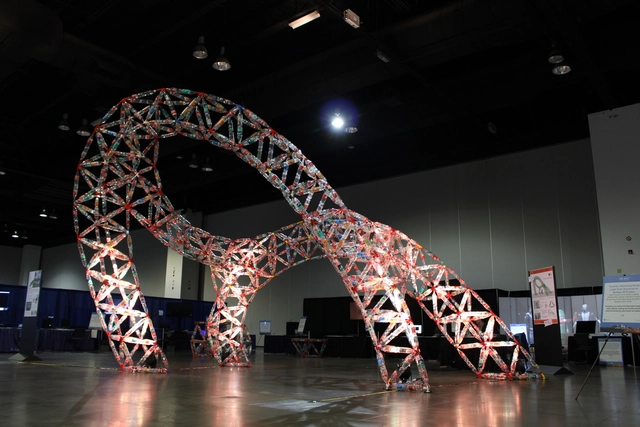
https://www.archdaily.com/797182/how-coda-used-hundreds-of-white-plastic-chairs-to-build-a-recyclable-pavilionAD Editorial Team
Tham & Videgård's proposal for the former transport harbor of Loudden. Image Courtesy of Tham & Videgård Arkitekter
In this edition of Section D, Monocle 24's weekly review of design, architecture and craft, the show explores how wood is being used creatively at every scale by designers and architects today. From the "timber terrazzo" of London-based designer Conor Taylor, to the four protected (yet threatened) wooden escalators at Sydney's Wynyard Railway Station, the episode questions how innovative designers are, or need to be, with this age-old tried and tested material. Finally, the show visits Folkhem in Sweden – a construction company who believe wood "to be superior to conventional alternatives in almost every respect, from construction time to acoustic properties."
https://www.archdaily.com/797040/monocle-24-explores-creative-uses-of-wood-in-contemporary-architecture-and-designAD Editorial Team
Peddle Thorp Architects have submitted their proposal for the Moray Street Residential Tower in Melbourne for approval. At 1173.5 square meters, Sol Invictus is wrapped entirely in solar panels, attaining 10 times more solar surface area than a traditional roof covering. The facade can achieve up to 5000 square meters of solar panel array and is connected to a battery storage system.
181 Fremont—which will become the third tallest structure in San Francisco and the most resilient tall building on the West Coast of the U.S.—has been awarded the REDi™ Gold Rating, a new earthquake resilience rating. The building was designed by San Francisco-based Heller Manus Architects.
As part of a masterplan along the Chicago River, the River Beech Tower is a residential high-rise which, if built, would be taller than any existing timber building. The collaborative team behind River Beech consists of architects Perkins+Will, engineers Thornton Tomasetti and the University of Cambridge. Currently a conceptual academic and professional undertaking, the team state that it could potentially be realized by the time of the masterplan’s final phases.
Designer and architect Neri Oxman and the Mediated Matter group have announced their latest design project: the Synthetic Apiary. Aimed at combating the massive bee colony losses that have occurred in recent years, the Synthetic Apiary explores the possibility of constructing controlled, indoor environments that would allow honeybee populations to thrive year-round.
Leading residential architect Tom Kundig, FAIA, will be the keynote speaker for the "Material Design" Symposium presented by the Dallas Architecture Forum at the Nasher Sculpture Center on October 30.
Join the Dallas Architecture Forum for an afternoon focused on how outstanding design utilizes materials, from common to rare, as integral elements of the design process. Attendees will also learn how leading architects and artists incorporate functionality into their designs, ranging in scale from small sculptures to residences.
Attendees will have the privilege of hearing from two of the most highly regarded practitioners in their fields share insights and lead inspiring discussion on these intriguing topics.
Simply put, metamaterials are materials that behave according to their structure, rather than their base material composition. By manipulating their internal microstructures, metamaterials can exhibit properties that would not otherwise be found in a naturally occurring material.
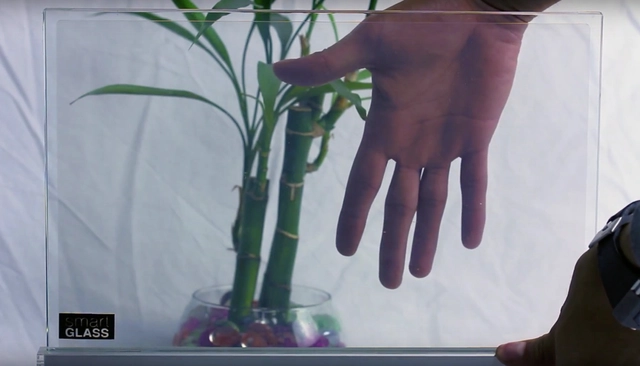
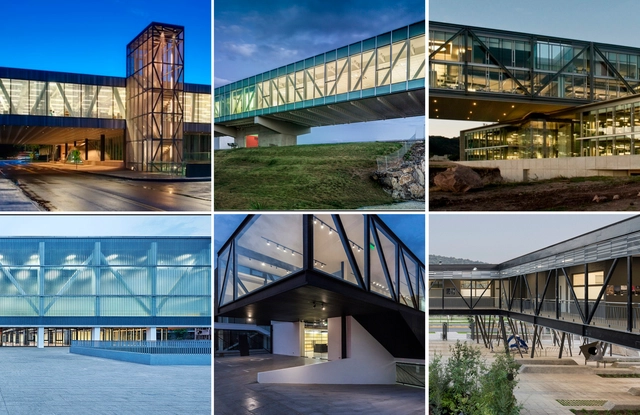
An emerging sector of construction is developing new systems that manage to not only reduce construction times and costs, but also solve the housing problem in Mexico’s most disadvantaged areas. Originating from previously known construction techniques, national companies are venturing into international markets by proposing new models of construction that use fewer materials and have a greater structural strength and greater comfort. They’re also introducing smart materials adaptable to any construction need.
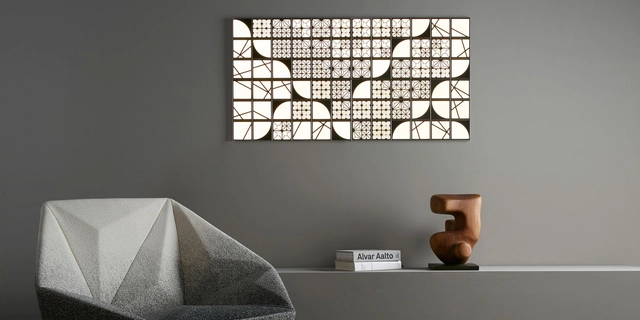
When you think of original designs, you know that you're talking about something unique and special. An innovative design that can change our perception and visual culture: that is exactly what the German designer Elisa Strozyk does with Wooden Textiles, a product line that mixes wood with fabric.
Topping out two weeks ago, the structure of Brock Commons, currently the tallest timber structure in the world, is now complete. Measuring in at 18 stories and 174 feet (53 meters) tall, the building was completed nearly four months ahead of schedule, displaying one of the advantages of building tall buildings with wood.
Excavation is usually a bane for real estate developers. To make way for new buildings, truckloads of excavated waste are removed from site in a noisy, time-consuming and gas-guzzling process. Exploring a more sustainable solution, the California-based company Watershed Materials have developed an onsite pop-up plant which repurposes excavated material right at the job site to create concrete masonry units (CMUs) used in the development. By eliminating truck traffic, reusing waste and reducing imported materials, the result is a win for the environment.