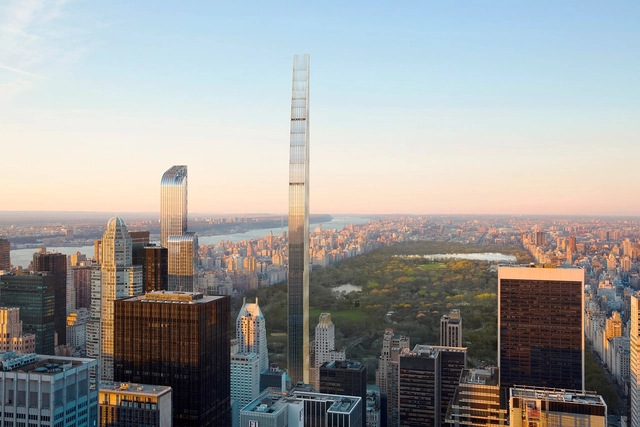
New York City’s skyline tells the tale of the region’s dated relationship with architectural innovation and style. Among the many materials that cloak the city’s built environment, terracotta has a distinct significance. The clay-based material was a prominent feature in buildings from the late 1800s to the 1920s and, after a brief pause, is experiencing a resurgence with contemporary design. The revival pays homage to The Big Apple’s architectural heritage while leading a movement for sustainable materials in the city.
Urban renewal projects generally involve large-scale demolitions, resulting in the erasure of local historical identity and generating a massive amount of waste, along with the transportation of new materials for construction. Some projects, however, bring new perspectives and showcase different ways of doing things. This is the case of LAPI—an abbreviation for "Largo" and "Pinheiros"—, an example of urban occupation and requalification that respects local identity and promotes a new experience of urban space occupation by rethinking it based on its pre-existing elements. With architecture by SuperLimão and master planning by Spol, the project occupies an area of 20,000 m² and encompasses 29 properties distributed across three blocks in a traditional neighborhood in the West Zone of São Paulo. It is located at a strategic point where the city's main roads intersect, offering views of the thousands of people that circulate around it on a daily basis. We spoke with Thiago Rodrigues, architect and partner at the firm, about the challenges and opportunities of working on a project of this type.
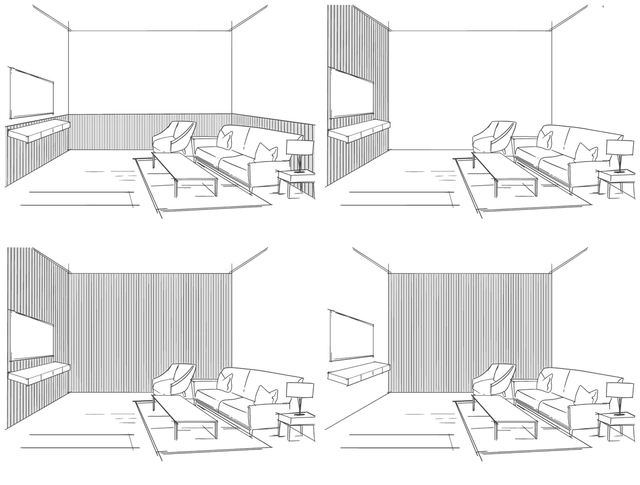
How we perceive space is a crucial aspect of architecture and interior design, profoundly influencing our interaction with the environment. Consequently, spatial perception is shaped by elements such as furniture arrangement, lighting, color choices, and materials. The latter is particularly significant, as the same material can be employed in various ways, resulting in atmospheres with unique characteristics.
https://www.archdaily.com/1019443/how-to-use-fluted-cladding-on-interior-wallsEnrique Tovar
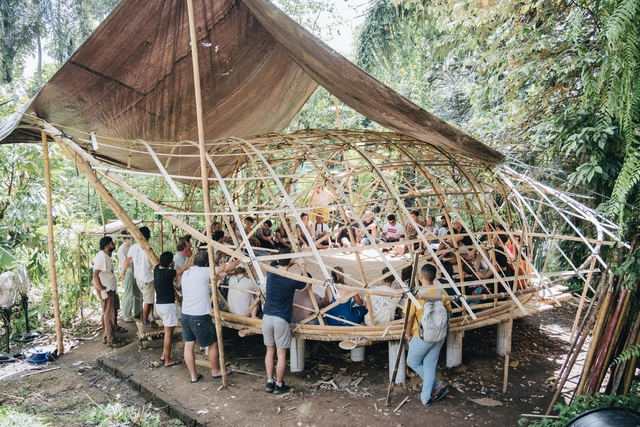
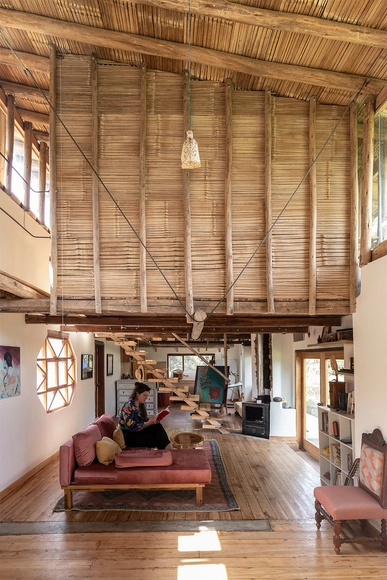
The Kul Kul Farm was born with the purpose of sharing knowledge of how to design, build, grow, make, and create with nature in mind. Promoting values that respect and care for the Earth while strengthening community bonds, the farm has become a beacon of sustainability and connection with the natural environment. In 2015, Maria and Orin started this project with the intention to inspire and empower both local Balinese and tourists to live a life more connected to the natural world. Although they initially promoted their values through permaculture, they soon realized the world was ready and hungry for the knowledge, skill, and inspiration to design homes and spaces connected to nature, and a whole new movement had started to grow in their own backyard—the bamboo movement.
https://www.archdaily.com/1019173/the-kul-kul-farm-and-bamboo-u-empowering-people-to-build-a-better-world-with-bambooMaría Clara Falquez
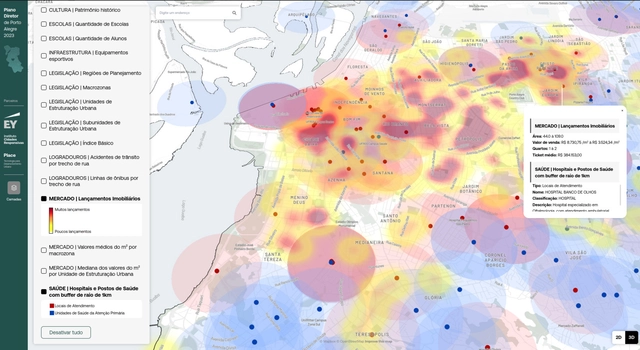
Musicians, advertisers, and renowned chefs are just some of the professionals who initially found inspiration and training in architecture before changing course. Beyond designing buildings, architecture promotes a comprehensive view of space, aesthetics, and functionality—all valuable skills in various fields. Architects are trained to think creatively and solve complex problems, applying this expertise to the development of all kinds of projects. With the help of technology and artificial intelligence tools, this field can expand even further. Contemporary urban development, in particular, faces complex challenges that require innovative solutions. An example of architects venturing into different areas beyond design or construction sites is the OSPA Group, based in Porto Alegre, Brazil. Although it began as an architecture firm, over the years it evolved to include three main vertical activities, each playing a crucial role in urban development: the Responsive Cities Institute, Urbe.me, and Place.
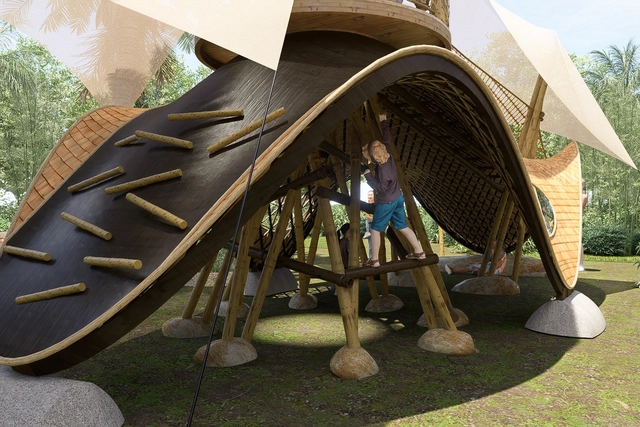
Early this year, Bamboo U and IBUKU launched The Bamboo Playground Design Contest, inviting architects, designers, and creative minds to submit innovative proposals for a sustainable and visually captivating playground for children exclusively constructed using bamboo. The aim of this contest was to explore the versatility of bamboo as a construction material, showcasing its potential for sustainable, aesthetically pleasing, and functional designs.
World War II was pivotal in human history, leaving a profound political and social impact. Its conclusion marked a significant turning point, leading to post-war suburbanization and the baby boom. These phenomena resulted in rapid urban growth and a surge in housing construction, which peaked in the 1960s and continued to flourish throughout the following decades, gradually slowing down until the present day. Currently, we are facing a very different scenario in which a backlog of affordable housing, combined with a challenging economic outlook and a climate agenda, have led to the need for a transformation of the built environment into a cleaner and more resource-efficient one, in line with the Paris Agreement.
https://www.archdaily.com/1018781/refurbishment-vs-demolition-enhancing-housing-for-sustainable-energy-efficiencyEnrique Tovar
Refurbishment is an increasingly common and fundamental practice in contemporary architecture. More than a trend, it represents a crucial strategy for reducing resource consumption and minimizing waste generation, providing clear advantages over brand-new constructions. In the Latin American context, this philosophy stands out for its unique characteristics. It intricately weaves circularity and climate action with local materials, addressing economic challenges while harmonizing Indigenous, colonial, and contemporary influences.
https://www.archdaily.com/1019030/housing-refurbishment-in-latin-america-10-projects-that-excel-in-the-use-of-materialsEnrique Tovar
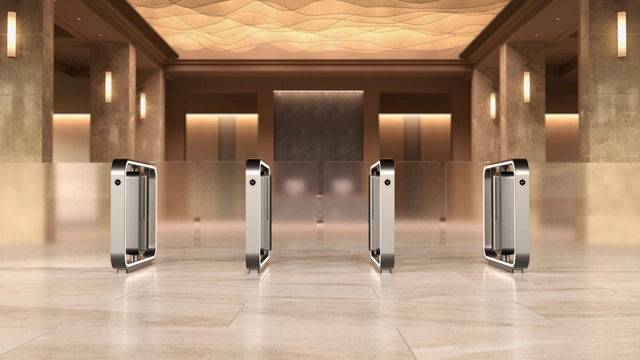
The adoption of advanced access control solutions is essential to maintaining security and safety in various contexts, from businesses and institutions to residences and public spaces. Their main objective is to regulate who can access or use a specific resource, location, or system, ensuring that only authorized individuals have access. In an increasingly interconnected and digital world, the implementation of access control systems has become essential to protect confidential information, ensure the integrity of physical and virtual environments, and prevent unauthorized access that can result in theft, data breaches, or other security incidents. These systems can encompass a variety of methods, including passwords, key cards, biometric scans, and security personnel, all working together to verify and allow entry only to those with permission.
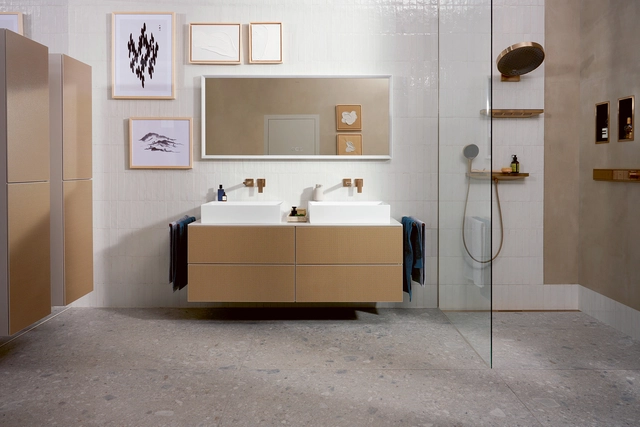
The term "holistic" refers to an approach that considers a system as a whole, rather than focusing on individual components. It emphasizes the interconnectedness of various elements and aims to create something balanced and harmonious that supports overall comfort. The approach is particularly valuable at a time when personal well-being and sustainability are at the forefront of design. This includes the integration of natural elements, such as light and water, to create calm, rejuvenating environments where balance and harmony ensure that all design elements work cohesively to form a unified space. Holistic bathroom spaces go beyond mere functionality by engaging the senses, promoting relaxation, and using resources responsibly, a comprehensive approach embraced by premium bathroom solutions brands like hansgrohe.
Evolving urban conditions call for an evolving builtscape, and retrofits have been a key mechanism to allow buildings to adapt and respond to new needs. Amidst global environmental concerns, climate retrofits have become a popular strategy to upgrade buildings based on improved operational efficiency. Global decarbonization plans have even called for city-wide retrofits, such as in the case of London, to meet civic goals. While such upgrades significantly reduce energy consumption, they often come with a hidden cost - embodied carbon in retrofit materials and the potential for future waste.
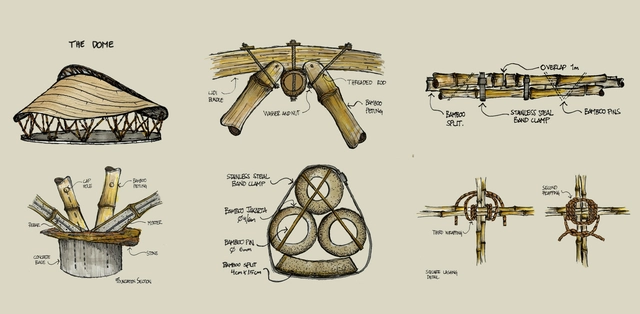
Through the analysis of an innovative bamboo grid structure created using augmented reality by architects Kristof Crolla and Garvin Goepel in August 2023, we delve into the intricate world of bamboo architecture, focusing on its application in dome structures through a series of detailed illustrations that uncover the depth of this sustainable material's capabilities.
Increasing urbanization, excessive waste production, excessive consumption of material goods, and exploitation of natural resources. There are many factors that contribute to the environmental impact of humans on Planet Earth. Scarcity of raw materials and the use of non-renewable resources is already the reality of some locations, and nature can no longer reclaim renewables at the same pace as it is exploited. The impact of human activities is so remarkable that scientists have pointed out that we are living in the new geological age of the Anthropocene (the Greek word for “the recent age of man”). The construction industry in particular is a major resource consumer and waste generator. In the European Union, the construction and use of buildings represents about 50% of all resource extraction and energy consumption, and about one third of all water consumption. [1] In 2014, 52% of all waste was attributed to the construction sector. [2].
Accurate surveys are essential for an architectural project and subsequent construction to run as smoothly as possible. They provide detailed information on the physical characteristics of a site, existing structures, environmental conditions and possible obstacles, which will serve as prerequisites for the design stage, ensuring that all relevant factors are considered before construction begins. This information is vital for making informed decisions that harmonize with the environment and comply with local zoning regulations, building codes and environmental standards. Traditionally, these surveys have relied on manual measurements with tape measures, basic photographs, and, more recently, expensive laser scanning. All of these are susceptible to human error and can be extremely time-consuming, especially in large or complex areas. Laser scanning, despite being more accurate and comprehensive, involves expensive equipment and specialized technicians, increasing project costs and often extending the time needed to carry out the survey.
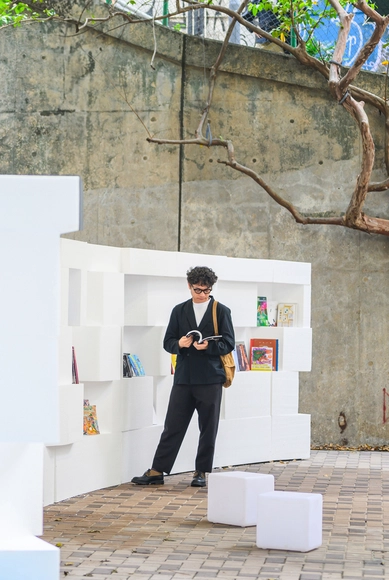
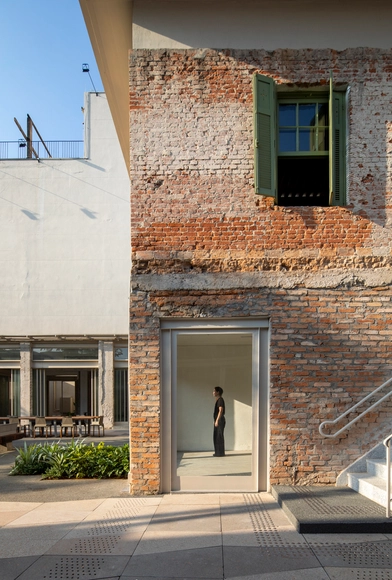
Ladder Street Cultural Space. Image Courtesy of Francesco Rossini
As we near its 100th anniversary, expanded polystyrene (EPS) has become widely used in various industries and applications, especially in construction. Since 1970, EPS has been used in building construction due to its thermal insulation properties, lightweight closed-cell structure, durable strength, and long-term integrity. However, while these qualities make it highly useful and easy to recycle, they have also sparked debate due to recurring discussions about its degradation processes and environmental impact from various perspectives.
https://www.archdaily.com/1018325/how-are-innovations-changing-expanded-polystyrene-epsEnrique Tovar
Terraco EIFS offers a cost-effective method to achieve thermally efficient external walls, significantly reducing energy consumption and operational costs. Image Courtesy of Terraco
In today's construction industry, achieving energy efficiency, sustainability and safety along with aesthetics are essential goals for architects and consultants. Exterior Insulation and Finishing Systems (EIFS) are versatile, high-performance solutions that meet these requirements for both new builds and renovations. These multi-layered exterior insulation systems significantly enhance thermal performance and offer energy savings of up to 50% while providing flexibility in design.
Anyone who lives in a big city may have dreamed of moving elsewhere and living isolated, in a house among the trees or on a deserted beach. During the pandemic and the endless months of quarantine, many more may have had this same idea. As romantic and seductive as this may seem, however, living deep in nature comes with some important practical challenges. Rarely would anyone give up the little comforts they are used to, like turning on a faucet or charging their cell phone. If the location is, in fact, remote, it may not have electricity, drinking water, gas, sewage, or solid waste collection. But there remain several possibilities for a life with comfort and without neighbors. What are the main solutions to enable this and how can an architectural project provide an off-the-grid life?
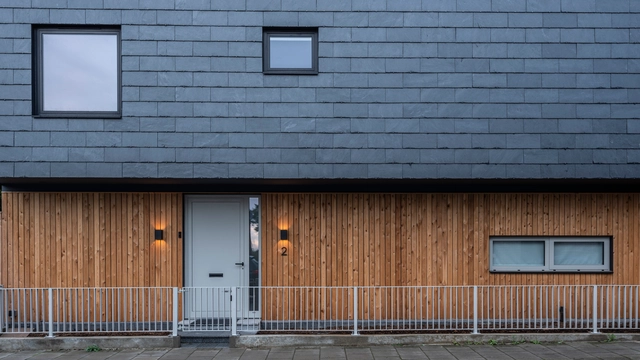
CUPACLAD® 201 VANGUARD. Image Courtesy of Cupa Pizarras
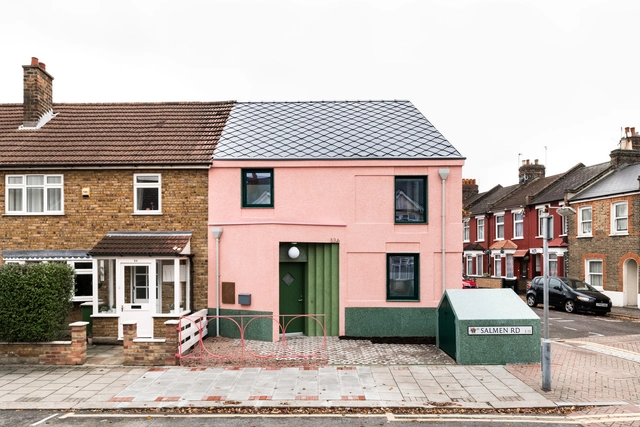
Slate is a metamorphic natural rock composed of clay minerals such as mica and chlorite, which give it a laminated texture and predominant shades of gray, black, and green. Widely used in the construction industry, it is known for its durability and distinct elegance, offering a timeless and sober finish for roofs and exterior walls. With its unique texture, it can transform the look of any structure using rectangular—or other shaped—pieces. Additionally, it is a highly resistant material to weather, fire, and environmental pollutants, ensuring long-term performance with minimal maintenance. Its eco-friendly production process, involving only raw material extraction and minimal processing, reduces CO₂ emissions, making it an ideal choice for sustainable contemporary architecture.


_Jakob_Schoof.jpg?1575315045&format=webp&width=640&height=580)