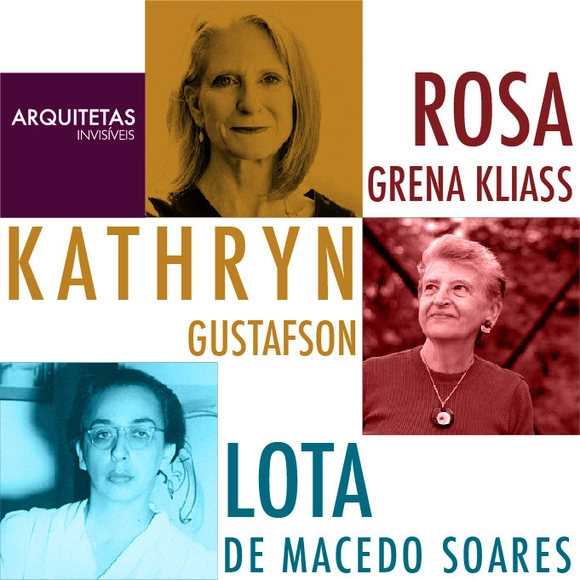
Maria Carlota de Macedo Soares was born in 1910 in Paris, where her father—who ran one of Rio de Janeiro’s most influential newspapers, Diário Carioca—was exiled. Raised among the elite, Lota arrived in Brazil in 1928 at the age of 18. She was often described as a controversial figure, known for her love of race cars, wearing jeans and men’s shirts, and for her discreet yet enduring relationship with the acclaimed American poet Elizabeth Bishop.
While women make up an equal part of the population, they are not equally represented when imagining, planning, designing, and constructing the built environment around the globe. Thriving to rebalance forces and close the gap of gender inequality, the world is moving slowly but surely into a more diverse, equitable, and inclusive future. Looking back at 2021, this year has seen the selection of Lesley Lokko as curator of the 2023 Venice Biennale, Anne Lacaton winning with her partner Jean-Philippe Vassal the 2021 Pritzker Prize, the 6th woman to ever receive the award, and the MAXXI Museum celebrating the transformative role of female architects in the profession's evolution over the last century.
The 2022 Women's International Day, according to the UN is centered on “Gender equality today for a sustainable tomorrow”, focusing on females involved in building a sustainable future, while the official platform of the 8th of March is concentrating its efforts on breaking the bias and eliminating discrimination. Recognizing every single day the female force that shapes the built environment, ArchDaily on the other hand, turned to its global audience this year, seeking input to shed light on even more women architects, from the four corners of the world. Always trying to reach new realms, this selection of 25 professionals is looking to adjust the historical narrative by highlighting pioneers of the field, to present established practitioners molding the world we live in, and to share profiles of activists and scholars, implicated in change.
Videos
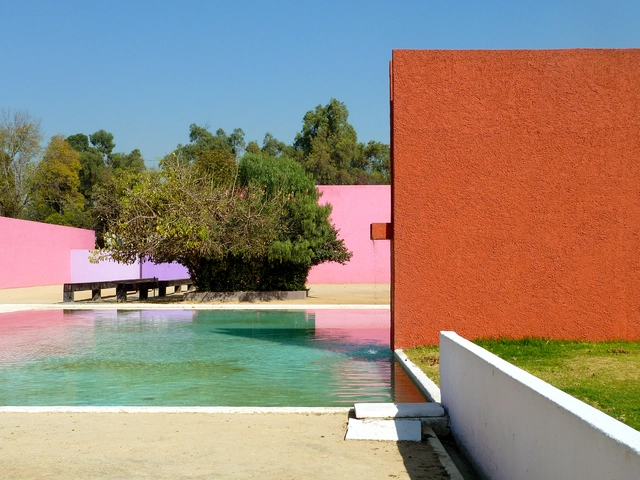
Los Clubes - Cuadra San Cristóbal and Fuente de los Amantes / Luis Barragán. Photo: pov_steve on VisualHunt
How many LGBTQIA+ architects do you know? Surely you went to school with someone but probably never heard a professor mention one of them. Bringing up these names is key to understanding the fundamental role this population plays in the field of architectural theory and practice. This reveals their experiences more clearly, how they incorporate their identities into design and debates about architecture and urban planning. This is key for any person who identifies as LGBTQIA+ to feel comfortable expressing their individuality and their abilities in the profession.
To celebrate International Women’s Day, we asked the Brazilian non-profit group Arquitetas Invisíveis to share with us a part of their work, which identifies women in architecture and urbanism. They kindly shared with us a list of 48 important women architects, divided into seven categories: pioneers, “in the shadows,” architecture, urbanism, landscape architecture, social architecture, and sustainable architecture. We will be sharing this list over the course of the week.
Yesterday we brought you The Urbanists, and today we present women leaders in landscape architecture.