

Institutional Architecture: The Latest Architecture and News
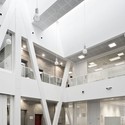

Updated Plans released for Foster + Partner’s new Apple Campus in Cupertino

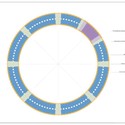
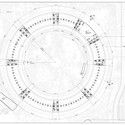
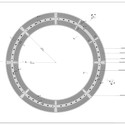
Apple has released updated plans revealing an ambitions solar installation for their proposed campus in Cupertino. Announced back in June, the campus will include an office, research and development building, research facilities, corporate auditorium, fitness center, a central plant and associated parking. Foster + Partners will collaborate with ARUP North America and local civil engineering firm Kier & Wright for the completion of the project.
Continue reading for more details.
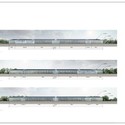
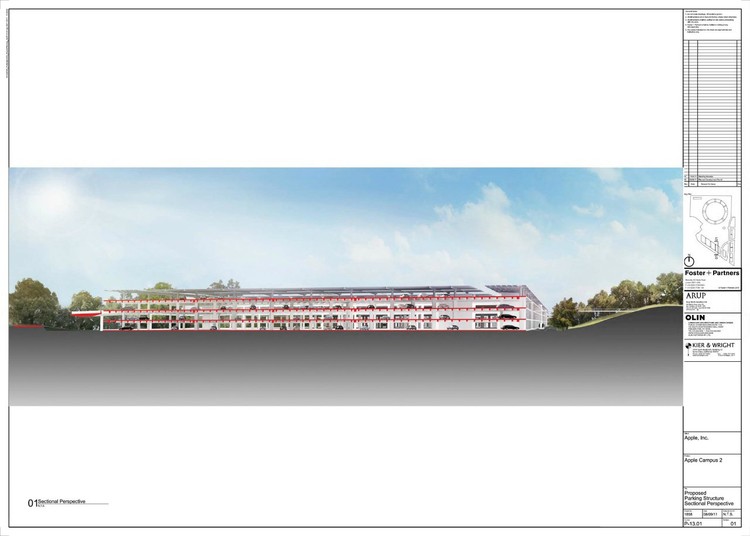
https://www.archdaily.com/191092/updated-plans-released-for-foster-partner%25e2%2580%2599s-new-apple-campus-in-cupertinoKarissa Rosenfield
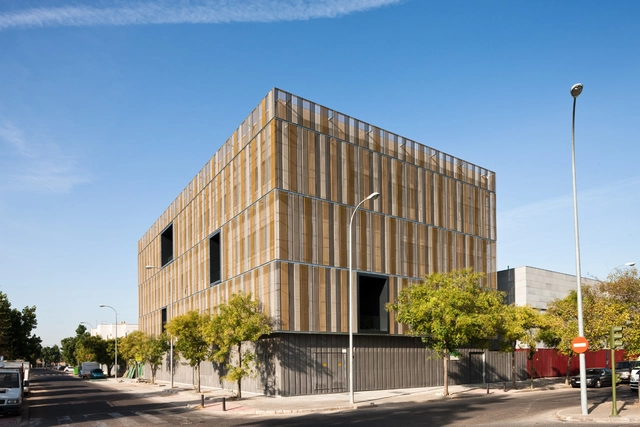
Social Building / Donaire Arquitectos


-
Architects: Donaire Arquitectos
: Juan Pedro Donaire (Donaire Arquitectos), Cristina Rubiño (Surco Arquitectos) - Area: 3358 m²
https://www.archdaily.com/186531/social-building-donaire-arquitectosKritiana Ross
Offices for County Council in Zamora / G+F Arquitectos

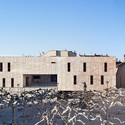
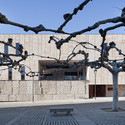
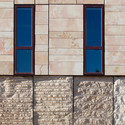
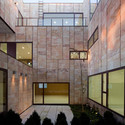

https://www.archdaily.com/188986/offices-for-county-council-in-zamora-gf-arquitectosVictoria King
Supreme Court Building in Jerusalem / Ada Karmi-Melamede Architects & Ram Karmi


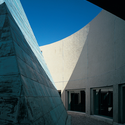


https://www.archdaily.com/184543/supreme-court-building-in-jerusalem-ada-karmi-melamede-architectsMegan Jett
Infinite Free Iraqi Constitution Proposal, designed by CAP

How can you condense more than ten thousand years of civilization into a single project that faithfully tells the story of a great nation? The answer is in the winning design of a prestigious architectural competition, to design the new compound for the General Secretariat for the Council of Ministers in Baghdad. Zaha Hadid and more than 30 other international architects participated in this competition, won by the architecture firm CAP.
https://www.archdaily.com/185127/infinite-free-iraqi-constitution-proposal-manhal-al-habbobiAlison Furuto
Center for Development of Innovative Transportation Technologies / KO+KO Architects

Efficiency of the government and consequently well-fare of the society is closely related to development of infrastructure. Ukraine is situated in advantageous geographic location, therefore it is twice as interested in arranging proper transportation system which will become a significant stimulus for economic growth. Creating the Center for Development of Innovative Transportation Technologies, KO+KO Architects considers their design as an incarnation of intents of the Ukrainian society to establish sustainable means of communication, as a fact of realizing its crucial importance for human life. Apart from the symbolic function, the center is thought to fulfill tasks announced in its name, thus providing ground for the developing of Ukraine. More images and architects’ description after the break.
https://www.archdaily.com/183994/center-for-development-of-innovative-transportation-technologies-koko-architectsAlison Furuto
Witlox Van den Boomen new Headquarters / Van den Pauwert Architecten


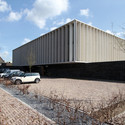


https://www.archdaily.com/183478/witlox-van-den-boomen-new-headquarters-van-den-pauwert-architectenMegan Jett
Firma Casa Store / SuperLimão Studio + Campana Brothers


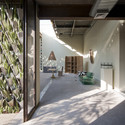
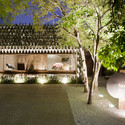
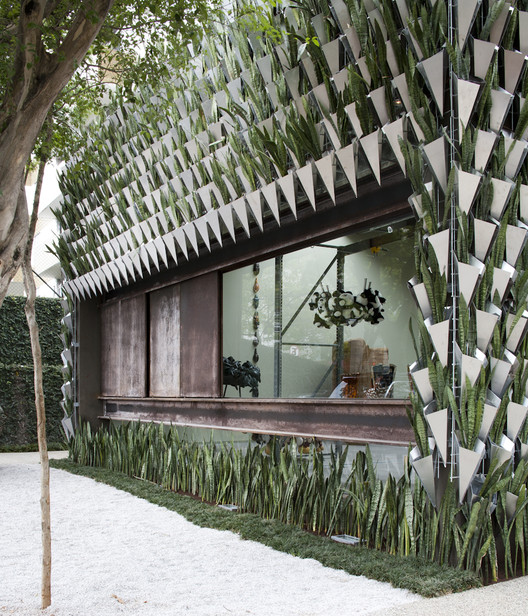
-
Architects: SuperLimão Studio + Campana Brothers
- Year: 2011
https://www.archdaily.com/183771/firma-casa-store-superlimao-studio-campana-brothersMegan Jett
Video: Salk Institute / Louis Kahn
This short film by Pablo Casals-Aguirre captures the formal perfection and daily life within Louis Kahn’s architectural masterpiece, the Salk Institute. Kahn was commissioned in 1959 to design the inspiring facility for scientific research. The iconic facility became a designated San Diego Historical Landmark in 1991 and continues to attract daily admirers from all corners of the earth.
https://www.archdaily.com/181691/video-salk-institute-louis-kahnKarissa Rosenfield
Moda Bagno-interni Store / k-studio
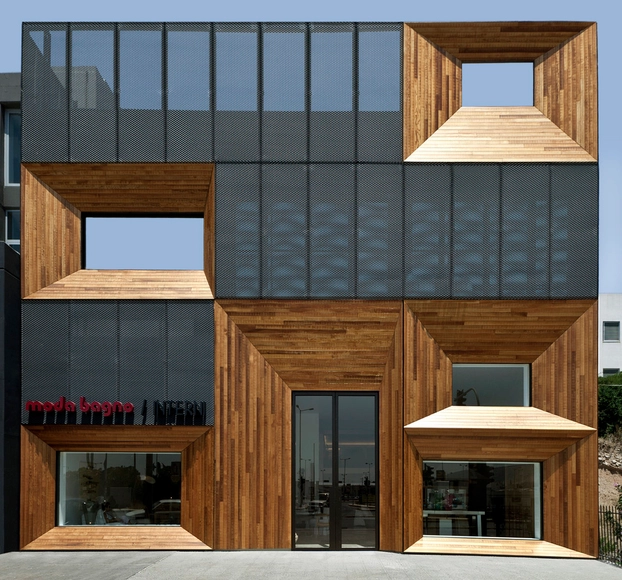


https://www.archdaily.com/181894/moda-bagno-interni-store-k-studioMegan Jett
Salewa Headquarters / Cino Zucchi Architetti and Park Associati


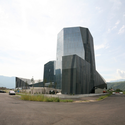
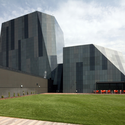

-
Architects: Cino Zucchi Architetti and Park Associati
- Area: 30595 m²
- Year: 2011
-
Manufacturers: Fidelity, Guardian Glass, Holzbau, Kone, MARAZZI, +2
https://www.archdaily.com/179959/salewa-headquarters-cino-zucchi-architetti-with-park-associatiChristopher Henry
Ferrari Factory Store / Iosa Ghini Associates
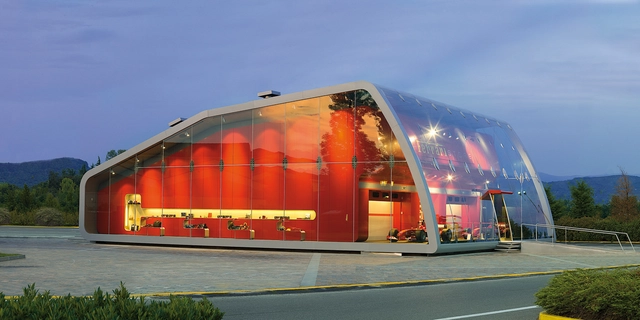




-
Architects: Iosa Ghini Associates
- Area: 370 m²
https://www.archdaily.com/178388/ferrari-factory-store-iosa-ghini-associatesMegan Jett
Mob-ile Parliament / Andrew Maynard

Australia-based Andrew Maynard has shared a new type of governmental building with us with a project that is as much a statement about pushing the realm of architecture forward, as it is a reaction to political happenings and the need for change. This adaptable architecture builds upon the irony of a democracy where elected representatives supposedly represent the voice of the people, yet, the occupied governmental spaces are “fortified and spatially manipulated to the benefit of the representative rather than those represented.” By allowing the represented to interact with the spatial qualities of the representatives, Maynard’s mobile and adaptable structure becomes a ” democratic architecture.”
More images and more about the project after the break.
https://www.archdaily.com/179297/mob-ile-parliament-andrew-maynardKaren Cilento
The POD / Hijjas Kasturi Associates Sdn with Studio Nicoletti Associati


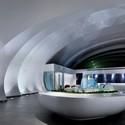
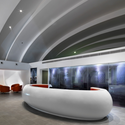
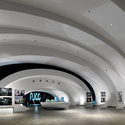

https://www.archdaily.com/176122/the-pod-hijjas-kasturi-associates-sdn-with-studio-nicoletti-associatiChristopher Henry
MOPTT Building in La Serena / Teodoro Fernández Arquitectos

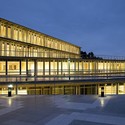
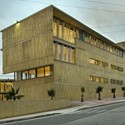
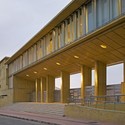
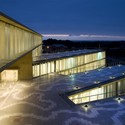

-
Architects: Teodoro Fernández Arquitectos
: Teodoro Fernández Arquitectos / Teodoro Fernández Larrañaga, Sebastián Hernández Silva, Milva Pesce Traverso - Area: 10000 m²
https://www.archdaily.com/176126/moptt-building-in-la-serena-teodoro-fernandez-arquitectosMegan Jett
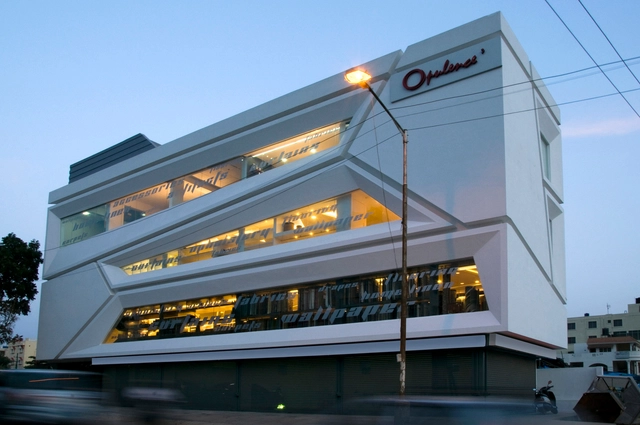
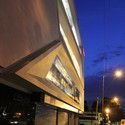
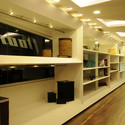


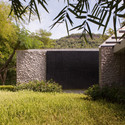
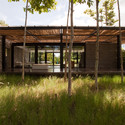
Botanica Sales Office & Showrooms / Vin Varavarn Architects




-
Architects: Vin Varavarn Architects
- Area: 358 m²
- Year: 2011
https://www.archdaily.com/174383/botanica-sales-office-showrooms-vin-varavarn-architectsAmber P