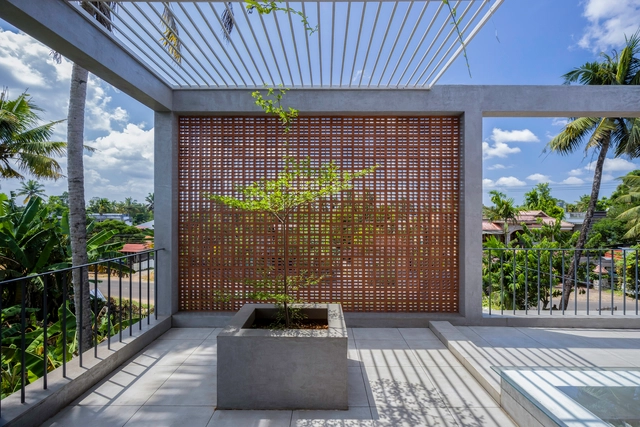
The backyards, outdoor areas usually located at the back of the lot, are spaces dedicated to rest, entertainment and family interaction. Its setting is essential to guarantee the warmth and comfort we seek in our homes. At the same time, as they are areas exposed to rain, sun and, sometimes, snow, they also need to have resistant, durable and easy-to-maintain materials.
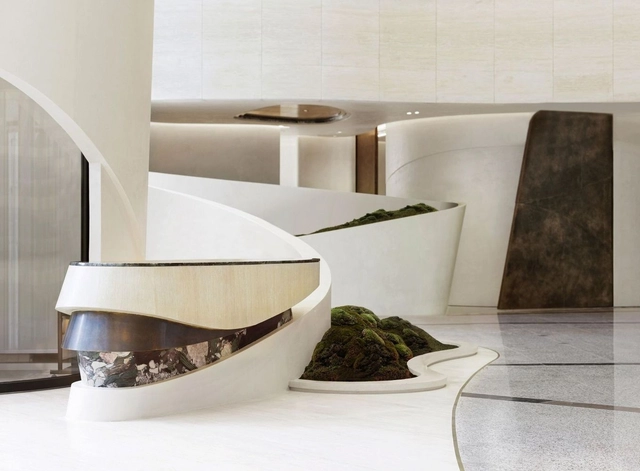
When thinking of marble, we often associate the material with ancient Greek sculptures, Classical architecture, or the Italian Renaissance. Monumental landmarks such as the St. Peter’s Basilica or the Taj Mahal, have positioned marble as an elite and timeless material that stands the test of time. And in today's conversations about the future of construction materials, amid sustainability, feasibility, and affordability, the natural stone remains high-caliber. In this interior focus, we’re taking a look at marble between the past, present, and future.
The threshold is a constructive element of the floor that serves to finish when there is a notable change in material or level. Much more prominent in the past, the piece today has a more discreet presence in architecture.
The thresholds and transition strips are applied directly to the floor and are responsible for making the transition when there is any change in the built space, whether it is in level, in the type of floor, or even when there is a door or passage.
If, on the one hand, bathrooms have a certain rigidity when we think about the layout and their spatial arrangement, it is in the floor and wall coverings that this logic is inverted. With the wide variety of models and patterns available on the market, ceramic tiles and porcelain tiles are often used to give quality and identity to space. At the same time, the ease of access to ceramic and porcelain tiles, as well as their ease of installation, end up conditioning our choices, making it difficult to think of other finishing possibilities for these areas.
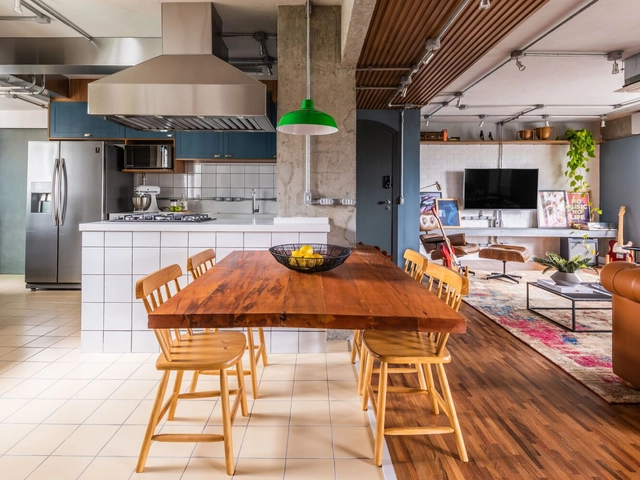
The floor is one of the largest areas of coverage of an environment, and therefore, its choice goes through several criteria related to both aesthetic and visual identity issues, as well as technical issues of resistance and maintenance. It is common to use different floors for areas with different uses and often this transition is not marked by walls or doors. Next, we will bring you tips on how to make this transition harmoniously when there is no physical boundary between the floors.
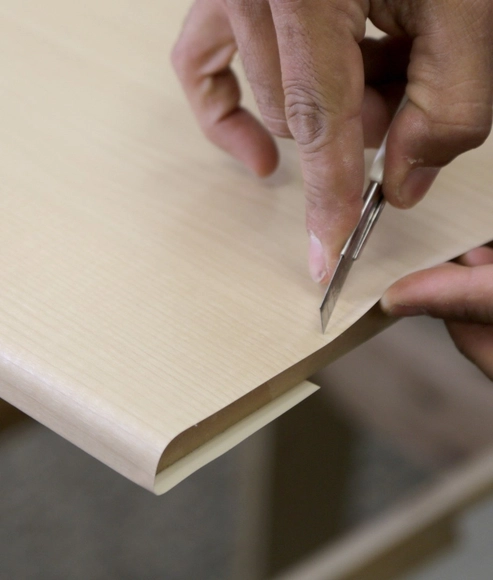
The outer layer of surfaces and buildings is the interface with the world and communicates much of its appearance, characteristics, and conditions. There are times that, whether due to budget constraints, difficulties, or lack of time, we need to look for quick and easy-to-install solutions. 3M™ DI-NOC™ Architectural Finishes are adhesive decorative films that offer a sustainable, cost-efficient option for refurbishing surfaces, providing less landfill waste, minimal downtime, noise, and dust for use on casework, doors, columns and internals walls. There is also a version for exterior solutions, the 3M™ DI-NOC™ Architectural Finishes Exterior EX Series product line. The finishes can be applied directly over existing façade material, providing high design along with other features. Below we will explore two examples that will highlight the possibilities with 3M surface finishes.
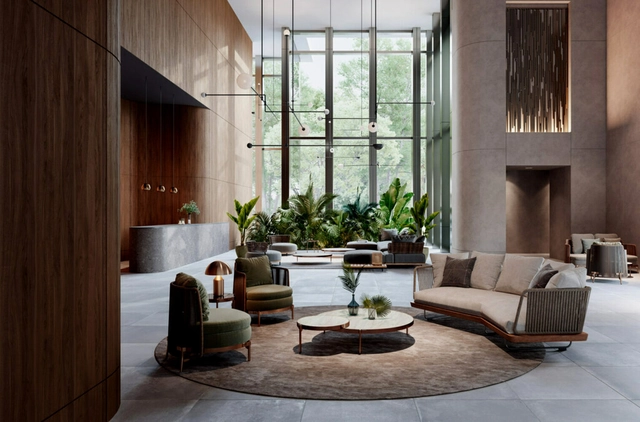
Textures play a leading role in an interior project. Metals bring integrity and sophistication. Stones and their variations in colors and designs can become focal points in spaces. Different wood types, with their fiber and knot designs, and their characteristic coloring, bring warmth and comfort. If we think about the combination of these, together with different types of surfaces and lighting, we have a universe of possibilities to try to bring pleasant sensations to the occupants of the spaces.
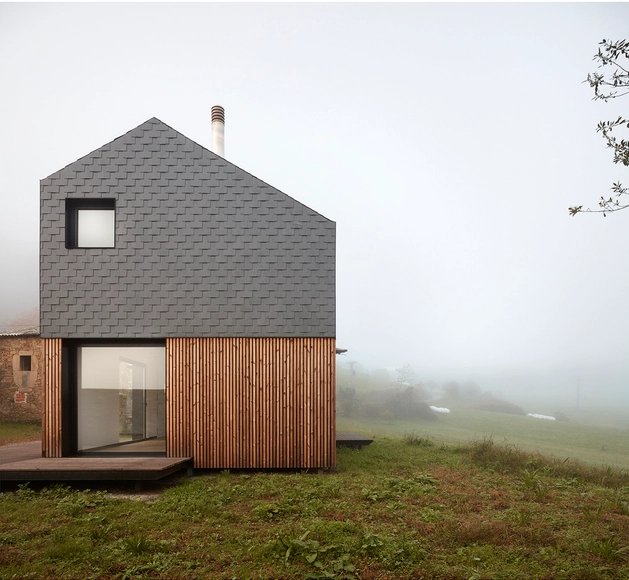
Every child has drawn a house. Perhaps a sunny day with some clouds, a leafy tree, a family with a dog, low wooden fences, or even a car. But in these drawings, they will almost certainly draw a simple rectangle with a gable or hip roof. This archetype of the house appears in virtually all cultures, and even today many architects use it for contemporary projects.
In addition to the primary function of draining rainwater and snow, and thus protecting the building from the weather, roofs can be an important aesthetic device for composing a project. In modern architecture, waterproof roof slabs emerged as a popular alternative, but sloping roofs have continued to captivate both clients and architects. In this article, we will cover the various types of roofs and, more specifically, the manufacturing process and characteristics of natural slate tiles.