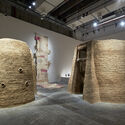
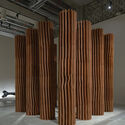
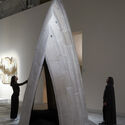
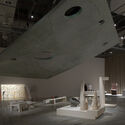
Following a seven-year pause, Amman Design Week returned in 2026 under the theme "Accumulations," bringing together designers, makers, and cultural practitioners to reflect on the work shaping Jordan's design landscape. The fourth edition, held from October 2 to 17, 2026, marked a new chapter for the event, with architects Sarah Hejazin and Bisher Tabbaa, founders of the architecture and design practice FADAA, serving as co-directors. Their appointment also brought their research-driven approach to the event's broader program, which explored the relationships between daily practices, cultural memories, and material environments. During the event, we had the opportunity to speak with Sarah Hejazin and Bisher Tabbaa about the thinking behind this year's theme, their approach to material investigations, and how practicing in Jordan informs their work across architecture, objects, and public space.
Fadaa: The Latest Architecture and News
"Nothing Starts From Zero": In Conversation With Sarah Hejazin and Bisher Tabbaa of FADAA
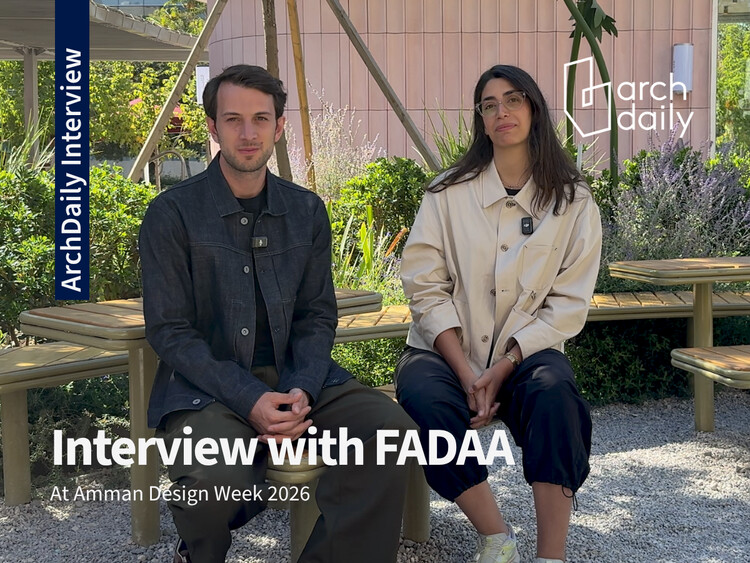
What Accumulates? Lessons on Materiality, Memory, and Public Space from Amman Design Week 2026

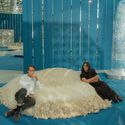
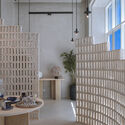
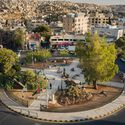
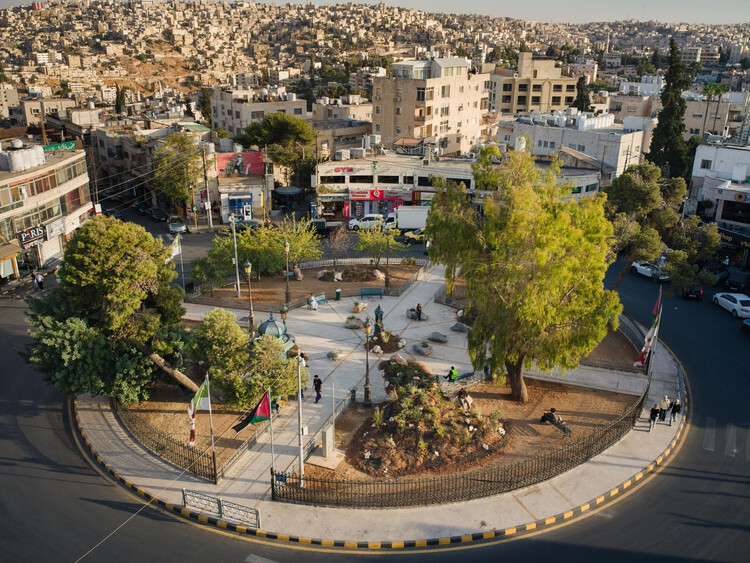
After a seven-year pause, Amman Design Week returned to Jordan with a premise that feels closely tied to the city itself: that nothing is ever entirely new. Under the theme "Accumulations," the fourth edition of the biennial event brought together more than 220 designers, makers, architects, and collectives across exhibitions, public interventions, talks, workshops, and performances from October 2 to 17. The premise was particularly relevant to Amman, a city whose architecture has been shaped by waves of construction, migration, adaptation, and reuse, where accumulation is not simply a metaphor.
Design Doha Prize: A Platform for Innovative Design in the MENA Region

Last Monday I got on a Berlin to Doha flight, a usual route given how Qatar has positioned itself as an effective hub connecting east and west. But this time Doha was not the connection, it was the destination.
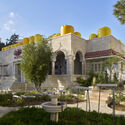
A series of recent projects showcase the direction that the emirate is building towards, based on its heritage and the richness of its desert and coast, while focusing on culture and education, aiming for a sustainable development model. Again, its status as a hub facilitates global events such as the 2022 FIFA World Cup or the 2023 Doha Horticultural Expo. All of this has led to a growing number of remarkable architectural projects in the country that I was eager to explore, from the National Museum of Qatar by Jean Nouvel, the Museum of Islamic Art by I.M. Pei, the Qatar National Library by OMA, its Metro network by UN Studio or the Msheireb Downtown District by Allies and Morrison, AECOM and Arup, a compact walkable district that set an example for urban development in the region.
Arab Designers Crafting their Own Narrative: Design Doha 2024 Explores Identity and Innovation
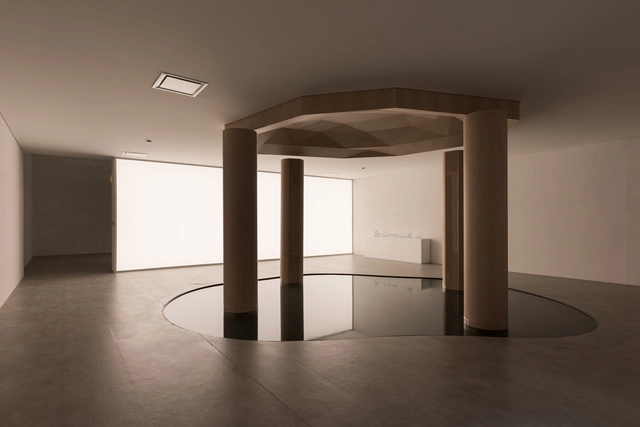
Establishing a platform in the Arab world, Design Doha 2024 debuted its inaugural edition in Doha, Qatar. Facilitating dialogues between designers, the event challenges the misconception that the Arab world is composed of a singular culture. It highlights, therefore, the diversity of populations, landscapes, and histories it encompasses.
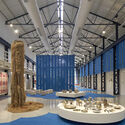
Centered on "Arab Design Now," a regional survey showcasing the works of over 70 Arab designers, featuring 38 commissioned pieces, Design Doha is running from February 24 to August 5, 2024. ArchDaily had the opportunity to talk to Rana Beiruti, curator of the main exhibition, during the event's opening, to grasp the significance of the biennial and delve into some of the key installations, exploring the stories behind these interventions, learning about the designers involved, and gaining insights into their creative processes.