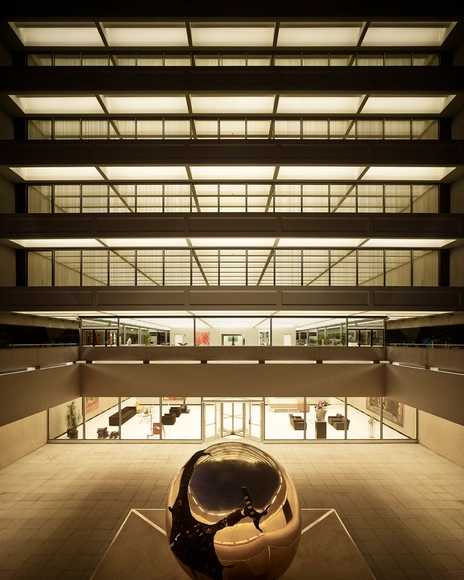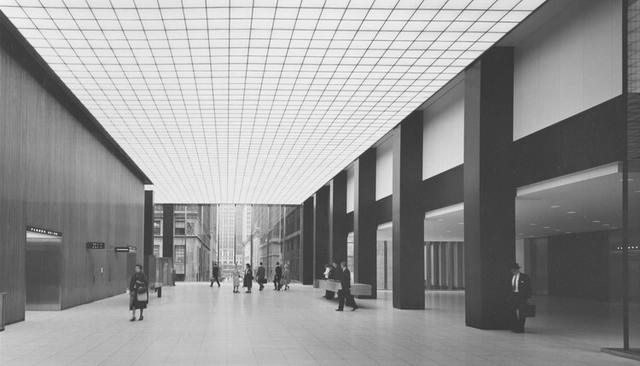
Ezra Stoller

BROWSE ALL FROM THIS PHOTOGRAPHER HERE

A Woman Architect in the Mad Men Era: The Story of Natalie De Blois

On January 21, 1958, three women sat down as contestants for an episode of the popular television show "To Tell the Truth", a quiz game in which a panel tries to guess which of the three contestants is who they say they are by asking them a series of questions. The announcer reveals the true identity of the person is a registered architect, has so far designed a Hilton hotel, and is a married mother of four. Each of the women, dressed formally in pencil skirts and blouses, introduces themselves as Natalie De Blois. As the panelists reveal their lack of knowledge about architecture, only firing off questions about Frank Lloyd Wright, one asks "What is the name of the building that was torn down to build Union Carbide?" The real Natalie De Blois, at the time a senior designer at SOM, firmly answers, "Hotel Margery."

Architecture is one of the oldest recorded professions, dating back to ancient eras when builders designed historic huts and constructed some of the great wonders of the world. When we think about women who have been known as trailblazers of the industry, it's astonishing that we often talk about women who we may interact with in the workplace day to day, or who our mentors may have learned from. Natalie De Blois was a modern-day pioneer of women in the design workforce, and although her legacy began only seventy years ago, it has significantly changed the way that women can participate in the profession today.
A Tale of Two Buildings: The Argument Behind Preservation and Reuse

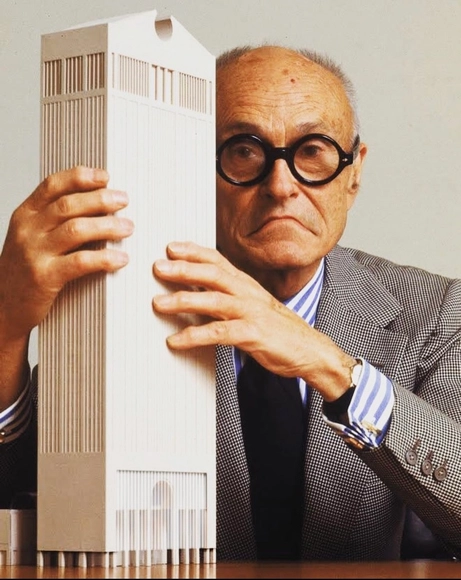
In the 20th Century, New York City became an epicenter of newly constructed buildings that quickly gained an iconic status. While they greatly influenced new ways that we think about aesthetics and space, many of them met their demise less than 60 years after their commissioning. It seems that in the modern age of mass development, and where a wrecking ball symbolizes progress forward, no building is safe. The tenacity to tear down even these structures deemed to be culturally significant speaks to how architects are quick to dismiss ideas about how long we plan for buildings to live and how we decide when its time for them to come down.

Eliel and Eero Saarinen: The Sweeping Influence of Architecture's Greatest Father-Son Duo

Subscriber Access | 
Eliel and Eero Saarinen: The Sweeping Influence of Architecture's Greatest Father-Son Duo - Image 5 of 4
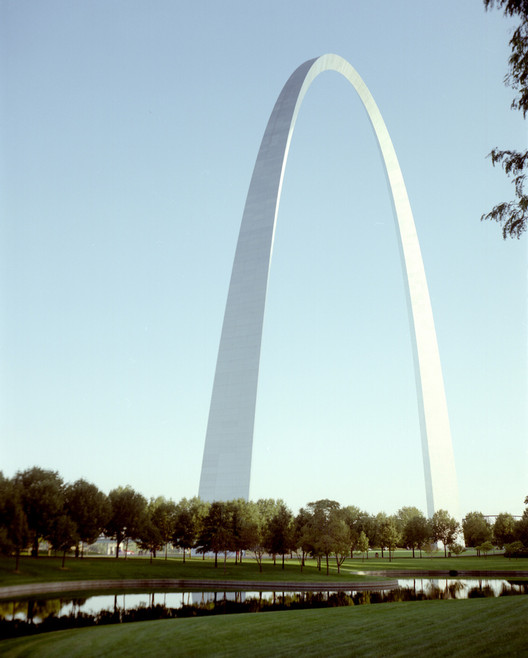
St Louis Gateway Arch. Image © Flickr user jeffnps licensed under CC BY 2.0

It is rare for a father and son to share the same birthday. Even rarer is it for such a duo to work in the same profession; rarer still for them both to achieve international success in their respective careers. This, however, is the story of Eliel and Eero Saarinen, the Finnish-American architects whose combined portfolio tells of the development of modernist architectural thought in the United States. From Eliel’s Art Nouveau-inspired Finnish buildings and modernist urban planning to Eero’s International Style offices and neo-futurist structures, the father-son duo produced a matchless body of work culminating in two individual AIA Gold Medals.

Eliel and Eero Saarinen: The Sweeping Influence of Architecture's Greatest Father-Son Duo - More Images+ 17

American Enterprise Group National Headquarters Renovation / BNIM

American Enterprise Group National Headquarters Renovation  / BNIM - More Images+ 17

AD Classics: Whitney Museum / Marcel Breuer

AD Classics: Whitney Museum / Marcel Breuer - More Images+ 10