1. ArchDaily
  2. Evangelos Kotsioris

Evangelos Kotsioris: The Latest Architecture and News

Kashef Chowdhury/URBANA Receives the First Ambasz–MoMA Annual Prize for Nature–Reconciled Architecture

Audio available

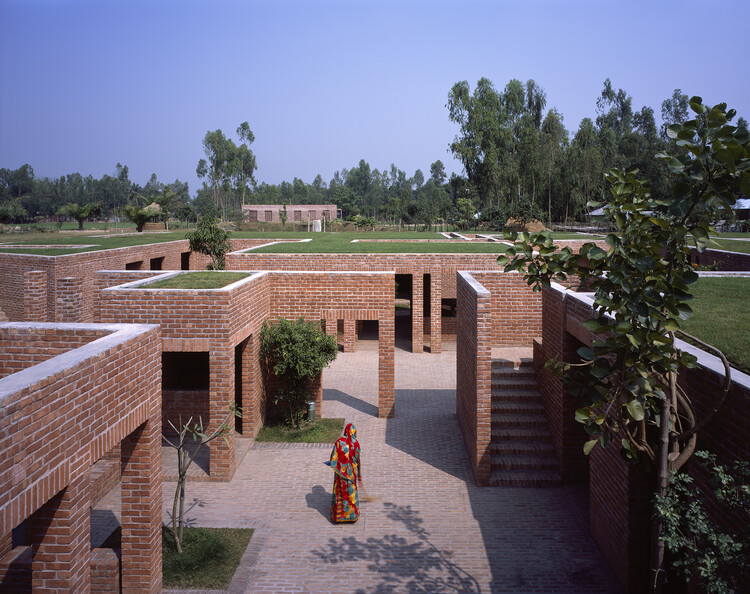
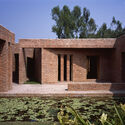
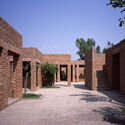
The Museum of Modern Art (MoMA) has selected Kashef Chowdhury/URBANA as the recipient of the first Ambasz–MoMA Annual Prize for Nature–Reconciled Architecture. The prize goes to the Dhaka-based architectural office for the design of the Friendship Centre, a rural training facility in Gaibandha, Bangladesh, inspired by one of the country's oldest urban archaeological sites. The prize, which MoMA describes as the largest award for a single architecture project, aims to recognize architectural practice while supporting tangible environmental action. Eligible projects may have been completed anywhere in the world in the past 30 years and must be considered exemplary in repairing architecture's relationship with nature. On this occasion, the $200,000 award is shared between the architect and the Fundación Gran Chaco, a nonprofit organization in Formosa, Argentina, which will plant trees in the Gran Chaco forest in the name of the project's client, the Friendship NGO, to contribute to reforestation efforts.
Kashef Chowdhury/URBANA Receives the First Ambasz–MoMA Annual Prize for Nature–Reconciled Architecture - 1 的图像 4Kashef Chowdhury/URBANA Receives the First Ambasz–MoMA Annual Prize for Nature–Reconciled Architecture - 2 的图像 4Kashef Chowdhury/URBANA Receives the First Ambasz–MoMA Annual Prize for Nature–Reconciled Architecture - 3 的图像 4Kashef Chowdhury/URBANA Receives the First Ambasz–MoMA Annual Prize for Nature–Reconciled Architecture - 4 的图像 4Kashef Chowdhury/URBANA Receives the First Ambasz–MoMA Annual Prize for Nature–Reconciled Architecture - More Images

Details About Colomina and Wigley's 3rd Istanbul Design Biennial—"Are We Human?"—Revealed

The 3rd Istanbul Design Biennial, which will officially open on the 22nd October 2016 and last for four weeks, will ask the question: Are We Human? Encompassing a wide range of ideas related to The Design of the Species, from timeframes of 2 Seconds to 2 Days, 2 Years, 200 Years and 200,000 Years, the international show will revolve around one pressing provocation: that design itself needs to be redesigned. It will do so by exploring the intimate relationship between the concepts of "design" and "humanity."

Five primary venues—the Galata Greek Primary School, Studio-X Istanbul and Depo in Karaköy, Alt in Bomonti, and the Istanbul Archaeological Museums in Sultanahmet—will house more than 70 projects by designers, architects, artists, historians, archaeologists and scientists from thirteen countries. In order to "rethink design from the very beginning of humanity," the Biennial will be organised into four overlapping “clouds” of projects: Designing the Body, Designing the Planet, Designing Life, and Designing Time.

Details About Colomina and Wigley's 3rd Istanbul Design Biennial—"Are We Human?"—Revealed - Image 1 of 4Details About Colomina and Wigley's 3rd Istanbul Design Biennial—"Are We Human?"—Revealed - Image 2 of 4Details About Colomina and Wigley's 3rd Istanbul Design Biennial—"Are We Human?"—Revealed - Image 3 of 4Details About Colomina and Wigley's 3rd Istanbul Design Biennial—"Are We Human?"—Revealed - Image 4 of 4Details About Colomina and Wigley's 3rd Istanbul Design Biennial—Are We Human?—Revealed - More Images+ 2