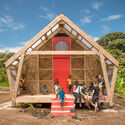
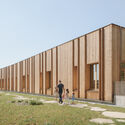
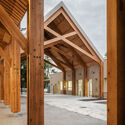
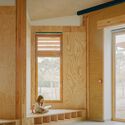
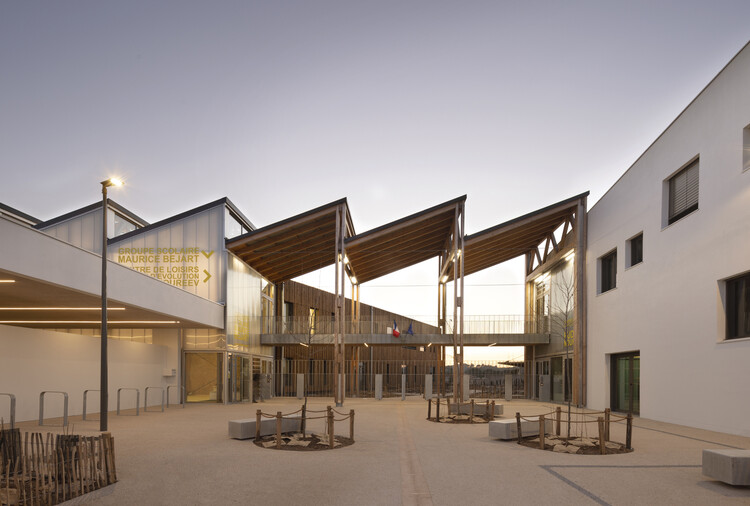
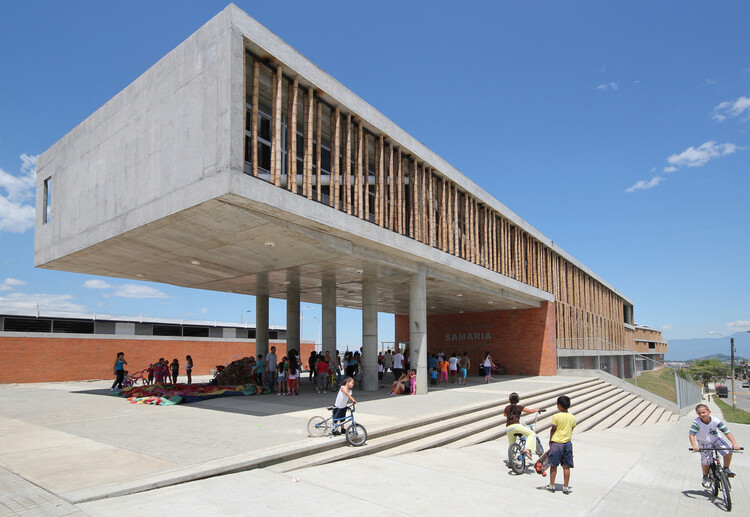
Over the past decades, timber has expanded its presence in contemporary architecture—driven both by the development of new construction technologies and by the rediscovery of traditional building techniques, all with a focus on lower-impact environmental solutions. Schools are among the building types that best reflect this movement: it is in these environments that the environmental, constructive, and sensory qualities of timber find particularly fertile ground.