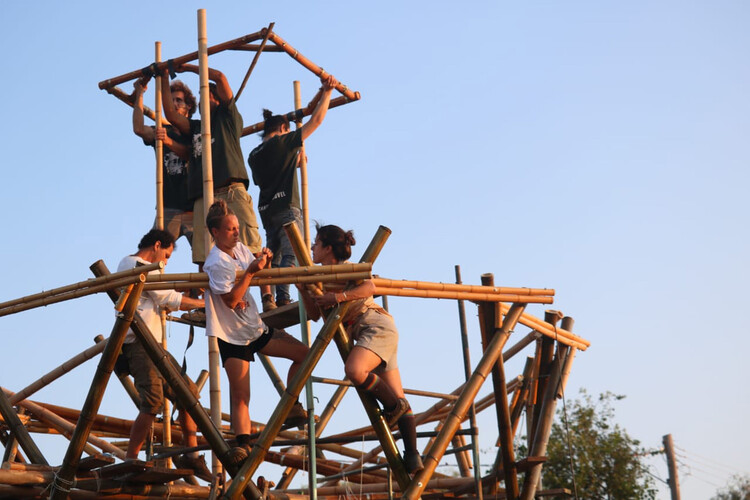
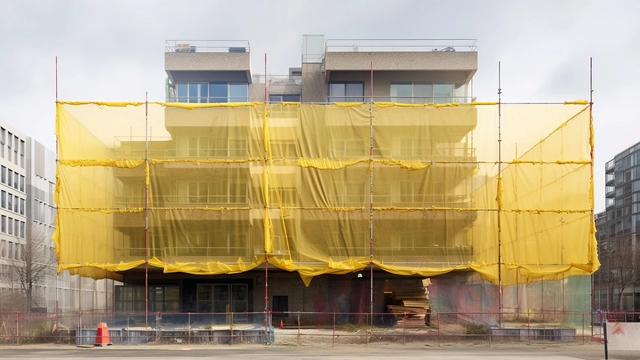
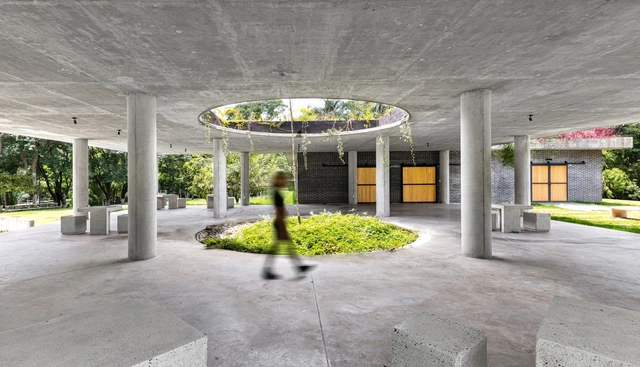
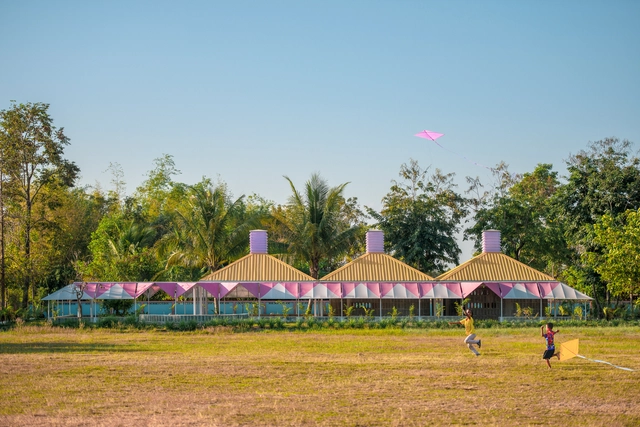
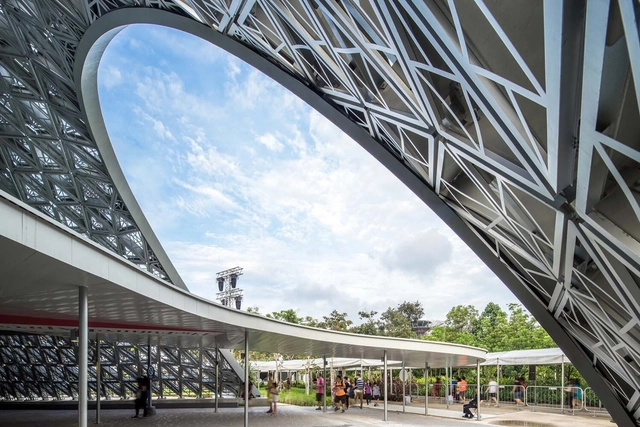
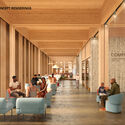
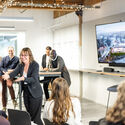
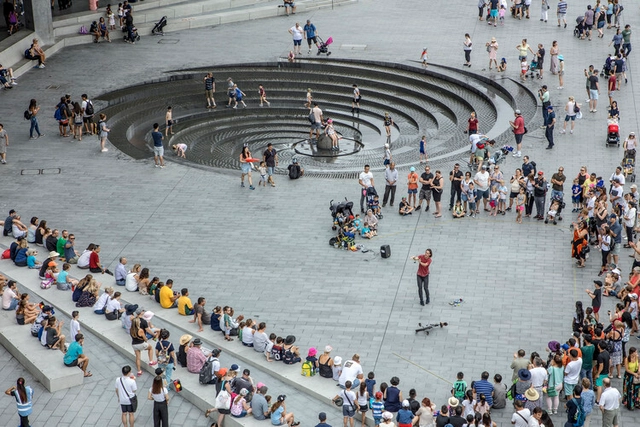
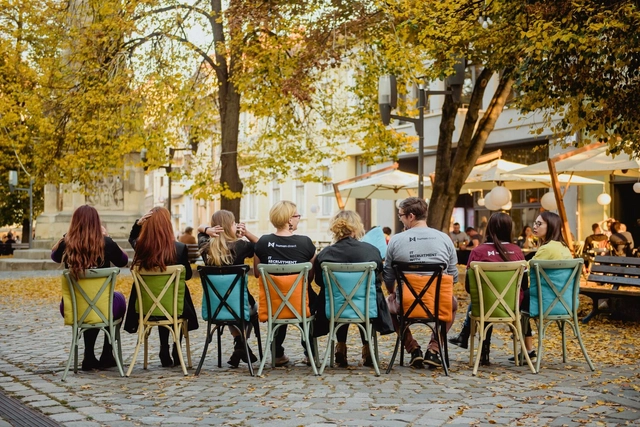
Construction group for the Circo-lô at the IDE Association, in Botucatu | SP. Photo: Tomaz Lotufo
Historically, the first universities in the contemporary model were established in Europe to educate elites for the State and the Church, rather than to promote social emancipation. With the rise of capitalism, they became privileged centers for producing and reproducing modern Western culture. However, from the 1960s onward—particularly after the student uprisings of May 1968—the academic focus shifted toward market-oriented values, displacing humanist and critical ideals. The humanities lost prominence, while technical fields gained central importance, often at the expense of reflecting on the social impact of their work.
HouseEurope!, a registered non-profit organization focused on promoting the social and ecological transformation of Europe's built environment, has received the 2025 OBEL Award. Presented annually by the Henrik Frode Obel Foundation, the award recognizes architectural contributions with the potential to drive meaningful change. Aligned with this year's theme, "Ready Made," the OBEL Award Jury selected HouseEurope! for its efforts in raising awareness and fostering public engagement around the need for a shift in construction and housing practices across Europe.
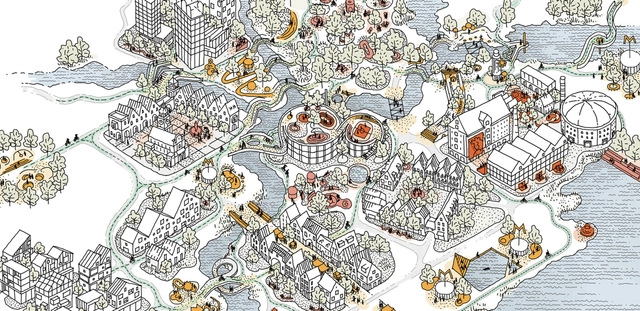
Henning Larsen has just launched a new initiative in Esbjerg, Denmark, aimed at rethinking urban spaces through the perspectives of teenage girls. Developed in collaboration with Esbjerg Municipality, Ramboll, Catapult Projects, and KOMPAN, the project builds on research from the Urban Minded framework to explore how co-creation can shape more inclusive public environments. Supported by a 2.3 million DKK grant from the Villum Foundation and 485,000 DKK from the Ramboll Foundation, the initiative seeks to address an often-overlooked demographic in urban planning. As cities continue to evolve, conversations around gender-inclusive urban spaces have gained momentum, particularly in light of International Women's Day.
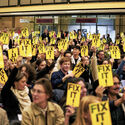
HouseEurope! is the European Citizens' Initiative advocating for EU legislation to simplify, reduce the cost of, and make more socially equitable the renovation and reuse of existing buildings, has officially begun its signature gathering period. The initiative aims to curb demolition driven by speculation and foster a construction industry that prioritizes the potential of existing public and private buildings. As a tool of direct democracy, European Citizens' Initiatives allow citizens to propose legislation at the EU level. For the legislation to be officially considered and implemented by the European Commission and EU member states, it requires the support of 1 million European citizens from at least seven EU countries. The initiative opened for signatures on February 1st, 2025 and will remain open until January 31st, 2026.
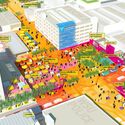
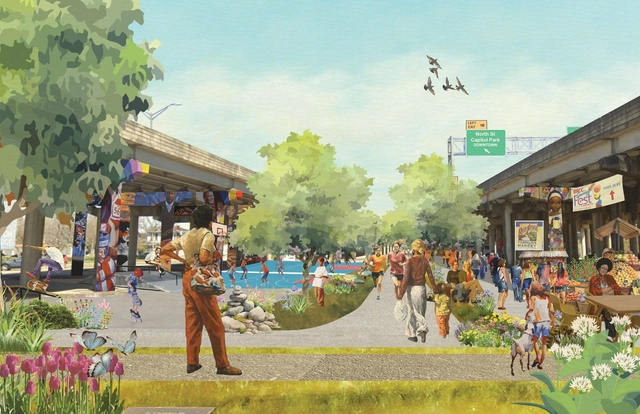
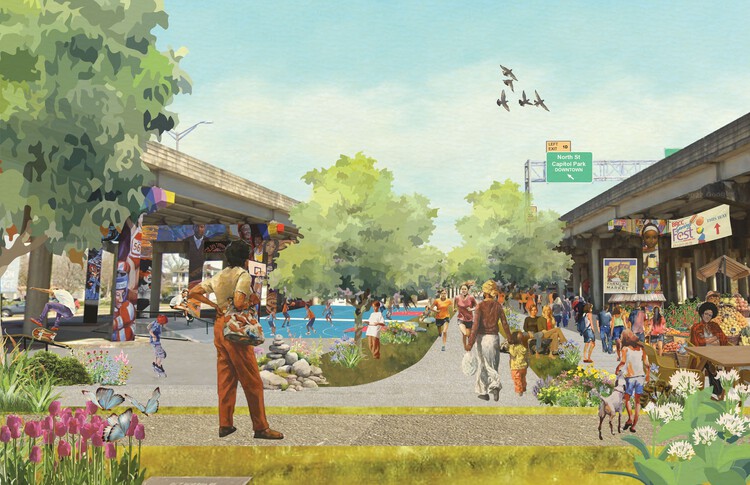
Global design firm Perkins&Will has just announced final plans have been approved for the Florida Corridor Plan in Baton Rouge, Louisiana, on which the firm is the leading planner and urban designer. This initiative, recently approved by the East Baton Rouge Metropolitan Council, aims to transform and rejuvenate a 12-mile stretch connecting downtown Baton Rouge to the Livingston Parish line.
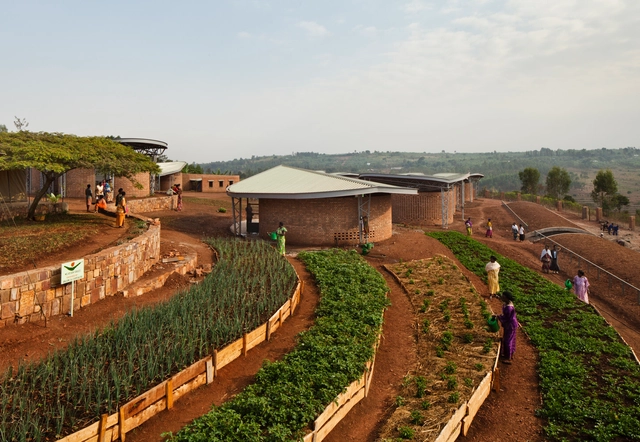
Community Development Center in Tapachula / Laboratorio de Acupuntura Urbana. Image
How do community centers emerge? Why do they often represent a need for the appropriation and development of society? In the pursuit of improving the quality of life in the most vulnerable communities, community centers present themselves as an alternative capable of providing healthcare, educational, cultural, and recreational services, along with spaces that contribute to the present and future development of communities. In Mexico, numerous community centers are created and supported by government institutions, civil foundations, or private companies, as well as co-management initiatives that aim to integrate children, youth, adults, and older adults into spaces for gathering, socializing, and recreation, where they can engage in activities from learning to developing individual and collective skills.
Increasingly, the concept of social sustainability has become a central theme in contemporary architecture discussions as users' subjective and non-static needs become paramount in the design process. Social sustainability in architecture aims to design and construct buildings and urban spaces that promote well-being, inclusion, and community cohesion. It focuses on creating environments that enable positive human interactions, support diverse needs, and improve the overall quality of life for people who inhabit and use these spaces. Socially sustainable architecture considers the social, cultural, economic, and health aspects of a community to address societal challenges and provide long-term benefits to residents.
Cities are a canvas for architectural creativity and the dynamism of urban life. In recent years, they have taken on an additional role: that of living laboratories for innovative architecture and urban design. International cities have become experimental grounds for architectural technology, sustainable practices, and human-centered design principles to be tested and refined. This paradigm shift has not only transformed the physical aspects of urban environments but has also redefined the relationship between architecture, community, and the built environment.
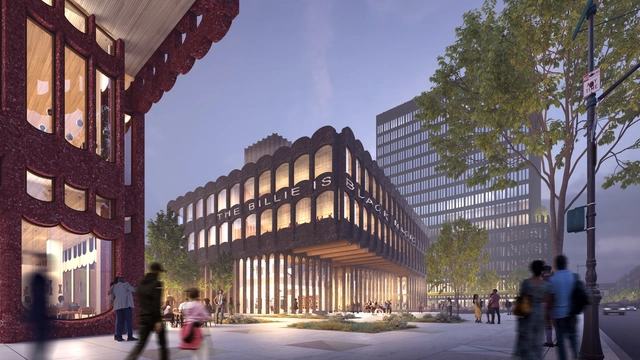
Sir David Adjaye unveils new plans for the new Bedford Stuyvesant Restoration Corporation in Central Brooklyn. This center is the first-ever community development institution in the country, established in 1967. The scheme envisions a space that accelerates wealth creation and closes the racial wealth gap that has affected the United States.
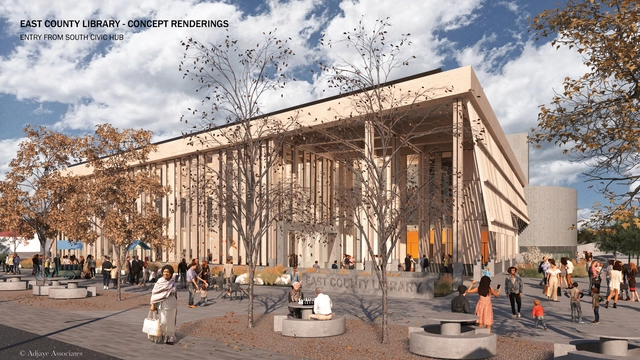
Adjaye Associates, in collaboration with Holst Architecture, the prime architect of record, have unveiled the first renderings for the new East County Library in Portland, Oregon, a new facility that will provide a diverse range of services and programming. The design of the 95,000-square-foot building is informed through extensive community engagement and feedback. Several local organizations aid these efforts by organizing public community events, focus groups, teen outreach, and surveys. As the project is currently in the schematic design phase, the images presented are early drafts, likely to change to reflect the input received.
In recent years, the term “co-creation,” a buzzword in the business and management sector, has made its way into the architecture and urban planning discourse. The termis used to define a large concept that describes working intentionally with others to create something jointly. But architecture is already the result of a collaboration between multiple actors, architects, clients, investors, developers, and local administration, to name a few. Can the term still apply to this field, can it bring forth new forms of knowledge, and does it differ from the concept of participatory design?
ICLEI Circulars has launched a new practical Equitable Transitions Guidebook to help cities make sure that their urban development projects are equitable for all groups of citizens. The guidebook is based on multiple case studies from cities worldwide under the Urban Transitions Alliance project. The guide’s purpose is to provide insights, recommendations, and tools for city practitioners to understand better and unpack what social equity means at the local level. The publication is free to download.
Participatory design is a democratic process that aims to offer equal input for all stakeholders, with a particular focus on the users, not usually involved directly in the traditional method of spatial creation. The idea is based on the argument that engaging the user in the process of designing spaces can have a positive impact on the reception of those spaces. It eases the process of appropriation, helps create representative and valuable spaces, and thus creates resiliency within the urban and rural environment.
“Pop-Up,” “DIY,” “Kickstarter” “LQC” (That’s lighter, quicker, cheaper for the unfamiliar). Urbanisms of the People have been getting awfully catch-phrasey these days. What all these types of DIY Urbanisms share is a can-do spirit, a “Hacker” mentality: people are taking back their cities, without any “expert” help.
Unfortunately, of course, this mindset creates an anti-establishment (often, anti-architect) antagonism that would render any wide-spread change nigh impossible. Yes, the DIY movement, facilitated by the use of technology, is excellent for getting people involved, for encouraging important, innovative ideas – in the short-term.
As Alexandra Lange recently pointed out in her post “Against Kickstarter Urbanism,” technology is not a “magic wand,” and crowdsourcing initiatives often fall short in the day-to-day, nitty-gritty work of a large-scale, long-term urban project.
But while technology certainly has its limitations, its potential to facilitate connection and communication is unparalleled. What is vital, however, is that the technology enhance, not replace, our physical relationships. Instead of using online platforms as divisive or purely conceptual forums, they must becomes tools of transparency and trust-building, mediators of a conversation that invests and connects all parties on the ground.