Is it possible to assert the existence of a timeless material in architecture from an aesthetic standpoint? Undoubtedly, wood and concrete emerge as strong contenders, not only due to their representation of the solidity, volume, and mass of buildings but also because they provide a broad range of aesthetic possibilities in projects. Concrete, in particular, exhibits greater malleability in comparison to wood. While wood already offers flexible solutions, such as through CLT systems, concrete is derived from a blend of liquid, powder, and an aggregate—a paste that can be poured into a mold, spread over a surface and shaped into various forms.
Innovation thrives when we pause to observe, question, and reimagine the world around us, turning challenges into opportunities for progress. Nature, in particular, serves as a rich source of inspiration. By observing it, studying its daily challenges, and contemplating its processes, we can discover valuable insights that inspire innovative solutions.
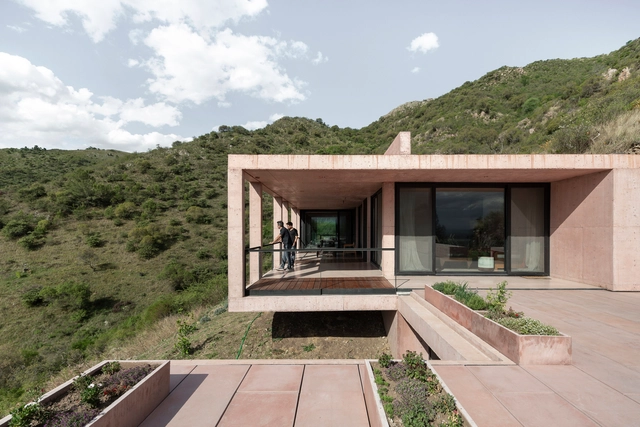
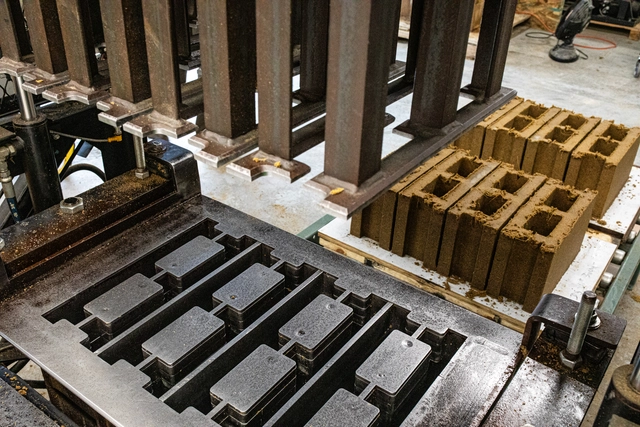
One of these current challenges is the production of concrete, an ancient and extremely popular material that is now accountable for a significant portion of global CO₂ emissions, due to the energy-intensive process of cement production and the chemical reactions involved. It is estimated to be responsible for approximately 8% of the world's annual CO₂ emissions, pumping 11 million tons of CO₂ into the atmosphere every day and consuming 9% of the world's annual industrial water usage. In addition, the world's building stock is expected to double by 2060—the equivalent of building an entire New York City every month for the next 36 years, which means an incredible increase in demand for cement and concrete. Faced with this daunting situation, is there anything we can do? In this article, we speak with Loren Burnett, CEO of Prometheus Materials, which has developed a material that mimics nature's processes to recreate concrete as we know it.
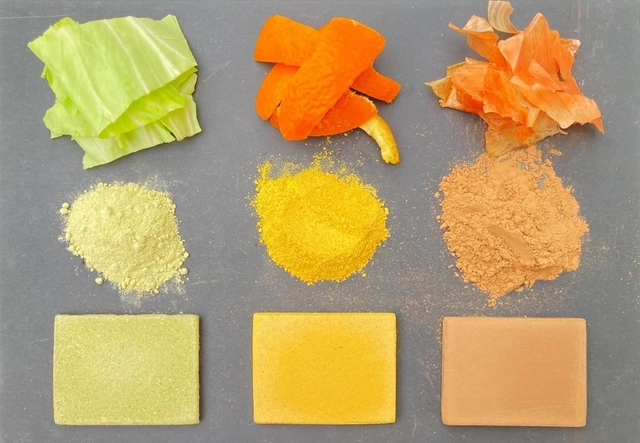
Add cabbage leaves, orange peels, onions, bananas and a few slices of pumpkin to get... cement. That's right, researchers from the University of Tokyo in Japan have developed a technique through which it is possible to produce cement from food waste. Besides being used in construction, the innovative initiative is edible as well. You can make boiled cement into a delicious meal by adjusting flavors, adding seasonings, and breaking it into pieces.
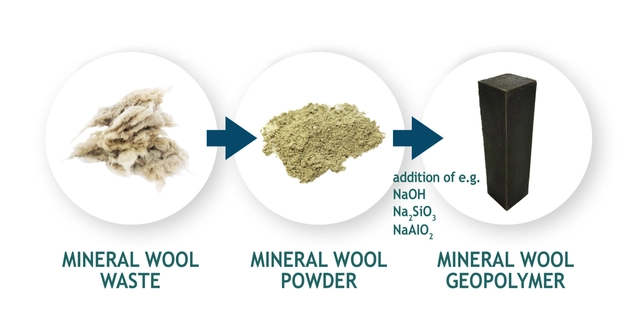
When approaching the process of recycling building materials, there are a number of obstacles to achieving a comprehensive and effective result. First, careless demolition can make the process very complex, as products with different recycling products are often mixed. In addition, not all materials can be efficiently recycled or processed, as many still need expensive or overly complex processes. But the construction industry, being a huge contributor to waste production and greenhouse gas emissions, has also developed multiple new technologies to improve its practices. This is the case of the WOOL2LOOP project, which seeks to solve one of the biggest challenges in applying a circular approach to construction and demolition waste.