1. ArchDaily
  2. Ceiling System

Ceiling System: The Latest Architecture and News

Computational Soundscapes: Sculpting the Visual and Invisible Dimension

 | Sponsored Content

What defines a space first when entering: the sound or the visual impression? Architecture is often communicated through structure and surfaces, yet one of its most essential components moves unseen through the air: sound. It shapes how a space feels long before a wall or ceiling is noticed. Computational design brings these dimensions together, allowing architects and designers to create unique structures where acoustics and aesthetics inform one another rather than exist in parallel. By leveraging advanced algorithms, complex design processes transform into intuitive, accessible solutions that shape bespoke acoustic and visual highlights for every project. This approach combines parametric logic with material innovation, balancing efficiency, sustainability, and expressive design in equal measure.

Climate Ceilings: Combining Thermal, Acoustic and Visual Comfort

 | Sponsored Content

Every day, architects and designers tackle an ambitious task: crafting spaces that not only captivate the eye but that also nurture the health and well-being of those who inhabit them. A key part of this mission involves implementing design strategies that foster a pleasant indoor climate, as temperature, humidity and air quality all have a significant impact on users’ mood, productivity and overall health. Humans simply operate better if they are comfortable and content in their home or working environment. Although air-conditioning, ventilation and heating systems have conventionally served as popular solutions to regulate indoor climate, they often carry with them undesirable consequences –the presence of dust and bacteria, the need for regular maintenance and a cluttered, unappealing look. There is, however, an alternative solution.

Beyond Purely Functional Ceilings: The Possibilities of Modular Felt Systems

 | Sponsored Content

Known as the “fifth wall,” a ceiling is the interior overhead surface that covers the upper limit of a room. Unlike decor, wallpaper, furniture and other pieces that define indoor ambiance, it is not usually emphasized as a crucial design component, often resulting in the classic plain white shade that continues to be the norm in many, if not most, interior spaces. Nonetheless, ceilings can serve multiple purposes in any architectural project. For example, they provide comfort, act as protective surfaces for other building systems, conceal structural elements, and add layers of texture, movement and color. They also allow the enclosure or separation of spaces and contribute to sound diffusion, hence reducing noise transfer between rooms.

Functionality and Aesthetics: Examples of Ceiling Systems in Architectural Projects

Subscriber Access | 

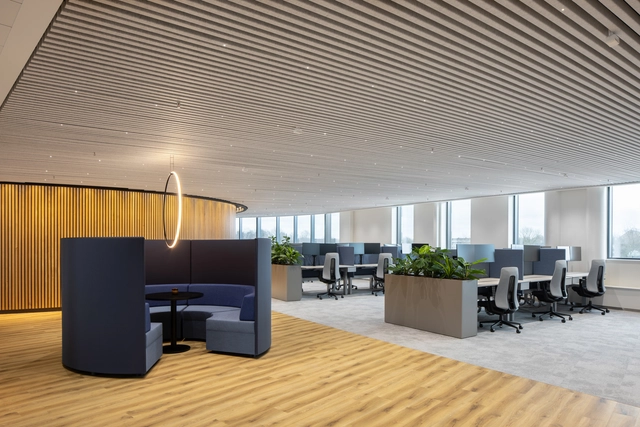
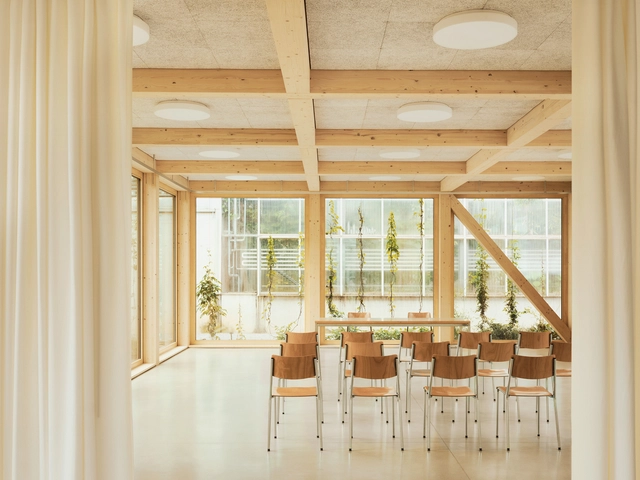
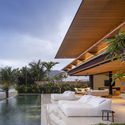
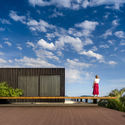
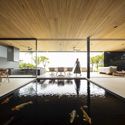
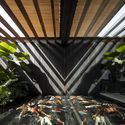
The ceiling is an important element in architecture and interior design, combining functionality with aesthetics through different materials that add layers of texture and color, providing quality and comfort in interior spaces as well as a protective surface for other building systems. 

Functionality and Aesthetics: Examples of Ceiling Systems in Architectural Projects - Image 1 of 4Functionality and Aesthetics: Examples of Ceiling Systems in Architectural Projects - Image 2 of 4Functionality and Aesthetics: Examples of Ceiling Systems in Architectural Projects - Image 3 of 4Functionality and Aesthetics: Examples of Ceiling Systems in Architectural Projects - Image 4 of 4Functionality and Aesthetics: Examples of Ceiling Systems in Architectural Projects - More Images+ 8

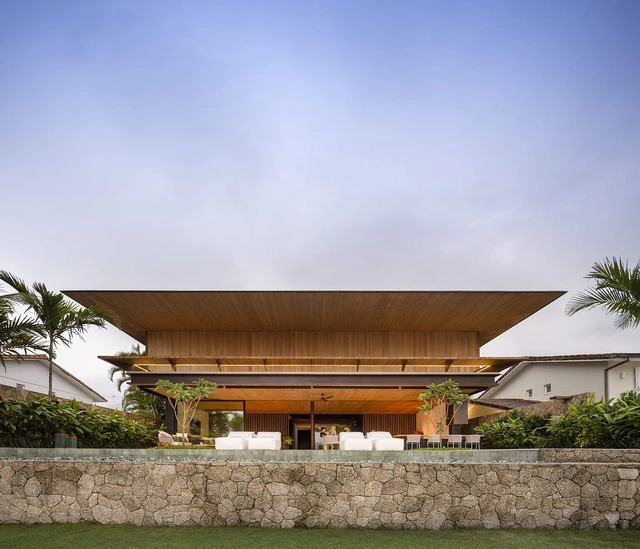
NB Residence / Jacobsen Arquitetura

NB Residence / Jacobsen Arquitetura - Exterior Photography, House InteriorsNB Residence / Jacobsen Arquitetura - Exterior Photography, House Interiors, FenceNB Residence / Jacobsen Arquitetura - Interior Photography, House Interiors, KitchenNB Residence / Jacobsen Arquitetura - Interior Photography, House Interiors, BeamNB Residence / Jacobsen Arquitetura - More Images+ 24

  • Area Area of this architecture project Area:  760
  • Year Completion year of this architecture project Year:  2019

This Innovative Concrete Slab System Uses up to 55% Less Concrete

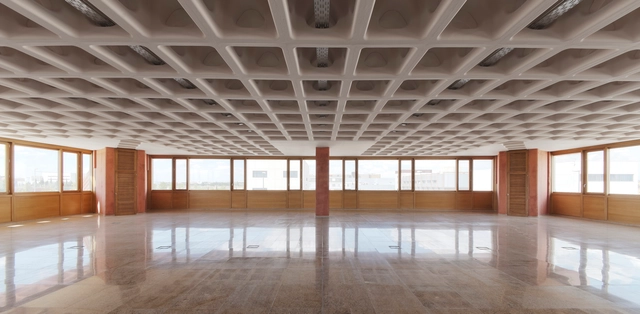
One of the defining images of the 2014 Venice Biennale came from Rem Koolhaas' "Elements of Architecture" exhibition, where a section of a suspended false ceiling, replete with ducts and wiring, was dramatically juxtaposed with the soaring domed ceiling of the Giardini's central pavilion. The gesture was intended as a criticism of architecture's reduction to mere surface treatment - but to the makers of Holedeck, a structural system which recently won CTBUH's 2015 Tall Building Innovation Award, the sins of the typical concrete slab and suspended ceiling are much more far-reaching.

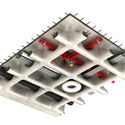
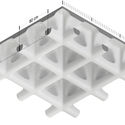
Holedeck's concrete slab system claims to use 55% less concrete than a standard concrete slab, making it significantly more environmentally friendly than standard concrete structures, while reducing the thickness of floor plates to allow a greater number of floors in tall buildings.

This Innovative Concrete Slab System Uses up to 55% Less Concrete - Image 1 of 4This Innovative Concrete Slab System Uses up to 55% Less Concrete - Image 2 of 4This Innovative Concrete Slab System Uses up to 55% Less Concrete - Image 3 of 4This Innovative Concrete Slab System Uses up to 55% Less Concrete - Image 4 of 4This Innovative Concrete Slab System Uses up to 55% Less Concrete - More Images+ 9

Plank & Tile Snap-In panel / Hunter Douglas Contract

Subscriber Access | 
Plank & Tile Snap-In panel / Hunter Douglas Contract - Featured Image

This month, we would like to introduce the Plank & Tile Snap-In panel, a great product from the Ceiling System line of Hunter Douglas Contract.

Box Series / Hunter Douglas Contract

Subscriber Access | 
Box Series / Hunter Douglas Contract - Image 3 of 4

This month we would like to introduce you the Box Series, another product from Hunter Douglas Contract, part of the Linear Ceiling System.