1. ArchDaily
  2. Biopolitics

Biopolitics: The Latest Architecture and News

Guide to Inequalities, 24th Triennale Milano International Exhibition

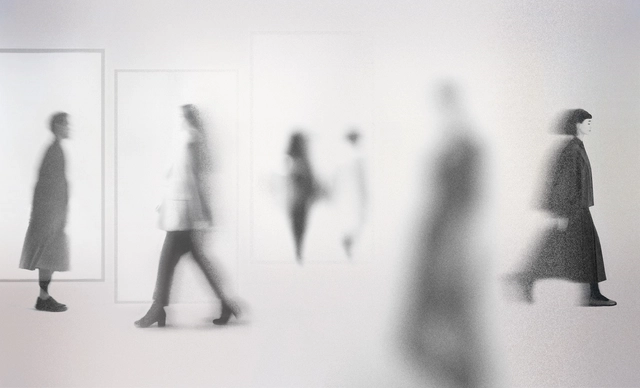
Following two International Exhibitions — Broken Nature: Design Takes on Human Survival (2019), which explored the human relationship with natural phenomena, and Unknown Unknowns (2022), which examined the limits of scientific understanding — Triennale Milano now calls on the global cultural, scientific, and artistic communities to confront the pressing issue of inequality.

In an epoch when the risk of species extinction, war and ever-growing geopoliticaI imbalance loom over our future, lnequalities proposes to look again at the sphere of human relations and the increasing inequalities running through it.
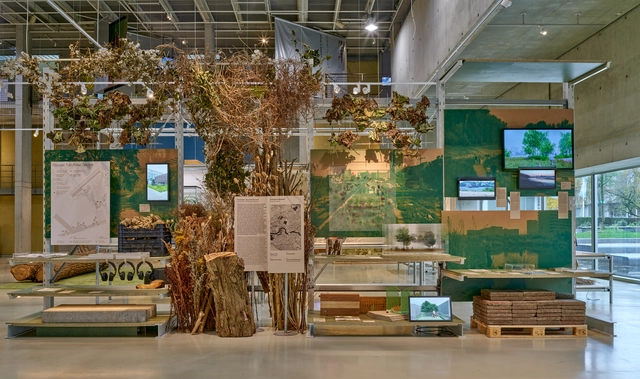
Nieuwe Instituut Hosts "Garden Futures": An Exhibition on Modern Landscape's History and Impact

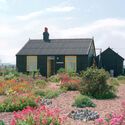
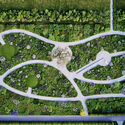
The "Garden Futures" exhibition, currently showing at the Nieuwe Instituut in Rotterdam until April 13, 2025, explores the multifaceted history and future of the modern garden. Curated by Maria Heinrich and spatially designed by Frank Bruggeman, the exhibition presents the garden not only as a personal refuge, but also as a site reflecting broader political and commercial forces. The show's structure, divided into four thematic chapters, allows for a comprehensive exploration of the garden's evolution and its potential for future development.

Nieuwe Instituut Hosts "Garden Futures": An Exhibition on Modern Landscape's History and Impact - Image 1 of 4Nieuwe Instituut Hosts "Garden Futures": An Exhibition on Modern Landscape's History and Impact - Image 2 of 4Nieuwe Instituut Hosts "Garden Futures": An Exhibition on Modern Landscape's History and Impact - Image 3 of 4Nieuwe Instituut Hosts "Garden Futures": An Exhibition on Modern Landscape's History and Impact - Image 4 of 4Nieuwe Instituut Hosts Garden Futures: An Exhibition on Modern Landscape's History and Impact - More Images+ 17

Care Beyond Biopolitics

Subscriber Access | 

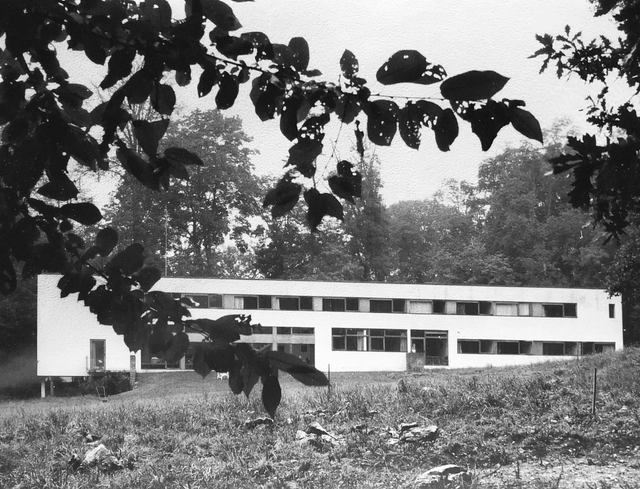
What would it mean to design buildings that exceed the economic accountings of liberal biopolitics, that instead offer an entirely different rationale for supporting health? In the years that Michel Foucault conceptualized the term biopolitics, he was part of a constellation of researchers and architects who developed care praxes that defined the value of life and its maintenance through a desire-based calculus. The welfare state institutions of architect Nicole Sonolet in particular—mental hospitals, public housing complexes, and new village typologies built mainly in postwar France and postcolonial Algeria from the 1950s to the 1980s—were designed not only to support but to center the needs of people often excluded from design processes. Sonolet’s mental health centers for residents of Paris’s 13th arrondissement, in particular, were key projects for discovering a design practice tied to the provision of care for its own sake.

Care Beyond Biopolitics - Image 1 of 4Care Beyond Biopolitics - Image 2 of 4Care Beyond Biopolitics - Image 3 of 4Care Beyond Biopolitics - Image 4 of 4Care Beyond Biopolitics - More Images+ 3