2019 Young Architect Conference

Have you heard of architect Michael Riscica? Radical blogger, podcast host, and educator, Riscica empowers architects-in-the-making. You may have met him on one of his speaking tours where he visited over 50 cities to speak on topics like entrepreneurship and the architect exam. We even featured him as an ARE prep expert here at ArchDaily. Now, Riscica onto his latest groundbreaking venture: The Young Architect Conference.
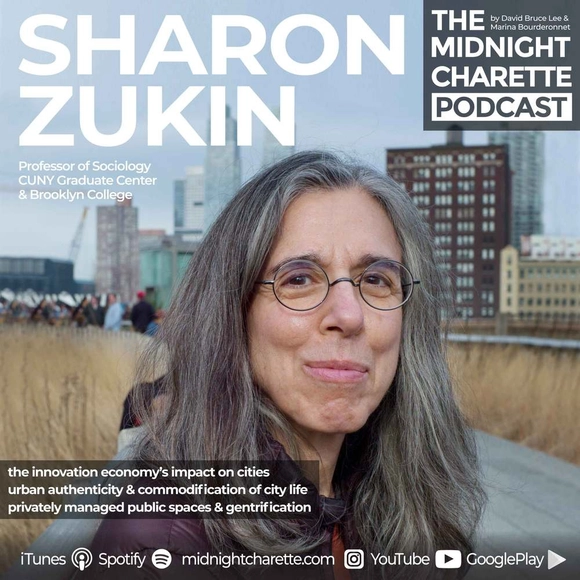
Sharon Zukin on Privately Managed Public Spaces, Gentrification and Urban Authenticity

The Midnight Charette is an explicit podcast about design, architecture, and the everyday. Hosted by architectural designers David Lee and Marina Bourderonnet, it features a variety of creative professionals in unscripted and long-format conversations that allow for thoughtful takes and more personal discussions. Honesty and humor are used to cover a wide array of subjects: some episodes provide useful tips for designers, while others are project reviews, interviews, or simply explorations of everyday life and design. The Midnight Charette is available for free on iTunes, YouTube, Spotify, and all other podcast directories.

Find the Architecture Program that Suits You Best

The Midnight Charette is an explicit podcast about design, architecture, and the everyday. Hosted by architectural designers David Lee and Marina Bourderonnet, it features a variety of creative professionals in unscripted and long-format conversations that allow for thoughtful takes and more personal discussions. Honesty and humor are used to cover a wide array of subjects: some episodes provide useful tips for designers, while others are project reviews, interviews, or simply explorations of everyday life and design. The Midnight Charette is available for free on iTunes, YouTube, Spotify, and all other podcast directories.

Sir Terry Farrell Speaks to Monocle on Design About His Six Decade Career in Architecture

Subscriber Access | 

Sir Terry Farrell to speak about his long and varied career in architecture. Farrell, who is known for his exuberantly postmodern works in Britain, tells of how he became interested in architecture, the role architects will play in our rapidly urbanizing world, and speaking openly about our cities. 

Design at the Intersection of Technology and Humanity

 | Sponsored Content

For as much as we regard technology as a panacea to heal the world, design is probably the most formidable tool we have in addressing the challenges of the 21st century. Its relationship with technology is often symbiotic, but just as common are the strange contradictions that emerge at the intersection of design, technology and humanity.
Architects have had a funny relationship with technology since the days when a handful of European intellectuals adopted a 70-year-old technology and chose to call themselves ‘Modernists.’
Perrett, Wagner and Loos cracked the seal on Modernism in the earliest parts of the twentieth

In Conversation With Marc Neveu, Executive Editor of the Journal of Architectural Education, On Practice, Pedagogy, And Diversity

For young creatives, curious explorers, or simply multitaskers, The Midnight Charette's weekly podcasts provide a provocative and entertaining take on design and architectural discourse. Hosted by David Lee and Marina Bourderonnet, the segments aim to explore ideas beyond everyday conversation and engage with a multitude of individuals in the design field.

Can Future Cities be Timber Cities? Google’s Sidewalk Labs Asks the Experts

Steel and concrete facades have dominated contemporary cityscapes for generations, but as pressures from climate change pose new challenges for design and construction industries, some firms are turning to mass timber as the construction material of the future. But could it be used for structures as complex as skyscrapers? 

How To Invest in Your Online Presence to Help Grow Your Design Business

We live in a world that spends more time online than outside. And as architects and designers, we invest in creating a more engaging world by means of enhancing life through our buildings. However, through a perhaps unique form of tunnel vision, we are missing an incredible opportunity to leverage alternative mediums to impact more people through our design businesses.

Graham Stirk On His Career Of Iconic Designs As Part Of Rogers Stirk Harbour + Partners

In an exclusive half-hour interview with Graham Stirk, partner at Richard Rogers' London-based practice RSHP (Rogers Stirk Harbour + Partners), Monocle's Tom Edwards dives into discussing the complexity of some of the practice’s recent projects. Stirk is best known for designing some of the firm's iconic London buildings, such as the Leadenhall Building (or “Cheesegrater”) and the more controversial NEO Bankside.

The 7 Best Podcasts Hosted by Architects, for Architects

Subscriber Access | 

This article was originally published by The Architect's Guide as "The 7 Best Architecture Podcasts For Architects, Hosted By Architects."

How to Succeed in a Skype-Based Architecture Job Interview

Subscriber Access | 

This article was originally published on The Architect's Guide as "How To Ace Your Web (Skype) Architecture Job Interview."

11 Architecture, Design and Urbanism Podcasts to Start Listening to Now

It can sometimes feel as if the world is divided into two camps: those who do not listen to podcasts (probably because they don’t know what a podcast is) and those who listen to podcasts, love podcasts, and keep badgering their friends for recommendations so they can start listening to even more.

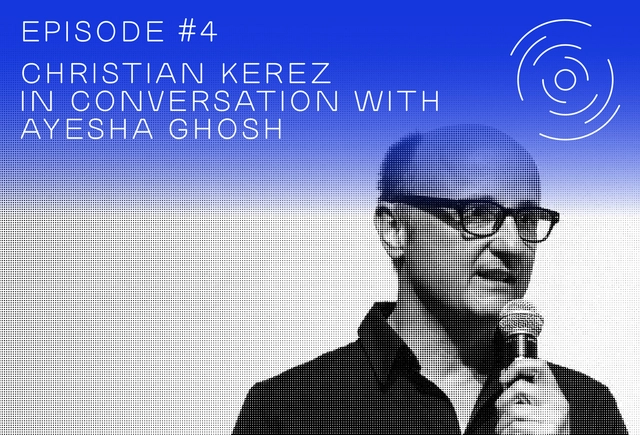
A Combination of Wonder and Structure: Christian Kerez on Swiss Architecture

In this fourth episode of GSAPP Conversations, third-year GSAPP Master of Architecture student Ayesha Ghosh speaks with Swiss architect Christian Kerez, who delivered the opening lecture of the school's Spring 2017 Semester. Kerez's recent projects include Incidental Space at the Swiss Pavillion of the 2016 Venice Architecture Biennale, an amorphous structure which raised questions of the limits of imagination and technical feasibility in architecture today.

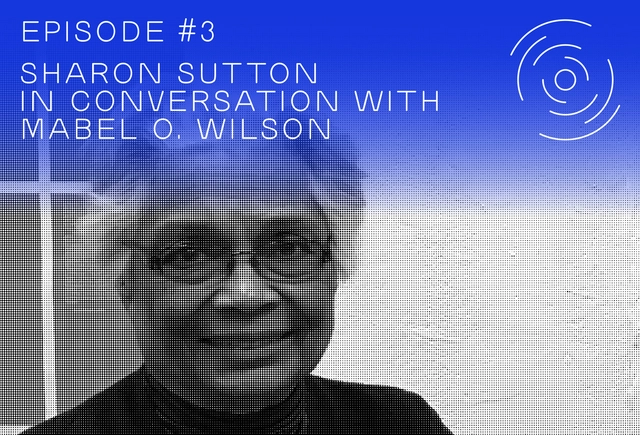
When Ivory Towers Were Black: Sharon Sutton on the Dual Fronts of Gender and Ethnicity

In this third episode of GSAPP Conversations, Columbia GSAPP Associate Professor Mabel O. Wilson speaks with Sharon Sutton about the publication of her new book, When Ivory Towers Were Black, which tells the story of how an unparalleled cohort of ethnic minority students earned degrees from Columbia University’s School of Architecture (GSAPP) during a time of fierce struggles to open the ivory tower to ethnic minority students.

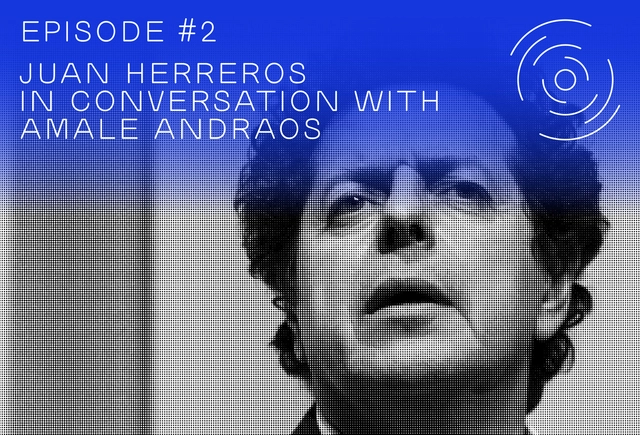
Juan Herreros on Spanish Architecture and Starting a Small Practice

In this second episode of GSAPP Conversations, Amale Andraos speaks with Spanish architect and GSAPP Professor Juan Herreros about the relationship between teaching and practicing architecture, and how he has carefully designed a particular way of working globally. Herreros, who co-founded Abalos&Herreros in 1984 and currently leads estudio Herreros, offers insight into how working sensitively in foreign settings also helps to develop a robust local practice, and how he is bringing new models of emerging practices to his students in GSAPP’s Advanced Architecture Studios.

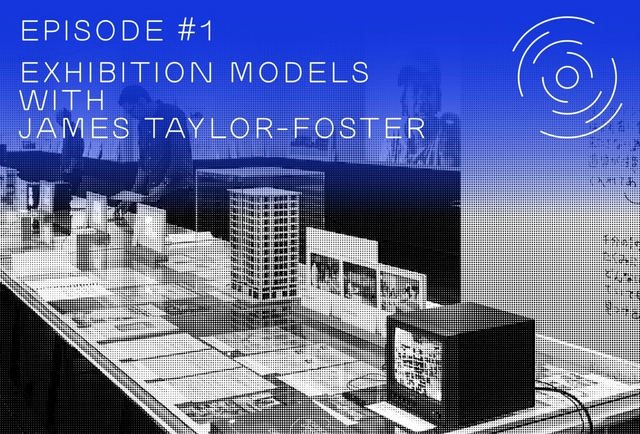
Introducing GSAPP Conversations' Inaugural Episode: "Exhibition Models"

We are pleased to announce a new content partnership between ArchDaily and Columbia University's Graduate School of Architecture, Planning and Preservation (GSAPP) in New York City.

"Night White Skies" Podcast Explores How the Design of Our Environment and Our Bodies is Changing Architecture

Subscriber Access | 

Humanity is at a key moment in a larger story, one in which we are willfully manipulating both our global environments as well as our human bodies. The first is changing the makeup of the physical spaces we occupy and the second, the very body that perceives that space. At this intersection are the physical boundaries that define architectural space. Both our environments and our bodies are therefore open for design, and architecture has swerved in a new direction.

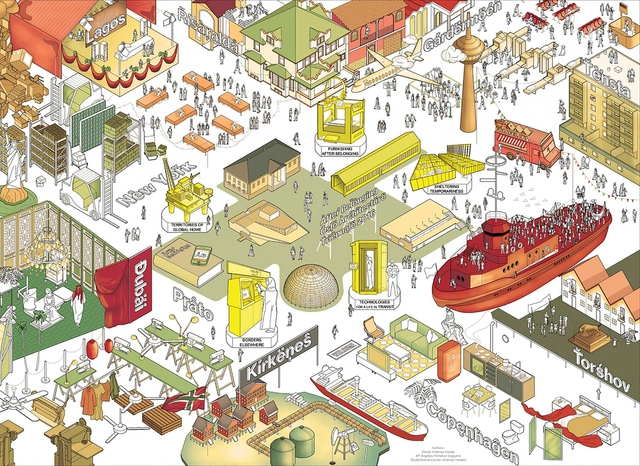
Monocle 24 Reports From the 2016 Oslo Architecture Triennale, After Belonging

In the latest edition of Section D, Monocle 24's weekly review of design, architecture and craft, Henry Rees-Sheridan visits Oslo to speak to Hanna Dencik Petersson, Director of the 2016 Oslo Architecture Triennale, and Alejandra Navarrete Llopis and Ignacio González Galán – two members of its curatorial team, the After Belonging Agency. The show explores the concept behind the exhibitions of the Triennale, what it means to be located in Norway's capital, and how the event's trajectory is both a symptom and cause of Oslo’s development as a design city. ArchDaily's James Taylor-Foster weighs in on After Belonging's significance.