1. ArchDaily
  2. Architectural Style

Architectural Style: The Latest Architecture and News

Understanding Eco Brutalism: The Paradox of Structure, Sustainability, and Style

Subscriber Access | 

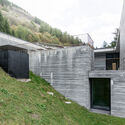
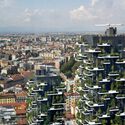
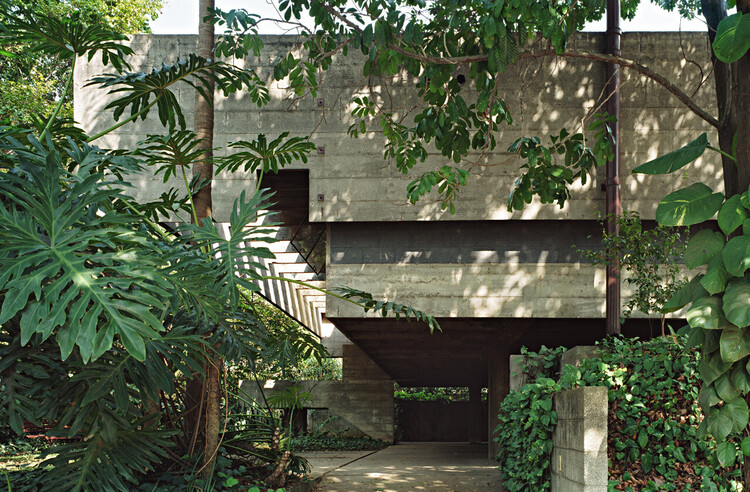
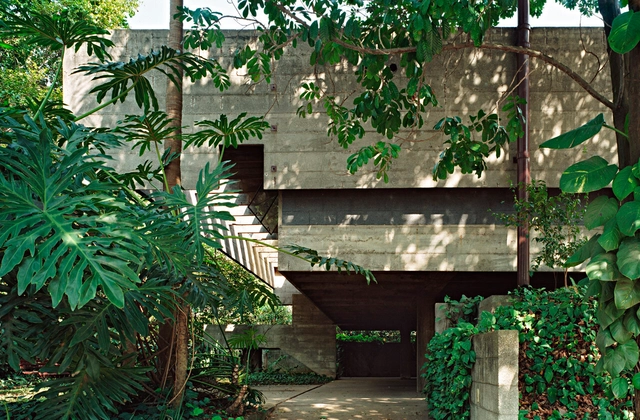
The built environment is expected to reduce carbon emissions, support biodiversity, and respond to changing ecological conditions, all while providing housing for communities and reflecting their cultural values. In this shifting landscape, a once-maligned architectural style emerges in a surprising new form. Brutalism, long associated with institutional gravitas and material austerity, is now being reframed through an ecological lens. This hybrid movement, known as eco-brutalism, combines the power of concrete with greenery and climate-sensitive design strategies. The result is a set of spaces that are visually arresting, conceptually complex, and increasingly popular among designers, urban planners, and the general public. This movement includes not only the direct lineage of 1960s Brutalism but also contemporary projects that, while not strictly Brutalist, share its material honesty, monumental scale, and use of expressive concrete forms.
Understanding Eco Brutalism:  The Paradox of Structure, Sustainability, and Style - Image 1 of 4Understanding Eco Brutalism:  The Paradox of Structure, Sustainability, and Style - Image 2 of 4Understanding Eco Brutalism:  The Paradox of Structure, Sustainability, and Style - Image 3 of 4Understanding Eco Brutalism:  The Paradox of Structure, Sustainability, and Style - Image 4 of 4Understanding Eco Brutalism:  The Paradox of Structure, Sustainability, and Style - More Images+ 39

The Long and Tangled History of Architectural Style

This article was originally published on Common Edge.

In the late 1960s, Ben Bradlee, the storied executive editor of The Washington Post from 1965 until 1991, confronted making the paper more appealing to younger readers. He ditched Lifestyle as the name of a new, updated section, which he found irksome; instead, he chose Style. As he explained in his memoir: “I liked the word ‘Style’ … I like people with style, with flair, with signature qualities.” After 50 years as Style, and nine years after Bradlee’s death, the section has been renamed Lifestyles. The editorial change notwithstanding, Bradlee used “style” as most non-architects think of it and much in keeping with how Duo Dickinson seems to frame it in a recent Common Edge piece: “Wrestling With Architectural Style in a Post-Style World.” Yet in matters architectural, at least historically, it’s long been another thing altogether.