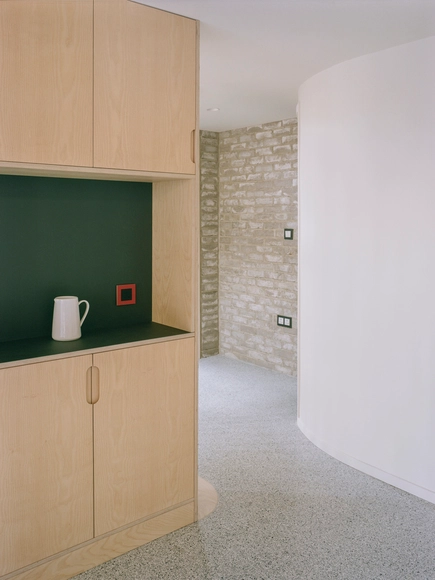
The Bright Side of Smart Home Design: Modular Freedom with the 55x55 Switch

 | Sponsored Content

The first light switch has come a long way since its invention in 1884 by John Henry Holmes in Newcastle, England. Holmes' ingenious 'quick-break technology' transformed the way electricity was managed, ensuring safer and more efficient lighting control. Since then, switches evolved in both form and function, embracing diverse designs—from toggles and rockers to the LED-illuminated models and sleek touch sensors. The function of the switch has also broadened, allowing us to operate more than just light at our fingertips, revolutionizing the convenience of shaping our interior environments.

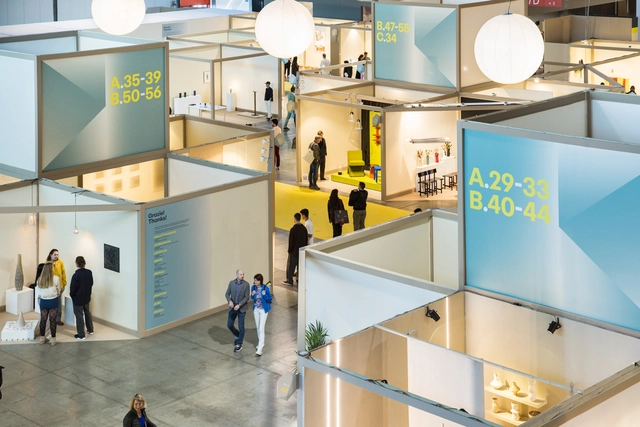
The Science of Design: How Neuroscience can Help Architects Shape the Built Environment

In recent years, the integration of neuroscience and architecture has revolutionized our understanding of how built environments influence human well-being, behavior, and cognition. This interdisciplinary field, known as neuroarchitecture, explores the connections between spatial design, brain function, and psychology, offering insights into creating environments that promote health, creativity, and emotional resilience.

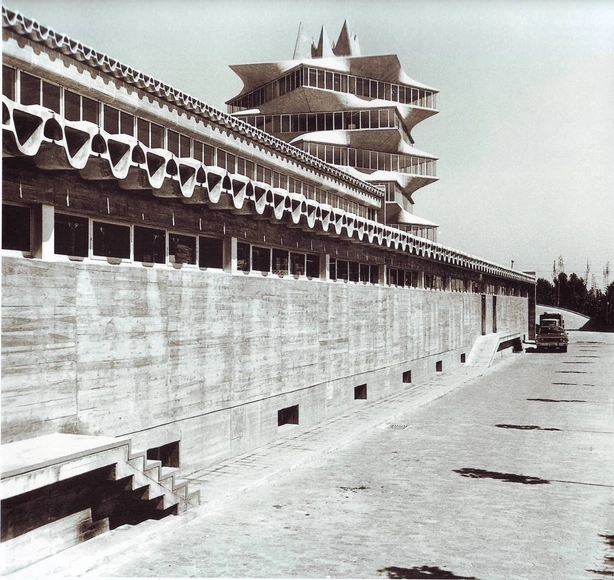
2024 Year in Review: Celebrating Architectural Classics

Architectural Classics featured on ArchDaily serve as a record of significant works that have influenced the evolution of architecture and design. These projects represent a range of styles, purposes, and contexts, offering insight into how architecture responds to cultural, social, and environmental factors. By revisiting these influential works, one can better understand the principles and ideas that have shaped the built environment globally over time. These classics highlight moments of design innovation while also providing a broader perspective on architecture's role in reflecting and shaping the world around us.

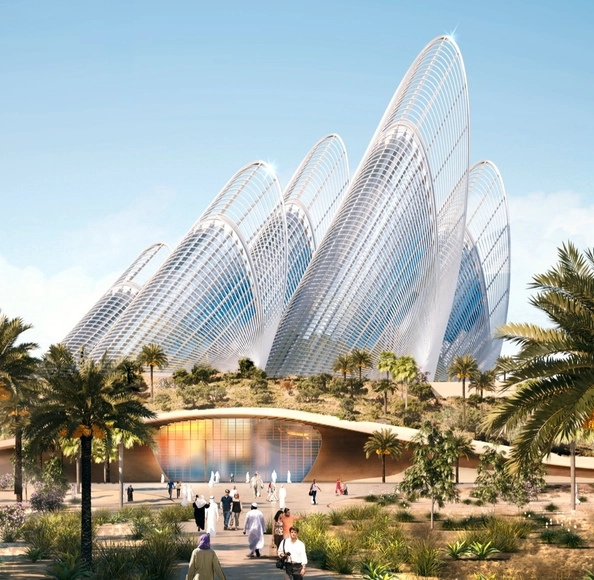
Architectural Glass 101: Transparent Trends in 2024

In the 21st century, Glass has become a cornerstone material for architecture. Once limited to apertures and openings, Glass now dominates entire facades, especially in high-rise buildings where transparent cladding material is preferred to maximize views. The technological advancements in Glass have been remarkable, transitioning from single-pane panels, such as those used in Bauhaus' iron window frames, to today's triple-pane systems with specialized gas infills, such as argon, designed to address Glass's long-standing thermal limitations.