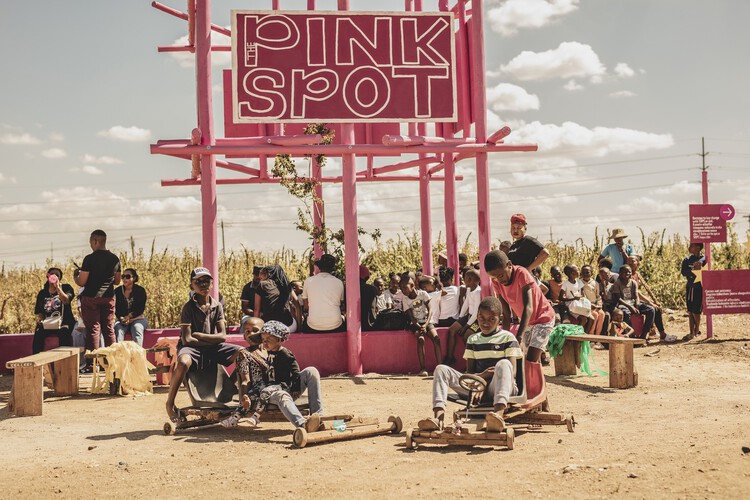
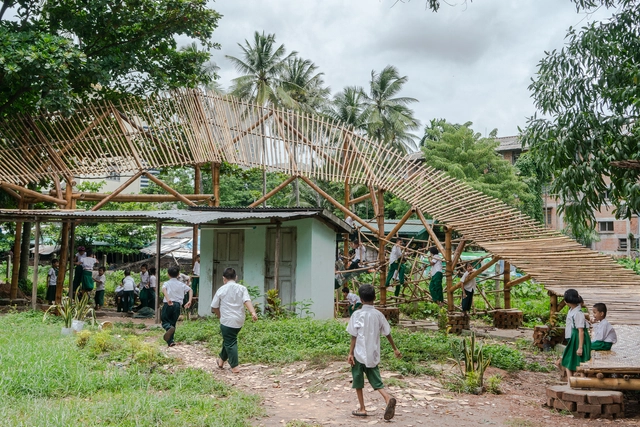
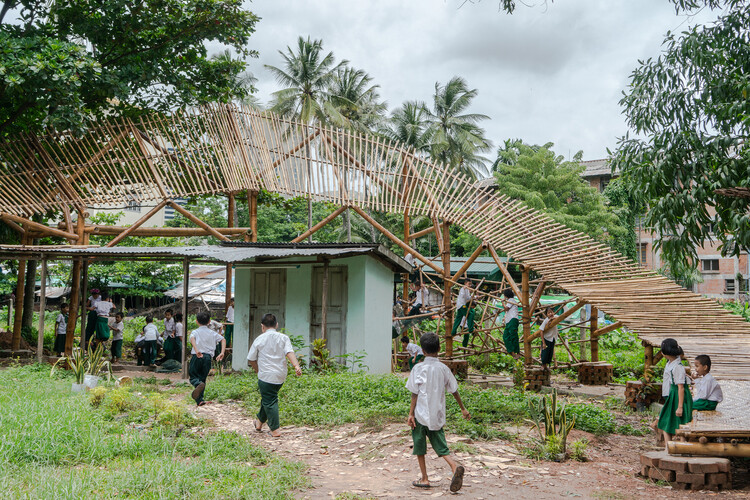
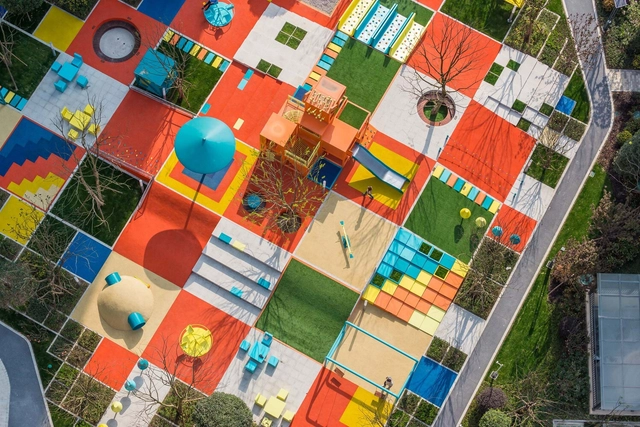
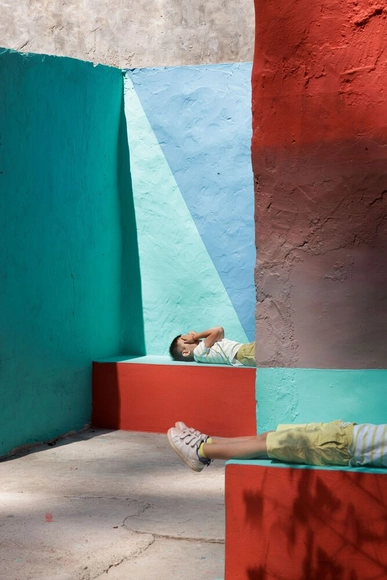
Urban playgrounds are evolving from simple swing sets and slides into dynamic, multi-faceted urban landscapes. These new designs are more than just places to play; they are thoughtfully integrated spaces that address urban challenges, promote community, and inspire creativity. A key trend is the intentional use of color and pattern. Designers are utilizing vibrant color zones to segment different functional areas, creating a visually dynamic experience that contrasts with natural surroundings. This approach can also be used to establish a cohesive urban identity, with thoughtful color palettes that complement the existing cityscape.
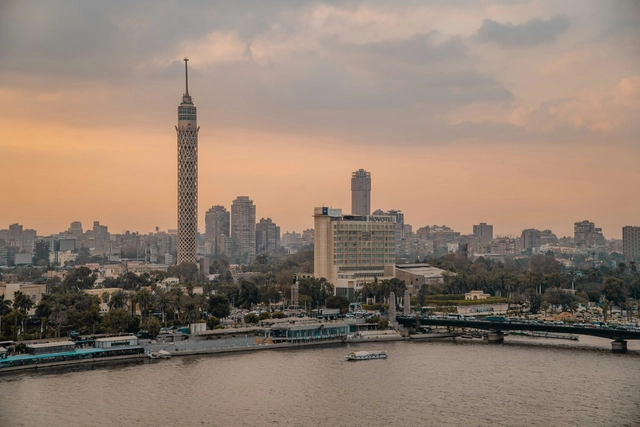
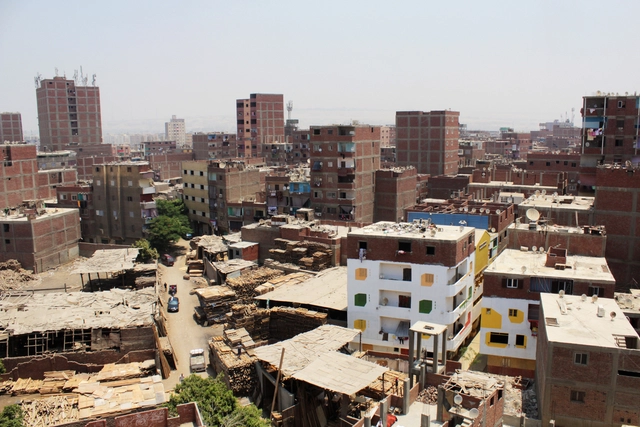
To this day, Cairo has a vibrant history, rich architectural culture, and heritage, which, from an outside perspective, is still the vivid and leading representation of the city. But what is today's Cairo beyond the capital of Egypt, the Nile, the deserts, the bustling streets, the museums, and the archaeological sites and historic buildings? The city has experienced a rapid urban transformation over the past few decades, acquiring a remarkably different character from the one recent and older generations remember from their youth in the streets, neighborhoods, and buildings of the city.
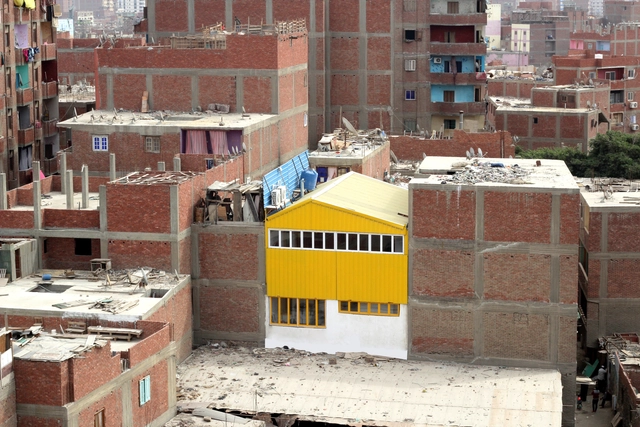
Cairo represents a population growth of 4 million in the 1960s to over 20 million today, while its urban footprint expanded by approximately 400% since the 1960s. The built-up area represents nearly half the metropolitan region, with an annual urban growth rate of 2-4% - much higher than the approximate 1% growth rate typical in countries like Canada, Germany, Japan, Italy, and Sweden. Due to this rapid urbanization, agricultural land now constitutes less than 10% of the total area of Greater Cairo. The city is a constantly evolving mosaic of over 50 distinct neighborhoods, each embodying its own unique identity and demographic composition, contributing to Cairo's diverse urban fabric.
https://www.archdaily.com/1022982/cairo-a-mosaic-of-contrasting-urban-narrativesHadir Al Koshta
On the first Monday of October, World Architecture Day offers an opportunity to reflect on the role that architecture plays in shaping our world and our communities. Established by the International Union of Architects (UIA) in 1986, this day was designated as a basis for the ongoing discussions on innovations in architectural practice, new approaches to the ever-changing role of architects and designers, and the varied responses to emerging concerns.
As in previous editions, UIA sets a central yearly theme to guide these conversations. This year, the theme of World Architecture Day 2024, "Empowering the Next Generation to Participate in Urban Design," opens up multiple interpretations, contemplating the impact of urban design on the next generation, as well as highlighting the impact and contributions of young architects in shaping the cities of tomorrow. This year's event aims to address crucial challenges faced by the urban environments and their impact on the next generations. The focus is on creating cities that are not only greener and more environmentally friendly but also inclusive, catering to the diverse needs of various groups in society.
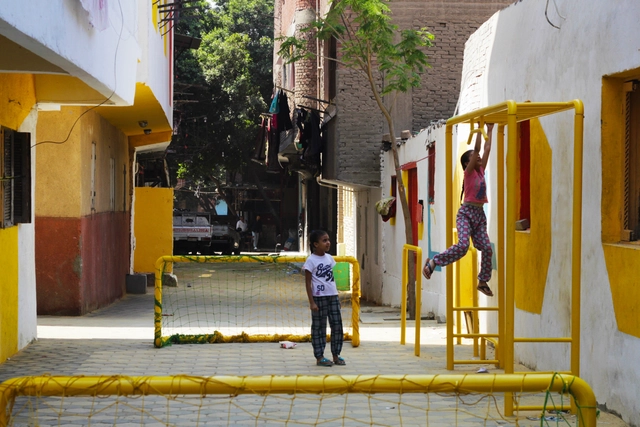
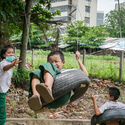
The idea of a community or public playground is about creating an accessible recreational space for all. However, in many cases, initiating a playground project might fail due to insufficient funds or regulations/restrictions. The first challenge is largely to set the project in motion and, most importantly, get the community’s positive reception and, if possible, its involvement, thus ensuring the project's success and sustainability.
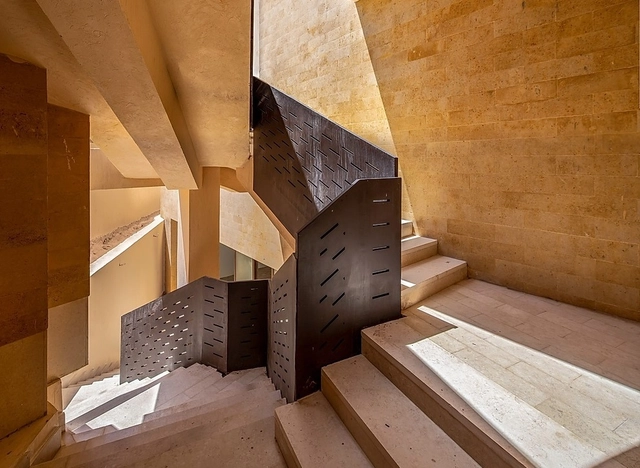
Contemporary Egyptian architecture draws from a rich history. As a cradle of civilization, the transcontinental country has influenced diverse building styles and design cultures. Home to some of the earliest urban developments and centralized governments, Egypt is defined by its geography and its multicultural background. Today, its modern architecture must contend with a legacy of building that spans millennia.
Through the past few months, the importance of community interaction and mental well-being has been felt by all. Yet, the need for a support system and constant reassurance has been a recurrent issue for much longer for forcibly displaced populations. Adding to the current health fears these communities, estimated at nearly 70.8 million ( 25.9 refugees only) around the world, struggle with traumas, mental health issues and have much difficulty in adapting to temporary or permanent foreign settings.