1. ArchDaily
  2. AD Intro Articles

AD Intro Articles: The Latest Architecture and News

Light, Lighter, Lightest: ArchDaily’s April Editorial Focus

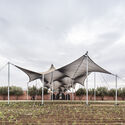
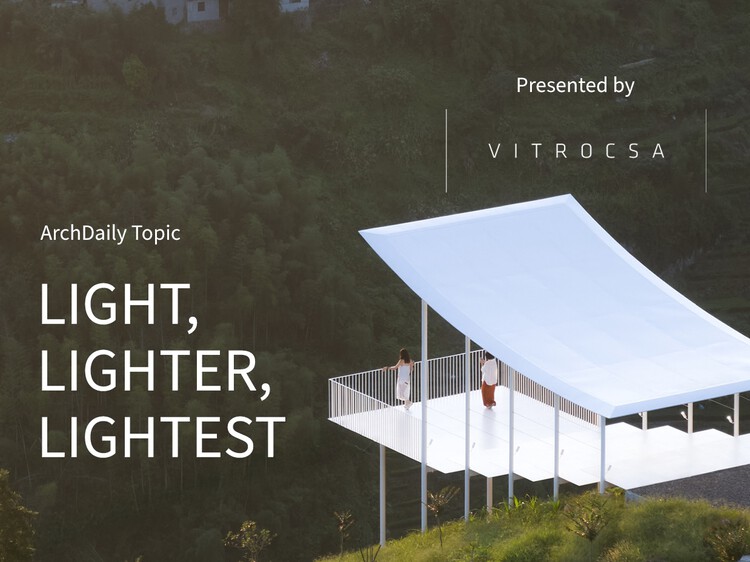
Architecture has long been drawn upward. In Air and Dreams, Gaston Bachelard writes about an imagination shaped by movement; by the urge to rise, to drift, to escape the pull of the ground. Air, for him, invites imagination to distort, to invent, to go beyond what is given rather than simply reproduce it. In that sense, lightness is not only a physical condition, but a feeling: a desire to transcend the weight of the earth and move toward something less tangible. This impulse can be traced across architecture's enduring attempts to lift itself, from pilotis and long spans to suspended systems and tensile membranes. To build lightly, then, is not only a technical ambition, but also a cultural one – a way of reaching toward the sky.

Today, this pursuit of lightness takes on renewed urgency. As environmental concerns, climate risks, and technological advancements reshape the built environment, building lightly is no longer only an aesthetic or structural ambition; it is increasingly framed as an ecological and ethical imperative.

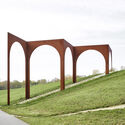
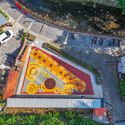
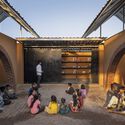
Light, Lighter, Lightest: ArchDaily’s April Editorial Focus - Image 1 of 4Light, Lighter, Lightest: ArchDaily’s April Editorial Focus - Image 2 of 4Light, Lighter, Lightest: ArchDaily’s April Editorial Focus - Image 3 of 4Light, Lighter, Lightest: ArchDaily’s April Editorial Focus - Image 4 of 4Light, Lighter, Lightest: ArchDaily’s April Editorial Focus - More Images+ 6

The Architecture of Culture Today: ArchDaily’s October Editorial Focus

Culture is the set of knowledge and practices people use to express themselves and make sense of the world collectively. As Brazilian philosopher Marilena Chauí reminds us, the word derives from the Latin colere, which means "to take care of." In that sense, agriculture means taking care of the soil, while religious cults are the care of the gods. At its core, culture is the creation of symbolic universes, expressed through different languages, including architecture, that weave connections across time. It safeguards the memories of the past while opening new possibilities for the future.

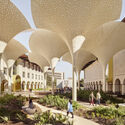
This month, ArchDaily explores The Architecture of Culture Today, asking a central question: How does architecture shape the way culture is produced, consumed, and experienced? This theme examines how architecture both shapes and responds to cultural life — from the permanence of museums, theaters, and libraries to the ephemerality of pavilions, installations, and virtual platforms. It considers the architect's role in curation, scenography, and exhibition design, as well as the portrayal of cultural spaces in film and digital representations.

The Architecture of Culture Today: ArchDaily’s October Editorial Focus - Image 1 of 4The Architecture of Culture Today: ArchDaily’s October Editorial Focus - Image 2 of 4The Architecture of Culture Today: ArchDaily’s October Editorial Focus - Image 3 of 4The Architecture of Culture Today: ArchDaily’s October Editorial Focus - Image 4 of 4The Architecture of Culture Today: ArchDaily’s October Editorial Focus - More Images+ 6

September Editorial Topic: Architecture Without Limits

Architects today work across many worlds: from designing furniture, landscapes, and urban blocks to creating film sets, photographs, and videos. They restore and retrofit old buildings rather than build anew, while also writing, researching, and publishing. Some design virtual spaces for video games or speculate on habitats in outer space and underwater. Others engage directly with society through politics, activism, or community projects. Many experiment with biology, test new materials, and step into the role of scientist. Architects are decolonizing old narratives and decarbonizing the construction industry, and by weaving together personal passions with pressing social and environmental challenges, they are pushing the limits of the profession and expanding its scope.

With so many changes in the profession, especially in recent years, one may ask: How is the role of the architect evolving in response to global crises and shifting societal needs? In what ways can interdisciplinarity expand the scope and impact of architectural practice? And what skills beyond traditional design are becoming essential for architects in today's world?