BROWSE ALL FROM THIS PHOTOGRAPHER HERE

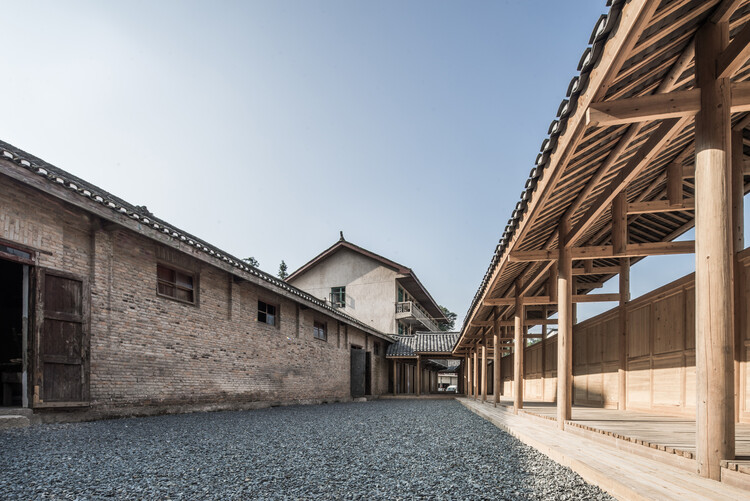
Timber Tectonics: 10 Projects Rethinking Wood Construction in Contemporary China

Subscriber Access | 

In much of China, concrete remains the dominant construction material. Despite growing concerns over its environmental impact, concrete continues to align with the priorities of many developers and clients—it is fast, cost-effective, and highly durable. As a result, most building types in China still rely heavily on concrete. This reliance is further reinforced by China's position as the world's largest producer of Portland cement. A deeply entrenched supply chain, rooted in raw material manufacturing and economic infrastructure, ensures that concrete remains the default choice in the construction industry.

Yet historically, Chinese architecture was built upon a rich tradition of timber construction. The Forbidden City is a prime example: not only is it emblematic of China's architectural heritage, but it also remains one of the largest and best-preserved collections of ancient wooden structures in the world. This legacy prompts an important question: does timber construction have a meaningful future in China's contemporary building industry?

Timber Tectonics: 10 Projects Rethinking Wood Construction in Contemporary China - More Images+ 42

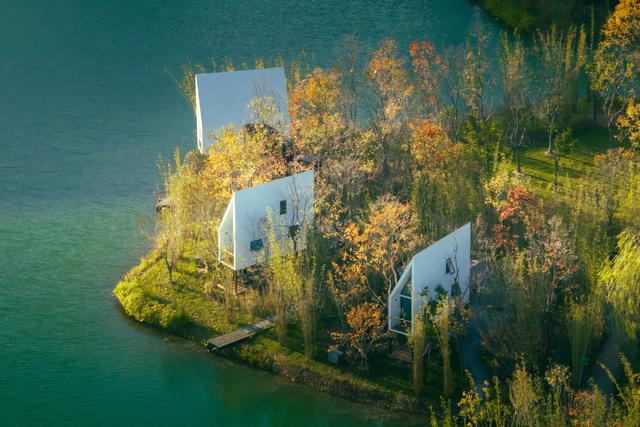
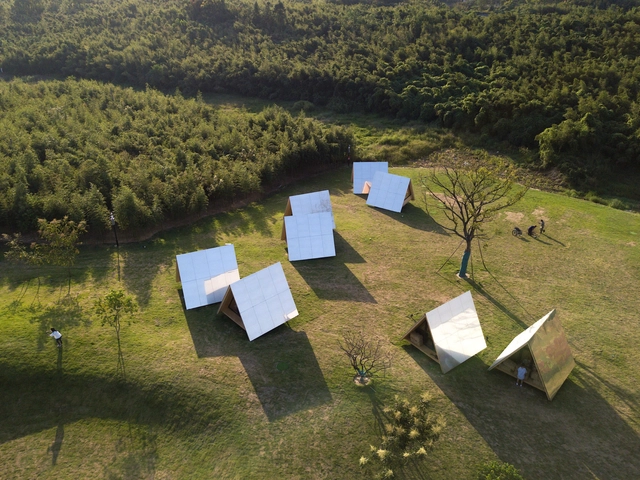
The Cabin of Sails / Advanced Architecture Lab + Wiki World

The Cabin of Sails / Advanced Architecture Lab + Wiki World - More Images+ 27

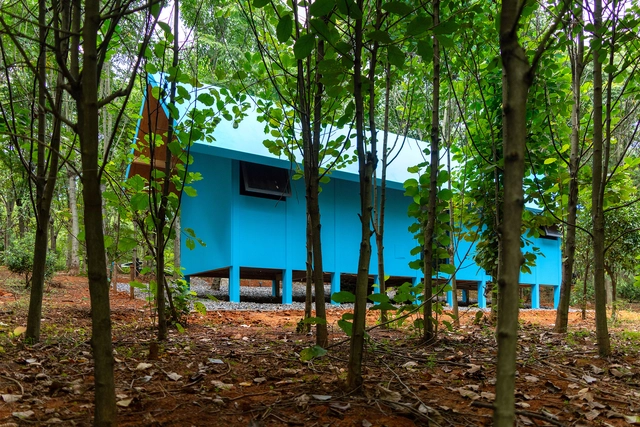
Oasis The Cabin / Wiki World + Advanced Architecture Lab

Oasis The Cabin / Wiki World + Advanced Architecture Lab  - More Images+ 18

  • Area Area of this architecture project Area:  80
  • Year Completion year of this architecture project Year:  2024
  • Manufacturers Brands with products used in this architecture project
    Manufacturers:  Rothoblaas, Isoplam

Wiki World: Exploring Children’s Architecture Education and Community Building in Rural China

Selected as one of ArchDaily's Best New Practices for 2024, Wiki World is pioneering a fresh approach to children's architectural education and community building. This Wuhan-based studio simplifies the concept of architecture, moving beyond grandiose connotations and focusing on 'building a house'—exploring the wisdom and methods of 'ordinary people.' Building, according to Wiki World, is not only a human instinct but also a way to connect with and understand nature. They see an opportunity in the open-source spirit, empowering communities in rural China to design and construct their own creations. By providing the right frameworks, Wiki World is able to scale and make architecture accessible to an increasing number of people. The studio organizes workshops across China, guiding parents and children through one community-building experience after another.

In an interview with ArchDaily, Wiki World shared their approach to workshop design and organizational processes, drawing from both their expertise and the fresh perspectives gained from their young participants. They discussed how their views on nature and community design have shaped their work, their strategies for effective communication, and their current challenges and successes. They also explained how they bridge the gap between different teams to inspire creativity and foster hands-on engagement with users.

Wiki World: Exploring Children’s Architecture Education and Community Building in Rural China - More Images+ 40

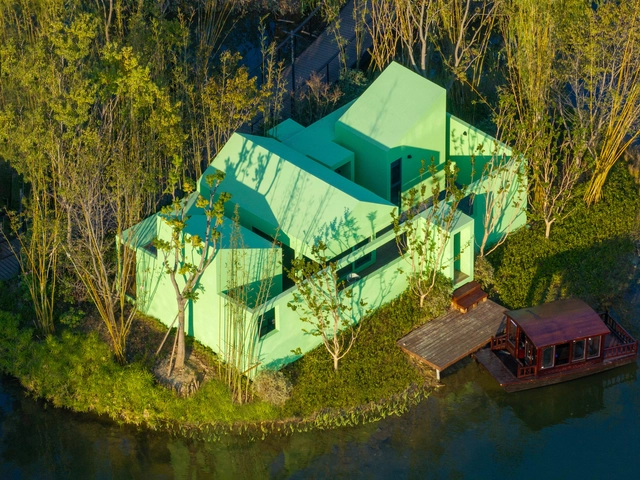
The Artist’s Cabin / Wiki World + Advanced Architecture Lab

The Artist’s Cabin / Wiki World + Advanced Architecture Lab  - More Images+ 15

Wuhan, China

The Sprite Cabin / Wiki World + Advanced Architecture Lab[AaL]

The Sprite Cabin / Wiki World + Advanced Architecture Lab[AaL] - More Images+ 21

Huanggang, China
  • Area Area of this architecture project Area:  64
  • Year Completion year of this architecture project Year:  2022
  • Manufacturers Brands with products used in this architecture project
    Manufacturers:  Rothoblaas, Italy