Stefano Mori

BROWSE ALL FROM THIS PHOTOGRAPHER HERE

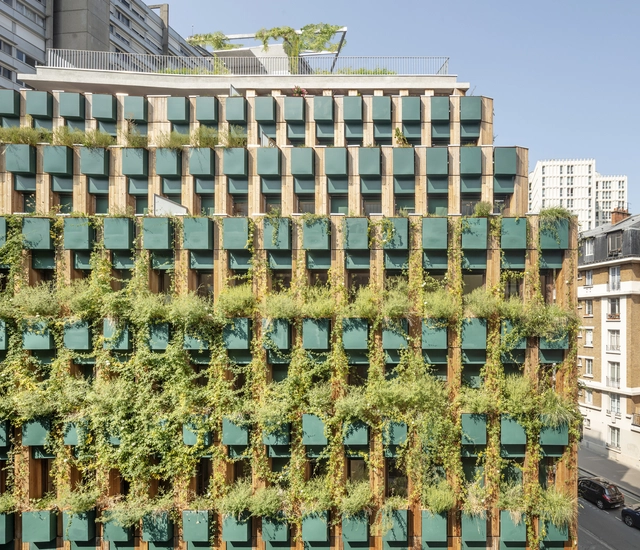
Rhythms of the Soil: Architecture as Agroecology

At a time of ecological collapse and rising food insecurity, architecture is increasingly called upon to engage not only with landscapes but with the systems that sustain and regenerate them. Among these systems, agriculture occupies a paradoxical role, as both a leading contributor to environmental degradation and a potential agent of ecological recovery. Industrial farming has depleted soils, fragmented habitats, and driven climate change through monocultures, fossil-fuel dependency, and territorial standardization. In response, agroecology has emerged as a counter-practice rooted in biodiversity, local knowledge, and the cyclical rhythms of nature. It reframes farming not as extraction, but as regeneration of ecosystems, communities, and the soil itself.

This reframing opens space for architecture to contribute meaningfully. To align with agroecology is not only to support food production, but to engage with the broader cultural, spatial, and ecological conditions that sustain it. It implies designing with seasonal variation, supporting shared use, and building in ways that respect both the land and those who work it. Architecture becomes more than enclosure — it becomes a mediator of cultivation, reciprocity, and coexistence.

Rhythms of the Soil: Architecture as Agroecology - More Images+ 47

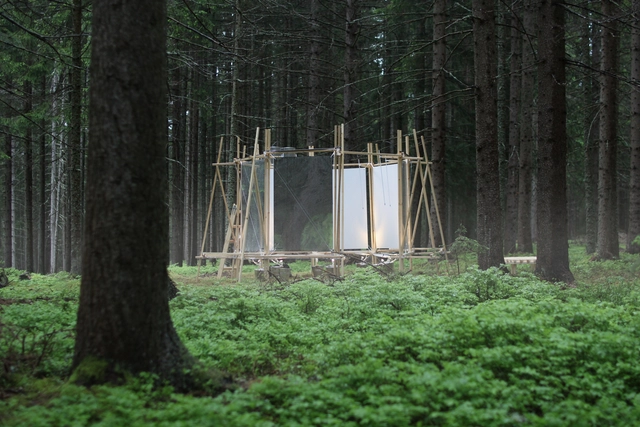
Shapes of Rain Installation / FAR-MS

Shapes of Rain Installation / FAR-MS - More Images+ 13

  • Architects: FAR-MS
  • Area Area of this architecture project Area:  19
  • Year Completion year of this architecture project Year:  2023

Thatched Roofs: History, Performance and Possibilities in Architecture

Subscriber Access | 

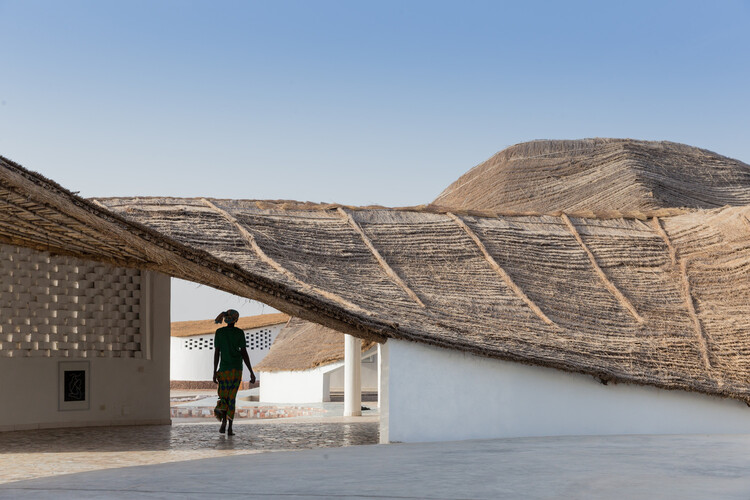
At first glance, Dorte Mandrup's design for the Wadden Sea Center seems to mimic the landscape. Its low height, its horizontal lines and, above all, its materiality make it a modern building in perfect harmony with the local nature. But its connection also encompasses the built heritage of the region, more specifically because of its covering with straw, harvested and dried close to the land. This is an extremely traditional and historic building technique, but which is rarely attributed to contemporary buildings. In this article we will rescue some of the history of this natural material, its constructive characteristics and some examples of use.

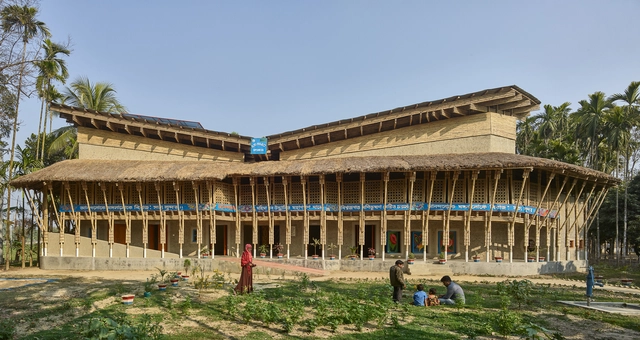
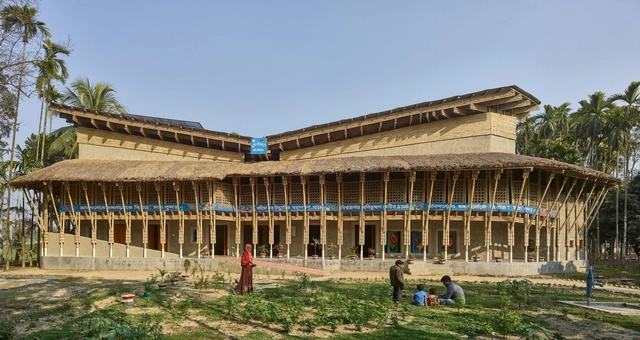
Anandaloy Center / Studio Anna Heringer

Anandaloy Center / Studio Anna Heringer - More Images+ 12

Local Techniques in Big Cities: Beyond Earth and Bamboo

Subscriber Access | 

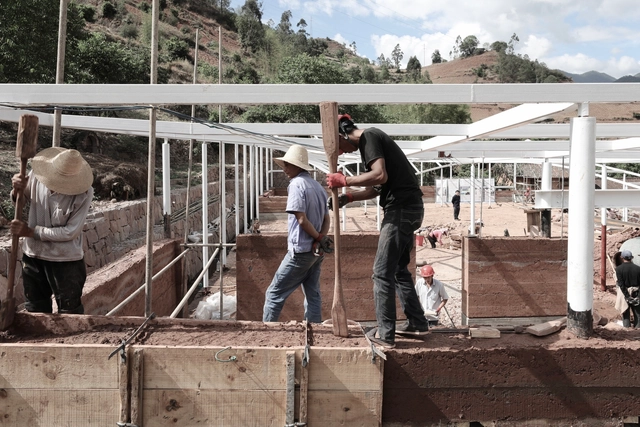
Vernacular techniques and local materials are becoming more and more relevant in architecture, but is it possible to bring these concepts to large urban areas?

In 1984, the Amazonian architect Severiano Porto had already pointed out the need to make architecture more connected to its location. Using local materials and techniques is becoming more important each day, considering the impacts of the commodity chain of building construction on the planet. Not surprisingly, the number of projects that use this approach is growing every day, as Severiano has already mentioned in his work since the 1980s.

Local Techniques in Big Cities: Beyond Earth and Bamboo - More Images+ 11

“Good Looking Architecture is Not Enough”: In conversation with Anna Heringer

Subscriber Access | 

In a recent interview by Louisiana Channel, German architect Anna Heringer talks about the recently inaugurated Anandaloy centre in Bangladesh, a social space which became a catalyst for local development. The architect shares her commitment to sustainability and touches on the importance of the transfer of know-how to local communities through participatory building processes.

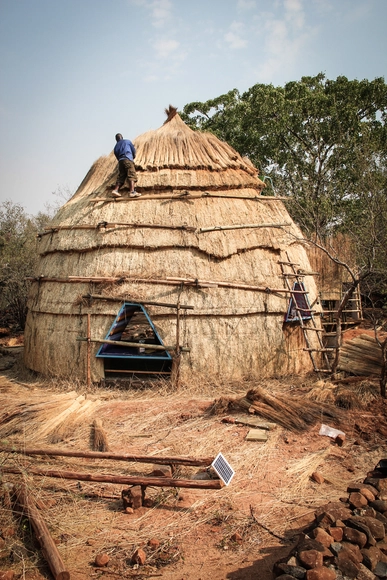
Kindergarten Zimbabwe / Studio Anna Heringer

Kindergarten Zimbabwe / Studio Anna Heringer - Exterior Photography, Landscape
© © Stefano Mori

Kindergarten Zimbabwe / Studio Anna Heringer - More Images+ 20

  • Area Area of this architecture project Area:  52
  • Year Completion year of this architecture project Year:  2014