-
Architects: Alfredo Ribadeneira Arquitectos
- Area: 36802 m²
- Year: 2025
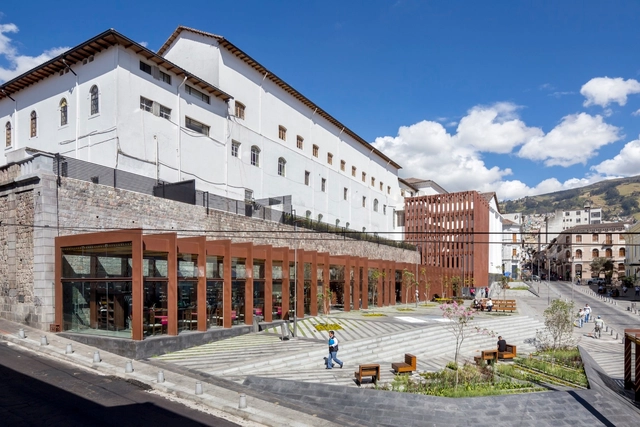

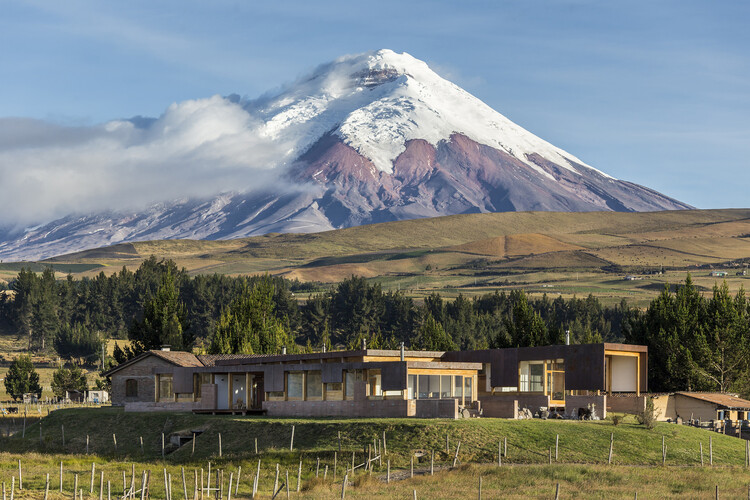
The Andes are often understood as a continuous mountain range, yet they encompass a wide range of climates and ecosystems. In Ecuador, Peru, Bolivia, Colombia, and Chile, páramos, dry highlands, temperate valleys, and snow-covered landscapes can exist within relatively short distances of one another. As elevation changes, so do temperature, solar radiation, humidity, wind, vegetation, and topography, producing environments that require different ways of building.
Unlike many mountain regions where cold is the defining environmental condition, high-altitude environments in the Andes combine several climatic conditions at once. As elevation increases, solar radiation becomes more intense. Some regions remain humid throughout the year, while others experience prolonged dry seasons. In many places, steep terrain, snow, and changing weather patterns become additional factors that influence how buildings are designed.
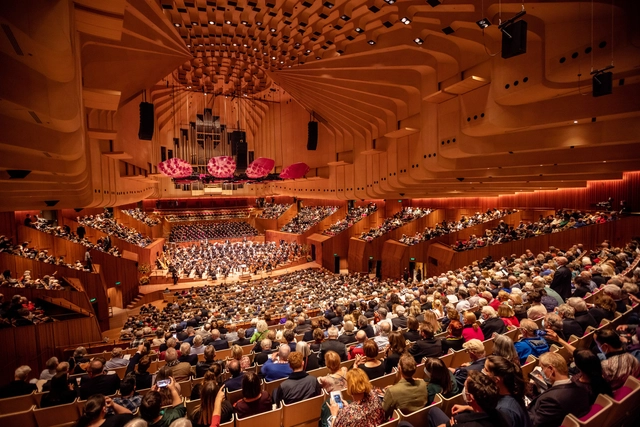
Theaters serve as cultural and social institutions, shaping society by providing spaces where stories of identity, race, and justice are brought to life. These venues foster community through shared, live experiences, sparking conversations that resonate beyond the stage. Architecturally, theaters are more than performance spaces—they are landmarks that embody both the history and future of the arts. Their design often reflects the cultural importance of storytelling, while their refurbishments ensure they remain relevant in a modern context.
In this week's AD Interior Focus, ArchDaily explores how the refurbishment of iconic theaters like the Royal Opera House in London, United Kingdom, and Sydney Opera House in Australia goes beyond modernizing comfort and accessibility. It delves into how these projects preserve the architectural integrity of these historic landmarks, ensuring their design continues to serve as a backdrop for both artistic expression and social discourse.
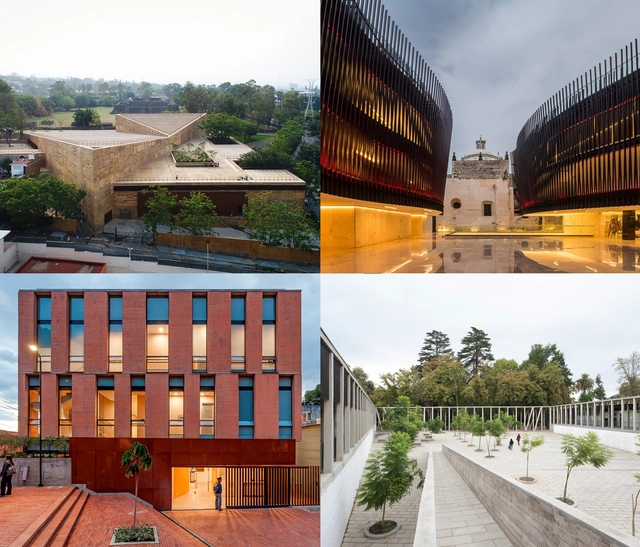
The ‘Rogelio Salmona Latin American Architecture Prize: open spaces / collective spaces’ seeks to recognize built works of architecture that create significant spaces for citizens, helping to foster more welcoming cities. Unlike previous editions, this year two categories were established: Latin America and Colombia.
“The city is citizenship, with its people, institutions, monuments, culture, architecture, and public space, and with the physiognomy that it has acquired and built over time, it is humanity's great civilizing proposition.” - Rogelio Salmona
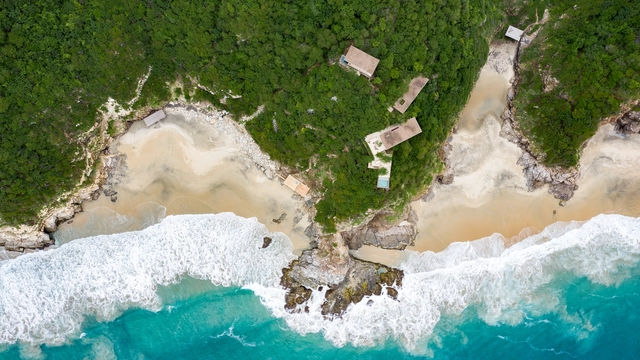
Is there only one way to inhabit the coast? The Pacific coast, the largest ocean on earth, is a vast territory with a great diversity of temperature, winds, and topography, among others. Consequently, it has a great variety of ecosystems, ranging from the freezing point near the poles, vast deserts and forests, to the hot tropical rainforest. Such majestic diversity is no stranger to architecture, responding to the different contexts in which it is placed. As a result, there is a great variety of architectural works, all of which share in framing the views of the sea.
The following list shows 30 residential projects along the Latin American Pacific coastline, revealing the diverse architectural approaches that exist along the coast.
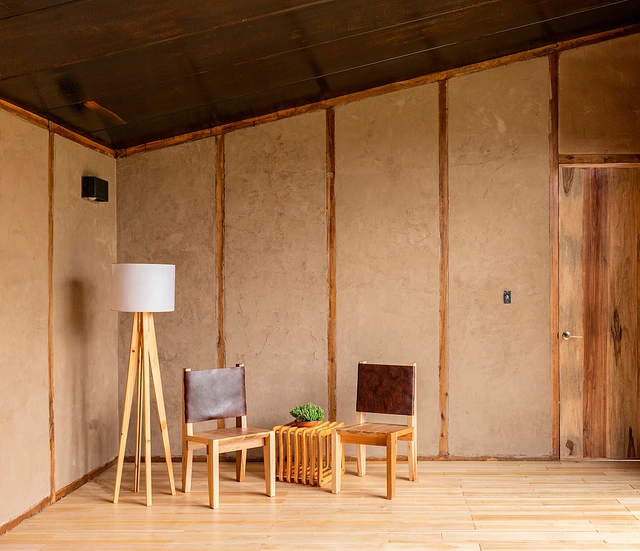
Earth is a material that has been used for building since time immemorial. Its low environmental impact and the variety of techniques available for working with it have enabled its enduring relevance in architectural projects worldwide. Whether using rammed earth, wattle and daub, earthen wall systems, or adobe structures, various contemporary projects rework and reinterpret these traditional methods to shape their spaces.
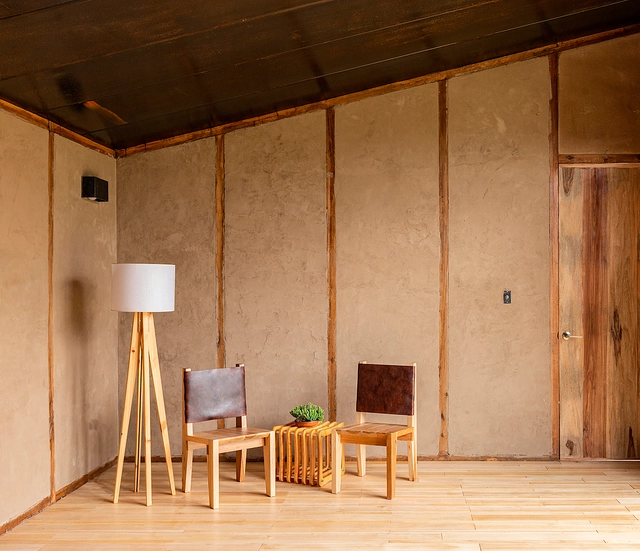
Earth is a material that has been used to construct buildings since time immemorial. Its low environmental impact and the variety of techniques available for working with this material have allowed its use to endure in architectural projects worldwide. Whether using rammed earth, wattle-and-daub (bahareque) systems, or adobe structures, numerous contemporary projects rework and reinterpret these traditional methods to shape their spaces.
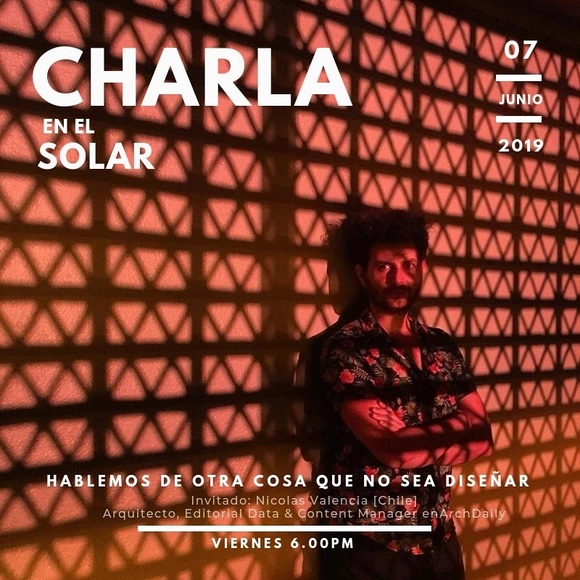
Charla en El SOLAR is an open space for conversation, debate, the exchange of ideas, and connecting with friends.

The 21 projects making up the Official Selection of the Mexican Pavilion at the 16th International Architecture Exhibition of the Venice Biennale converge across latitudes, geographical regions, and territorial echoes, rooted in the curatorial concept of "Freespace." In four installments, we will share the work and ideas of each participant representing Mexico in Venice. Read on to discover the fourth part of these projects.