BROWSE ALL FROM THIS PHOTOGRAPHER HERE

Deep Tones and Natural Roots: 22 Shou Sugi Ban Homes Across the US and Canada

Subscriber Access | 

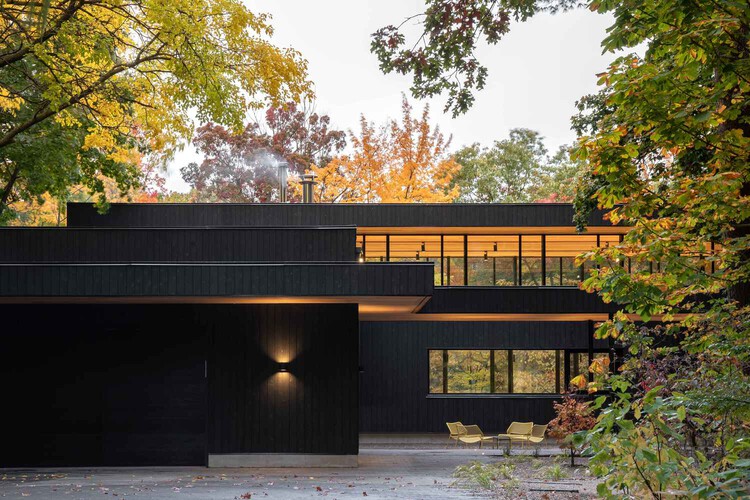
Shou Sugi Ban is a traditional Japanese technique for wood preservation that involves charring the surface of timber to create a protective layer. While its origins are rooted in practical durability, the method has been widely adapted into the modern built environment and shapes a unique and distinctive aesthetic. It is a material of contradiction: it remains bold in its visual language due to its dark tones, yet it simultaneously borrows from and complements its natural surroundings, allowing houses to settle quietly into their sites.

The charred finish among the 22 residences featured here across Canada and the United States serves as a common thread for navigating extreme climates. From humid lakefronts to dense forests, the carbonized skin acts as a resilient shield against diverse conditions. Beyond mere protection, these houses demonstrate how the material's texture changes with exposure to light, transforming from a flat matte in the shade to a silver-flecked, shimmering surface in direct sun. These projects also showcase the technique's ability to define architectural volumes, using the dark cladding to create sharp, monolithic silhouettes or to highlight the voids in a building's mass, such as recessed entryways and sheltered terraces.

Deep Tones and Natural Roots: 22 Shou Sugi Ban Homes Across the US and Canada - More Images+ 20

Wass House / Studio MM Architect

Wass House / Studio MM Architect - More Images+ 27

  • Area Area of this architecture project Area:  3408 ft²
  • Year Completion year of this architecture project Year:  2024
  • Manufacturers Brands with products used in this architecture project
    Manufacturers:  Marvin, Volcano

Recipe for Success: The Architecture of Michelin Restaurants

Subscriber Access | 

Cooking and architecture parallel one another. Combining ingredients to make a whole, both processes are tied to cultural context, creativity and meaning. While we can understand how cultures have changed over time by looking at how their cuisine has changed, the same can be said of architecture. In both cases, the end products are based around human interaction and are brought to life through experience.

Recipe for Success: The Architecture of Michelin Restaurants - Image 1 of 4Recipe for Success: The Architecture of Michelin Restaurants - Image 2 of 4Recipe for Success: The Architecture of Michelin Restaurants - Image 3 of 4Recipe for Success: The Architecture of Michelin Restaurants - Image 4 of 4Recipe for Success: The Architecture of Michelin Restaurants - More Images+ 6

La Fábrica by Ricardo Bofill Highlighted in New Video by Spirit of Space

In this powerful new visual from Spirit of Space, we are introduced to Ricardo Bofill’s headquarters ‘The Factory’ or La Fábrica, Taller de Arquitectura. Once a disused and decaying cement factory from the turn of the century, with 30 silos, machine room, and galleries, it is now a significant transformative project, satisfying the Architect's longing for space via adaptive reuse.

A haven in the urban sprawl, engulfed by a floury of palm, olive, and eucalyptus trees. Spirit of Space visits the former hive of activity, now a tranquil mid-city refuge, an immense contrast to the industrial grime that used to reside here. Through moving pictures and multi-sensory experiences it explores the Brutalist form; a concrete shell… a skeleton intertwined with nature itself.

La Fábrica by Ricardo Bofill Highlighted in New Video by Spirit of Space - More Images+ 3

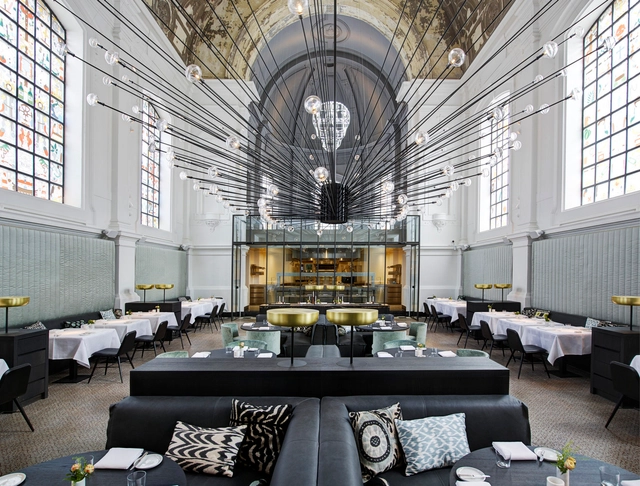
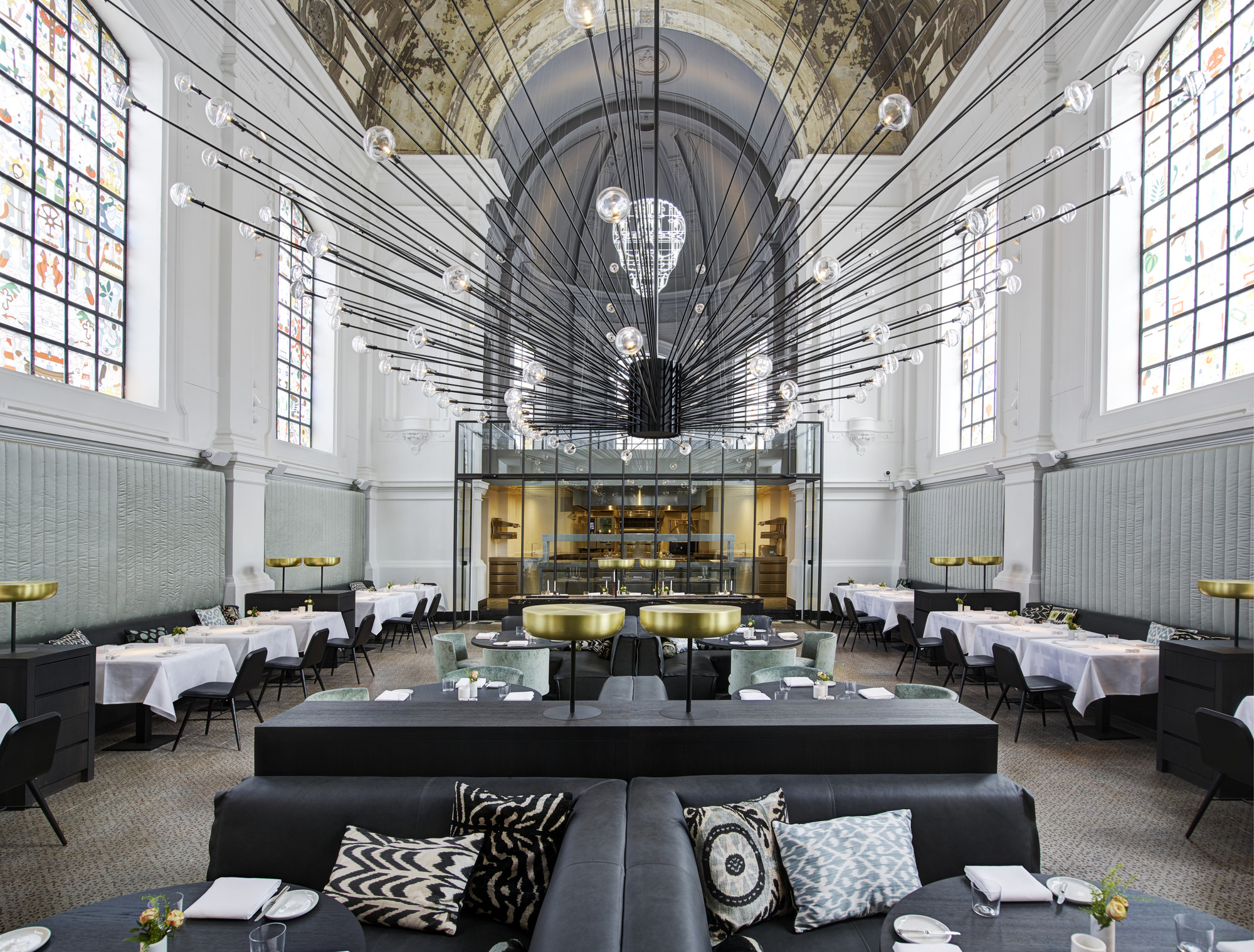
Restaurant 'The Jane' Antwerp / Piet Boon

Restaurant 'The Jane' Antwerp / Piet Boon - More Images+ 6

  • Architects: Piet Boon
  • Year Completion year of this architecture project Year:  2014

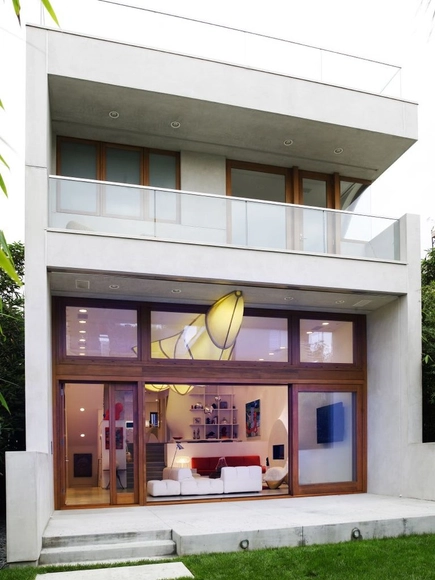
Bloom House / Greg Lynn

Bloom House / Greg Lynn - More Images+ 34

The Factory / Ricardo Bofill

The Factory / Ricardo Bofill - More Images+ 35

  • Architects: Ricardo Bofill

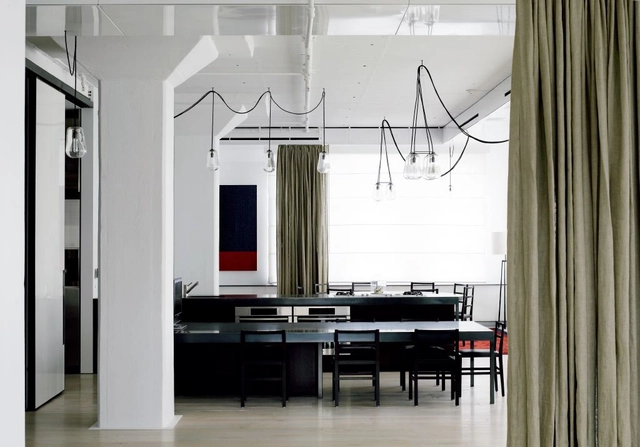
Tribeca Loft / Fearon Hay Architects

Tribeca Loft / Fearon Hay Architects - More Images+ 15

New York, United States
  • Area Area of this architecture project Area:  550
  • Year Completion year of this architecture project Year:  2009

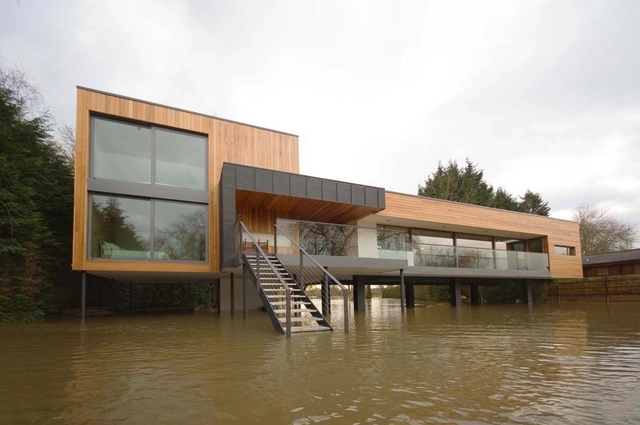
Hind House / John Pardey Architects

Hind House / John Pardey Architects - More Images+ 15