Paolo Rosselli

BROWSE ALL FROM THIS PHOTOGRAPHER HERE
↓

Polytechnic University of Valencia offers a free online course on sustainability in architecture

The Polytechnic University of Valencia offers a free online course on sustainability in architecture. Available through the edX platform, registration is now open for Sustainability in Architecture: An Interdisciplinary Introduction, which begins on July 9. The four-week course requires three to four hours of study per week.

10 Inspiring Examples of Post-Disaster Architecture

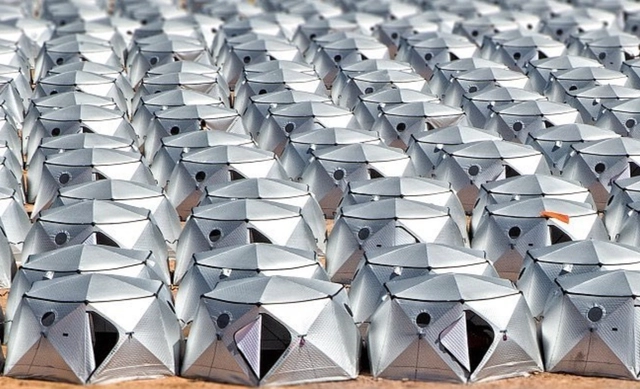
Following natural disaster or conflict, architecture plays a critical role in not only reconstructing lost infrastructure but also responding to the need for comfort and safety for those affected. Successful post-disaster architecture must meet both the short-term need for immediate shelter, as well as long-term needs for reconstruction and stability. Eight years after the 2010 Haiti earthquake, those displaced continue to reside in temporary shelters without adequate access to plumbing and electricity, revealing the critical importance of addressing long-term needs after disaster and conflict.

Below, we've rounded up 10 impressive examples of post-disaster architecture that range from low-cost, short-term proposals to those that attempt to rebuild entire communities from the ground up:

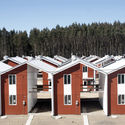
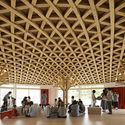
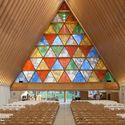
10 Inspiring Examples of Post-Disaster Architecture - Image 6 of 410 Inspiring Examples of Post-Disaster Architecture - Image 1 of 410 Inspiring Examples of Post-Disaster Architecture - Image 2 of 410 Inspiring Examples of Post-Disaster Architecture - Image 4 of 410 Inspiring Examples of Post-Disaster Architecture - More Images+ 5

Subscriber Access

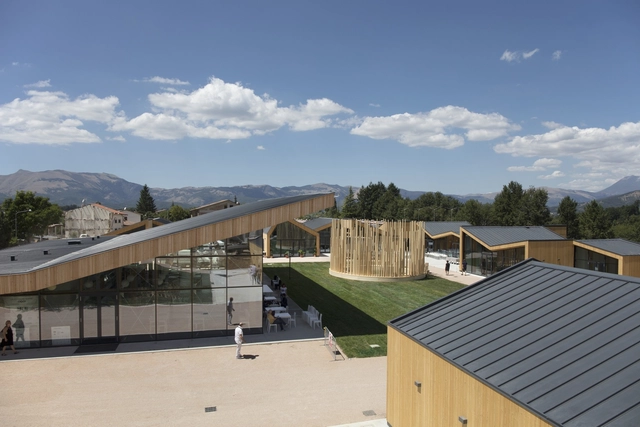
A “Christmas Tale of a Post-Quake Reconstruction”: Stefano Boeri Architetti’s Community Rebuilding in Amatrice

In August 2016, a powerful 6.2-magnitude earthquake struck central Italy, resulting in the loss of nearly 300 lives and the destruction of centuries-worth of historic architecture. At the center of the destruction was Amatrice, a beautiful hill town set in the Latium Apennines, which was reduced to mere rubble, leaving hundreds dead or injured and the survivors homeless.

But the community could not be held down. Shortly after the disaster, rebuilding efforts began, with the assistance of some of Italy’s top architects, including Renzo Piano and Stefano Boeri Architetti, who were able to construct a brand new canteen in just a few weeks time.

A “Christmas Tale of a Post-Quake Reconstruction”: Stefano Boeri Architetti’s Community Rebuilding in Amatrice - More Images+ 10

Subscriber Access

World Photo Day 2017: Our Readers’ 100 Most-Bookmarked Architectural Photographs

This August 19th is World Photo Day, which celebrates photography on the anniversary of the day on which France bought the patent for the daguerreotype, one of the earliest photographic processes, and released it to the world for free in 1839. At ArchDaily, we understand the importance of photography in architecture—not only as a tool for recording designs, but also as a discipline that many of us enjoy. To celebrate the occasion, we decided to reveal the most popular images ever published on ArchDaily, as selected by you, our readers. Using data gathered from My ArchDaily, we have ranked the 100 most-saved images from our database; read on to see them.
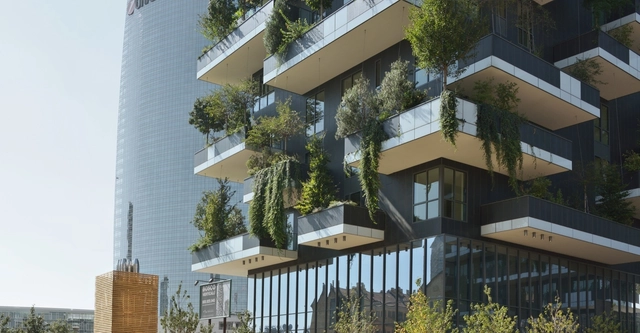
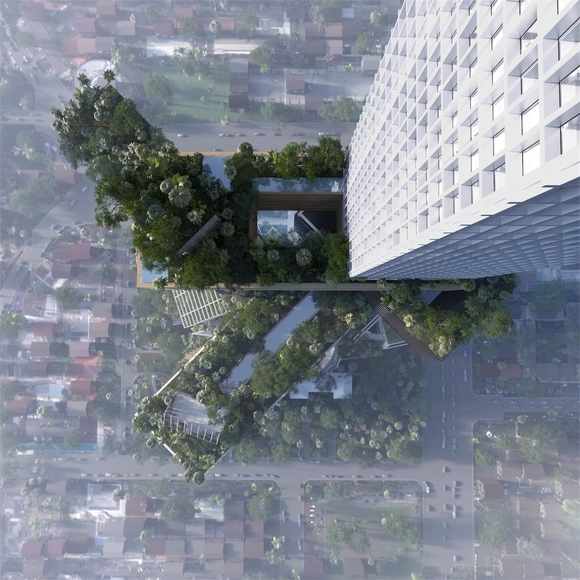
Are Tree-Covered Skyscrapers Really All They Set Out to Be?

Are tree covered buildings really in tune with ecological and sustainable principles, or are they just a form of greenwashing? This is the question posed by Kurt Kohlstedt in his essay, Renderings vs. Reality: The Improbable Rise of Tree-Covered Skyscrapers, for 99% Invisible. The author notes that vegetated designs come about for myriad reasons – the appearance of sustainability, better air and views, investment intrigue – but that most of these concepts will never leave the realm of paper or virtual architecture. For as many reasons that these buildings have become popular, there are detractors for why they simply cannot be built, including daunting construction hurdles (extra concrete and steel), vast irrigation systems, added wind load complexities, and the trees themselves having difficulty adapting to their vertiginous conditions.

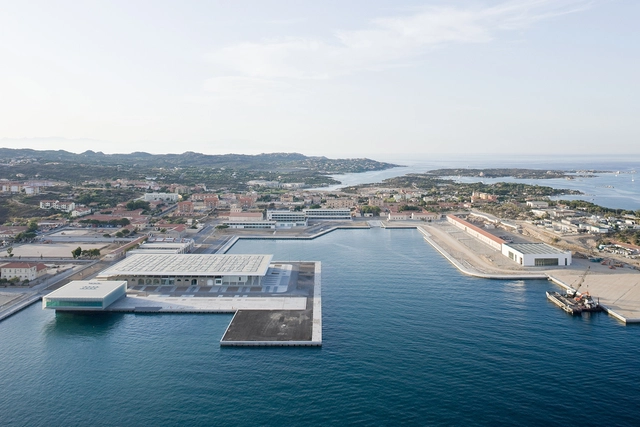
Sea Pavillion / Stefano Boeri Architetti

Sea Pavillion / Stefano Boeri Architetti - More Images+ 18

Bosco Verticale / Boeri Studio

Bosco Verticale / Boeri Studio - More Images+ 19

•
Milan, Italy

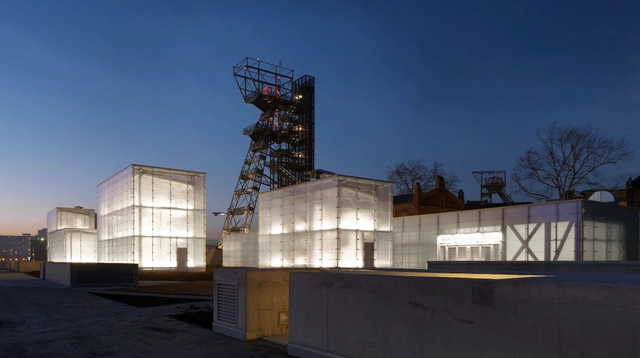
Silesian Museum Katowice / Riegler Riewe Architekten

Silesian Museum Katowice / Riegler Riewe Architekten - More Images+ 36