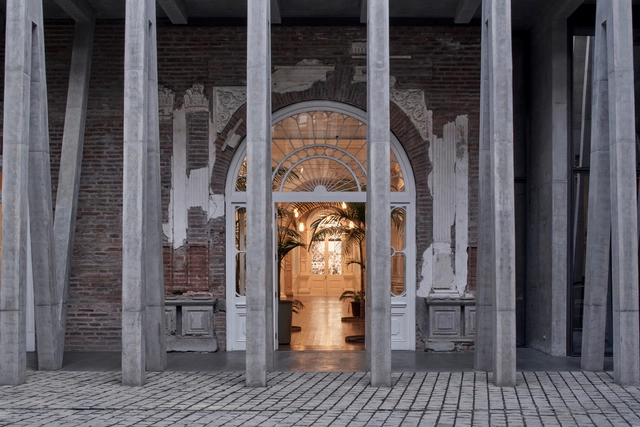
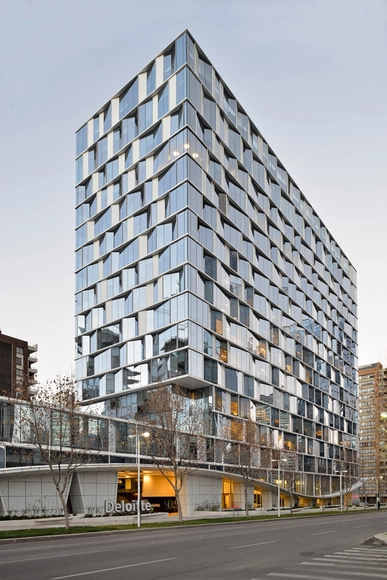
Operating in urban environments often requires us to make decisions regarding pre-existing structures. The increase in city density has directly impacted the availability of space for developing new and independent constructions, sparking debates about what stance to take toward built heritage that has become obsolete—either due to deterioration or because it no longer meets the functional needs of the contemporary population. In cases where buildings have seriously deteriorated or new projects differ greatly from the spatial possibilities an old building can offer, preserving only the façade—as an exterior envelope, almost like a superficial element—can be seen as a partial solution that allows for the preservation, in part, of the urban character of a structure if it holds some public or cultural value. The controversy arises, certainly, from the lack of relationship or connection between the transformed interior and the preserved exterior.
Chile is a country used to natural disasters as much as to the reconstruction process. However, the frequency of these cycles has increased over the years. According to the Ministry of Interior (Homeland), 43% of all natural disasters recorded in Chile since 1960 happened between 2014 and 2017. In fact, the government is already involved in several reconstruction processes across the country.
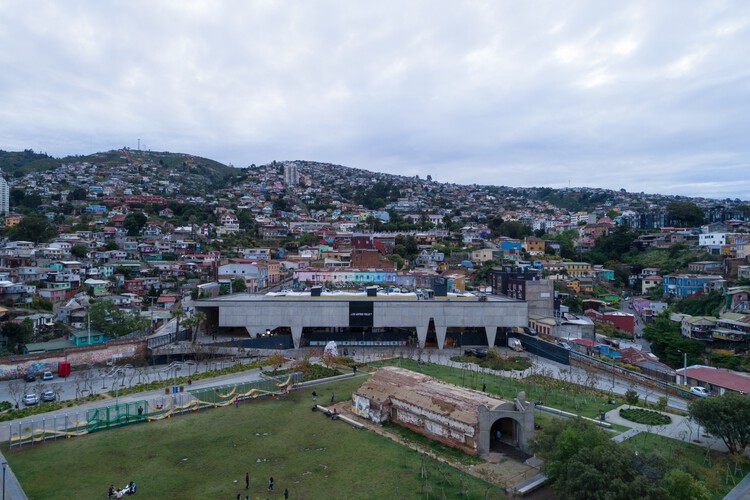
Situated at the foot of 45 hills along the Chilean coast, Valparaíso was a key port in the South Pacific during the 20th century before the construction of the Panama Canal. Thanks to its rapid industrial and commercial growth, the port underwent an urban transformation, attracting thousands of foreigners and cementing its reputation as a bustling South American cosmopolis rich in society, culture, and architecture.
Described by The Guardian as a "Berlin by the seaside", Valparaiso's historic downtown was declared a World Heritage Site by UNESCO in 2003 and the city's cultural and architectural wealth make it a must-see for tourists and architecture aficionados alike.
In this article, we present a guide written by one of the city's many enthusiasts that will give a complete and in-depth look at the port's many treasures. The guide is written as if for a walking tour, starting in Plaza Sotomayor, the city's main square. The route can be divided into two days, with the first part ending at the Palacio Baburizza and the second beginning with the Valparaiso Cultural Park. Take a tip from the experts--if you get lost, don't trust an app to find your way. Ask a local!
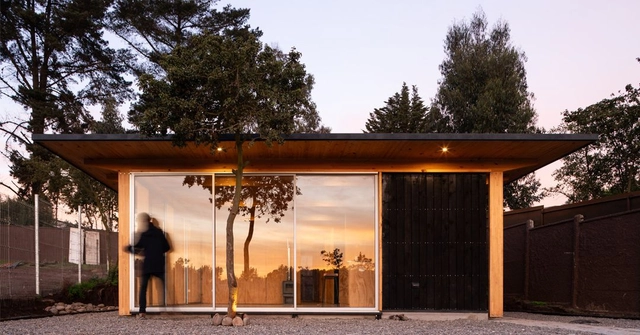
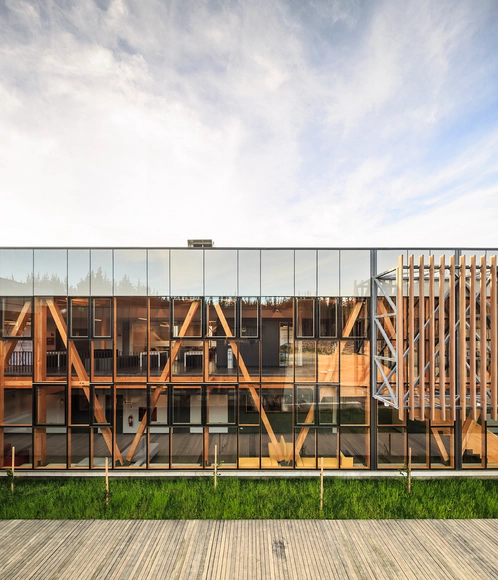
Over the course of history the unique characteristics of wood, which are dependent upon the species of the tree and the location in which it has grown, have enabled humanity to flourish in all parts of the globe. The architectural details of wooden construction therefore show a great diversity of meetings and joints, showing not only a project's constructive and structural logic, but also embodying the value and complexity of each project.
Take a look at these 50 construction details of projects that stand out for their clever use of wood.
ArchDaily has become the most consulted architecture website in the world and the volume of our traffic reveals key data about the topics that architects consider relevant. In the past few months, user behavior has shown a growing interest in various concepts related to comfort in architecture.