

-
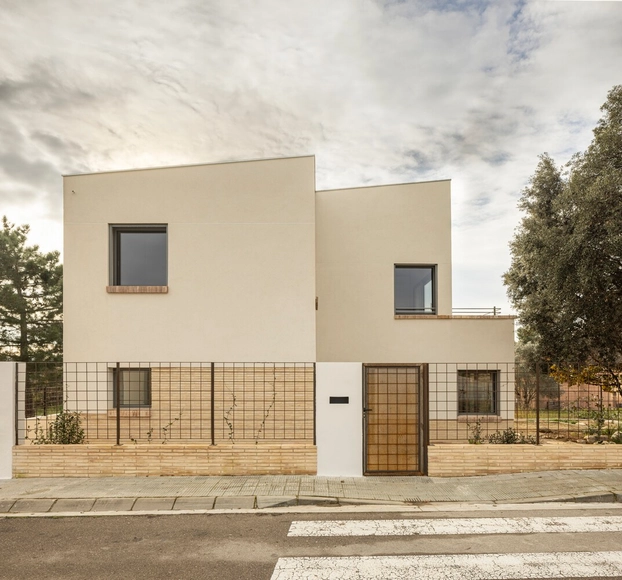
Architects: Nook Architects
- Area: 495 m²
- Year: 2025
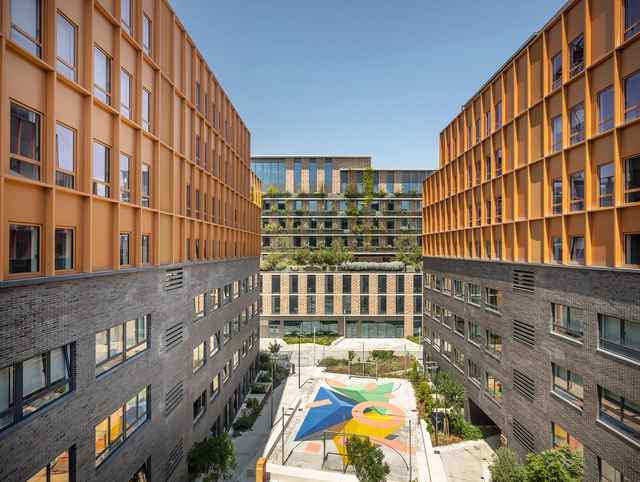
One of the biggest current challenges in large cities is the housing crisis and the lack of efficient solutions to mitigate its effects on citizens. This problem is exacerbated in cities where tourism and vacation or temporary housing dominate the market, distancing residents from the possibility of accessing affordable urban housing. Furthermore, gentrification, driven by rising rents and real estate speculation, contributes to the displacement of local communities, transforming traditional neighborhoods into areas exclusively oriented toward tourist consumption.
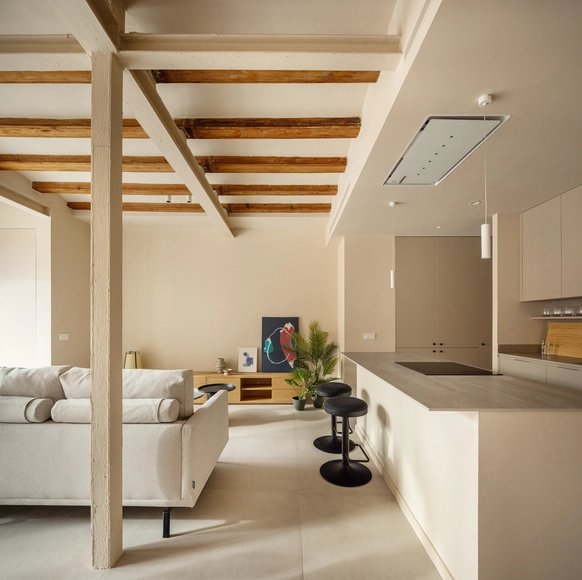

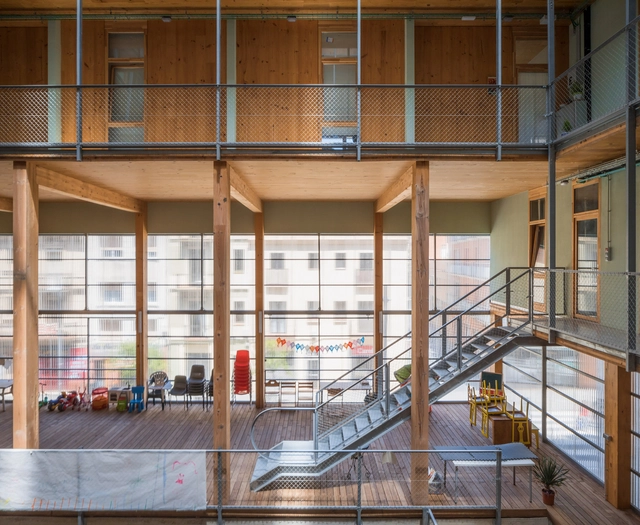
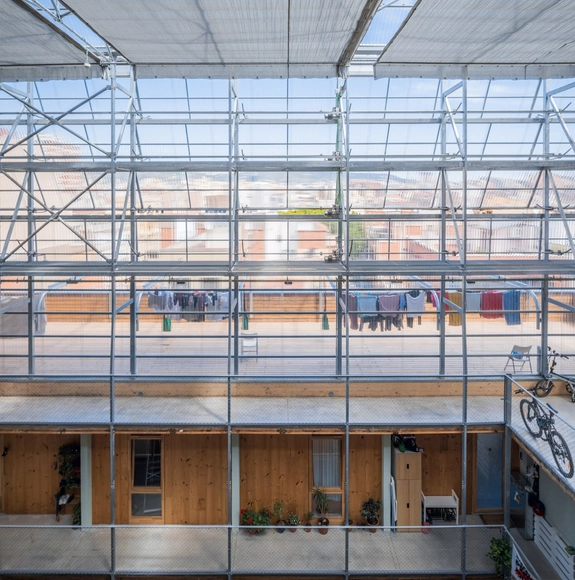
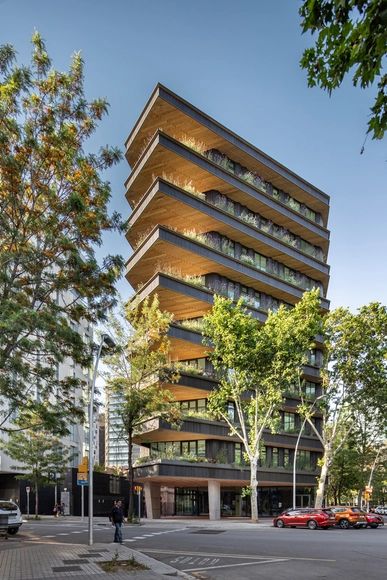
Cooperative housing, or co-housing, is a residential model that promotes access to housing in cities. This model first developed in countries like Denmark and Uruguay, and it is becoming increasingly popular throughout Europe. Indeed, it arrived in Barcelona several years ago and has since steadily expanded throughout the region, spreading beyond the boundaries of the Catalan capital. Below, we explore the cooperative housing model in Barcelona and how it contributes to a more democratic architecture for its citizens.

_ok.jpg?1635457482&format=webp&width=640&height=580)




_ok.jpg?1635457228&format=webp&width=230&height=230&crop=true)
_ok.jpg?1635457425&format=webp&width=230&height=230&crop=true)
_ok.jpg?1635457258&format=webp&width=230&height=230&crop=true)
_ok.jpg?1635457350&format=webp&width=230&height=230&crop=true)
_ok.jpg?1635457482)