-
Architects: ESPECIE arquitectura
- Area: 156 m²
- Year: 2026
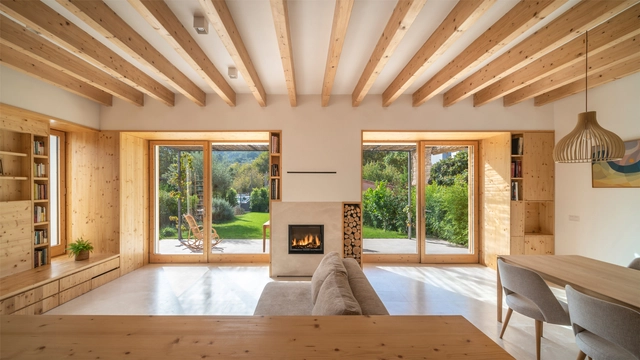
How is it possible to reduce the energy consumption of our homes? What design, material, and/or technological strategies can be developed to achieve interior comfort while also addressing the climate crisis? While achieving energy efficiency depends, among other factors, on the state of the homes, there are various strategies related to the implementation of renewable energies, air conditioning technologies, and more that can be applied, taking into account government policies, laws, regulations, and standards specific to each region.
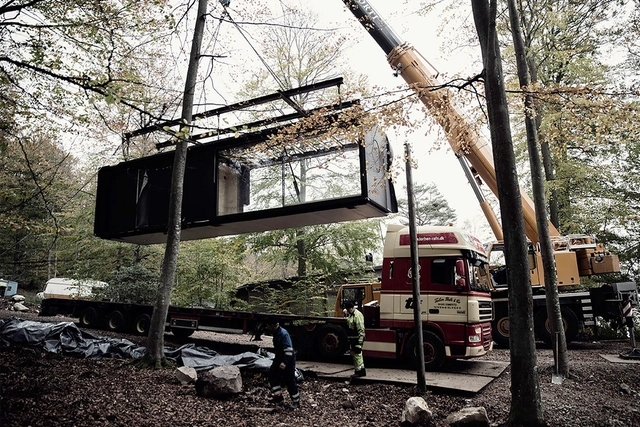
The popularity of pre-designed and pre-fabricated homes is growing, moving much of the construction process from the building site into factories. While countries like Singapore, Australia and the United Kingdom are increasingly adopting modular buildings to meet labor and housing shortages, Nordic countries like Sweden already build 90% of residential single-family houses in prefab wood. Despite the recent surge in interest, off-site building is by no means a new concept. In fact, the construction method has been present throughout history in many attempts to consolidate its use in construction: as far back as A.D 43, the Roman army brought with them prefabricated forts to Britain, while Japan has been building in wood off-site and moving parts in pre-assemblies for at least a thousand years.

At the 2016 Venice Architecture Biennale, curator Alejandro Aravena decided to reuse 100 tons of material discarded by the previous Art Biennale to create the new exhibition halls. Besides preserving 10,000 m² of plasterboard and 14 km of metallic structures, the initiative intended to give value, through design, to something that would otherwise be discarded as waste. The project also shed light on another observation: as architects, we generally restrict ourselves to thinking about buildings during the design process, construction phase, and at most through the use phase. We hardly think of what will become of them when they are demolished at the end of their useful life, an issue that should urgently become part of the conversation.