BROWSE ALL FROM THIS PHOTOGRAPHER HERE
↓
https://www.archdaily.com/569521/cdv-house-dda-despacho-de-arquitecturaCristian Aguilar
https://www.archdaily.com/571086/ciceron-406-jvc-arqDaniel Sánchez
https://www.archdaily.com/549902/leyva-506-apt-arquitectura-para-todosDaniel Sánchez
https://www.archdaily.com/500719/casa-puerto-del-aire-extracto-arte-arquitectura-y-diseno-srl-de-cvCristian Aguilar
https://www.archdaily.com/497517/la-salle-cuernavaca-university-annex-building-gbf-taller-de-arquitecturaDaniel Sánchez
https://www.archdaily.com/485476/fr43-alter-arquitecturaCristian Aguilar
https://www.archdaily.com/470595/casa-ald-spaceKaren Valenzuela
https://www.archdaily.com/466303/lq20-house-t3arcDaniel Portilla [Dapo]
https://www.archdaily.com/451629/casa-del-bosque-dante-di-lorenzoJonathan Alarcón
https://www.archdaily.com/450018/pabellon-s-taller-diez-05Daniel Sánchez
https://www.archdaily.com/444702/salas-regionales-del-golfo-mauricio-garcia-cueDaniel Sánchez
https://www.archdaily.com/421804/alfonso-reyes-200-ambrosi-i-etchegarayIgor Fracalossi
https://www.archdaily.com/387186/condesa-df-jsAlexandra Molinare
https://www.archdaily.com/349157/monument-for-the-150th-anniversary-of-the-battle-of-puebla-ten-arquitectosIgor Fracalossi
https://www.archdaily.com/347721/spa-san-angel-ambrosi-i-etchegarayJonathan Alarcón
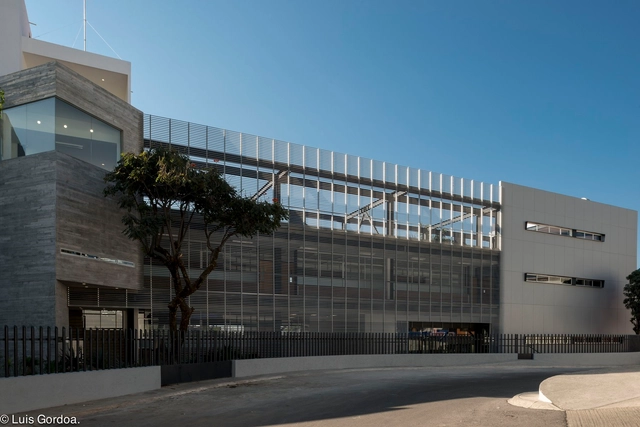
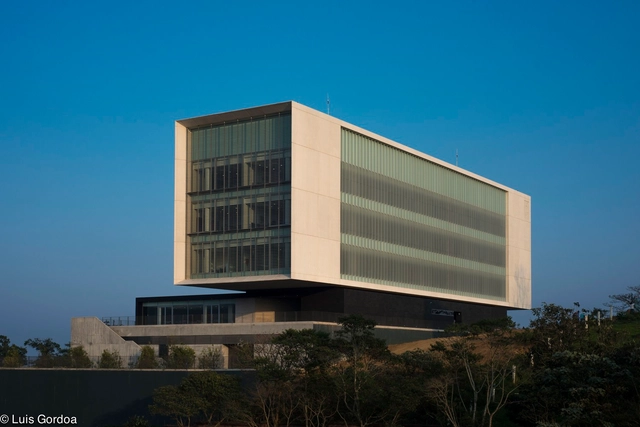
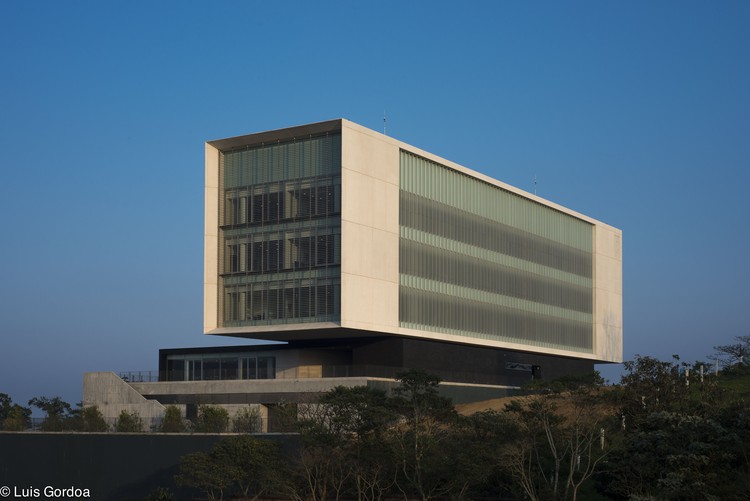
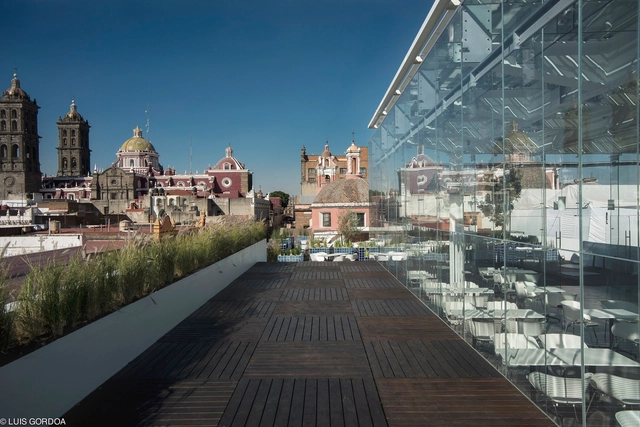 © Luis Gordoa


 + 41
+ 41
-
- Area:
12000 m²
-
Year:
2013
-
Manufacturers: Toto, VALVO, Herman Miller, Krion, Acor, +6Hunter Douglas, NewMat, Somfy, Spacesaver, Trox, Vitra-6
https://www.archdaily.com/341974/amparo-museum-ten-arquitectosIgor Fracalossi
https://www.archdaily.com/334731/museum-bebeleche-vasquez-del-mercado-arquitectosDaniel Sánchez
https://www.archdaily.com/319746/campeche-415-ambrosi-i-etchegarayDaniel Sánchez