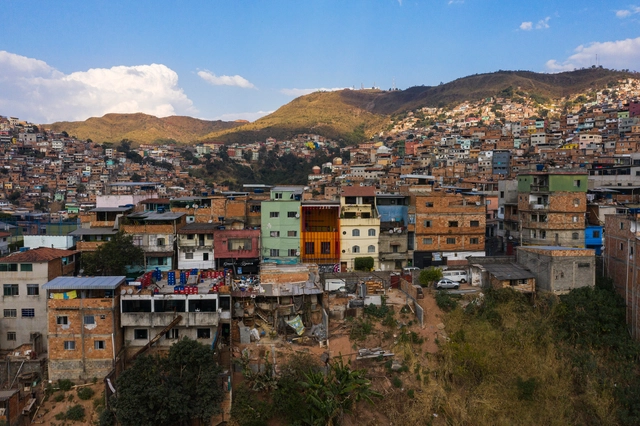
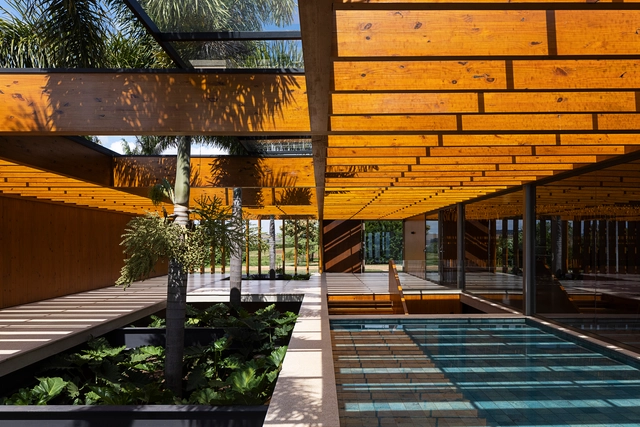
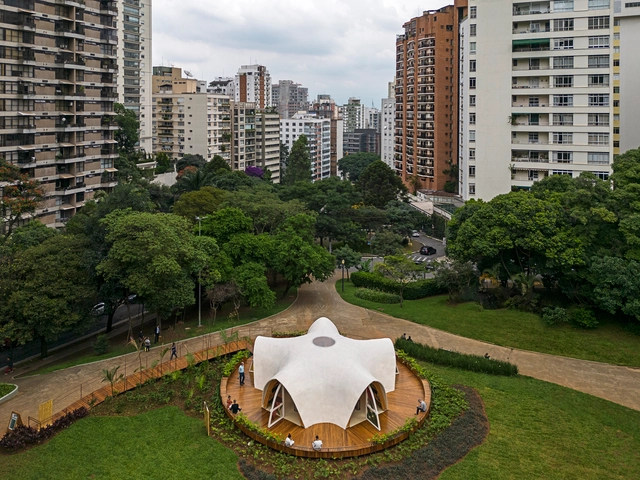
Centered on the development of architectural projects in favelas and peripheries, the work of Coletivo LEVANTE showcases a deep sensitivity to the unique characteristics and nuances of these environments. According to the group, "the recognition of what already exists and is attributed with values lived and earned by the favela residents — landscapes, constructions, identities, and relationships" is what they seek as the raw material for their projects. This approach is evident in projects such as Centro Cultural Lá da Favelinha and House in Pomar do Cafezal, winner of the 2023 Building of the Year Award by ArchDaily.
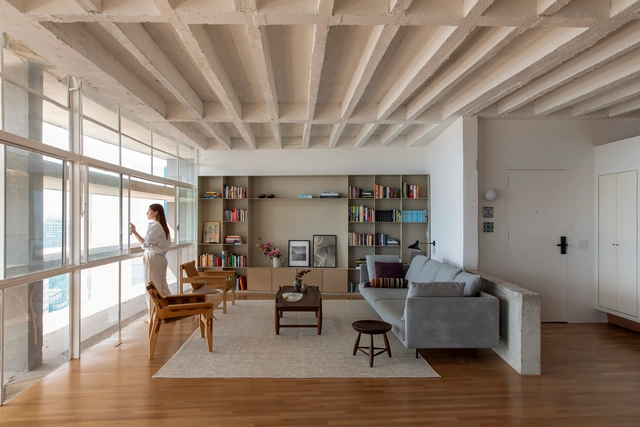
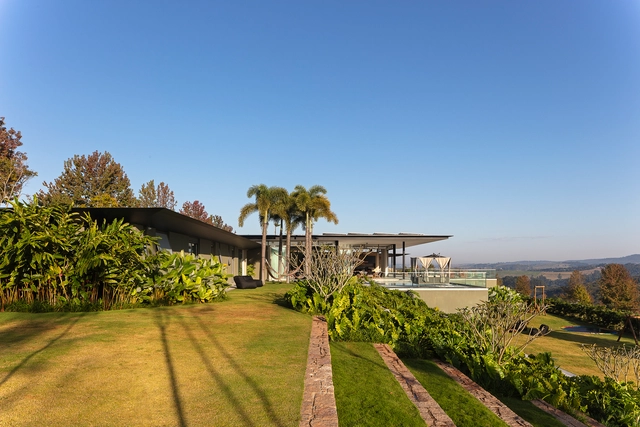
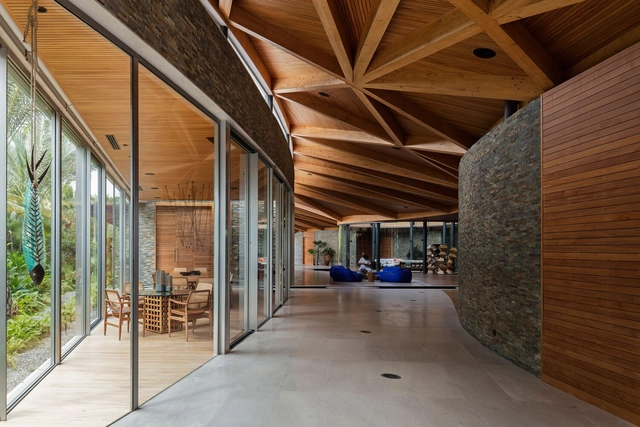
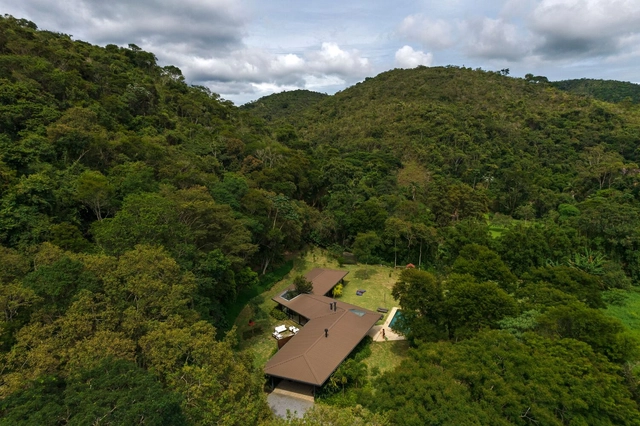
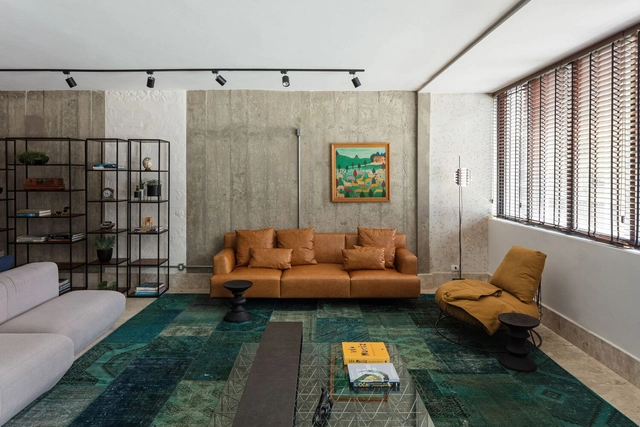
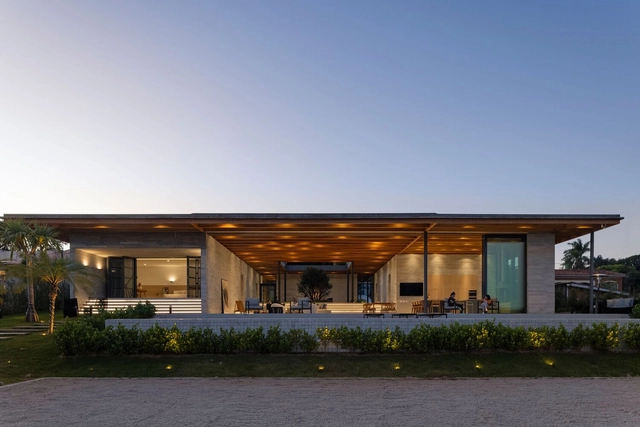
ArchDaily's curation team strives daily to present our readers with the most significant, inspiring, and innovative projects, expanding the knowledge and repertoire of students and architects worldwide. From small renovations to projects designed from scratch, residential architecture is a constant in the daily practice of most firms. Year after year, we see the deep interest this typology sparks: it remains the most popular category among our audience.
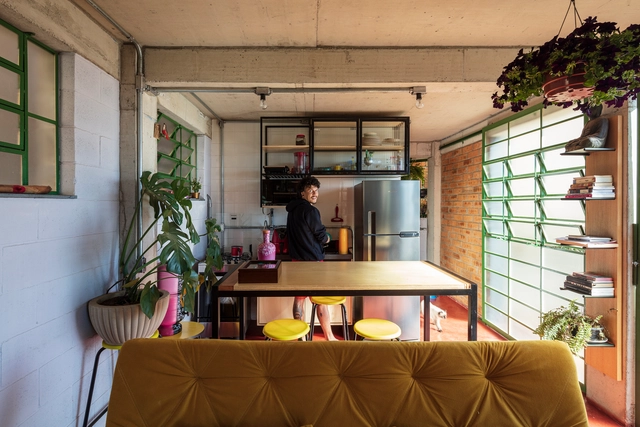
At the crossroads, three women with their histories and ancestries seek to overcome the challenge with a necessary padê: the construction of a narrative that attempts to purge from the epistemic rubble certain questions born from observing how people reacted to the fact that a "chic favela dweller" received an international award. The case (and tale) in question is the award in the "Houses" category of ArchDaily's international Building of the Year 2023, which was granted to "Kdu's Shack"—a house that expresses planning, design, exposed concrete, exposed brick, beauty, and poetry, but... From its inception, it has been a house "out of place"—and this caused discomfort. In this text, we address these (dis)comforts and materialities; the disputes over narratives; what is "out of place" and who does the classifying; territory; design; aesthetics; gingas; the delegitimization of self-discourse, and other intersections.
https://www.archdaily.com/1136381/un-comfortable-rooms-reflections-on-an-award-winning-favela-houseAmália Cristovão dos Santos, Ana Carolina C. dos Anjos e Amanda Resende Castilho
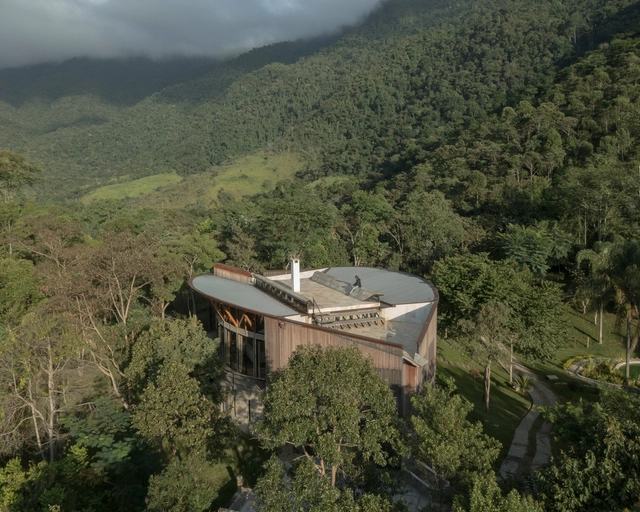
Laurent Troost is a Belgian architect with a vast history of projects in the Netherlands, Spain, and Dubai. He made the decision to move to Brazil in 2008, settling in the city of Manaus. In this region filled with challenges and inspiration, Troost developed a unique architectural practice by combining his experiences in designing luxury buildings abroad with structures in the heart of the Amazon. His work gained international recognition and has been honored with multiple awards. On September 4th, 2023, he was in Florianópolis for a lecture at the NCD Summit, where we had the opportunity to discuss his work and his views on architecture and sustainability.
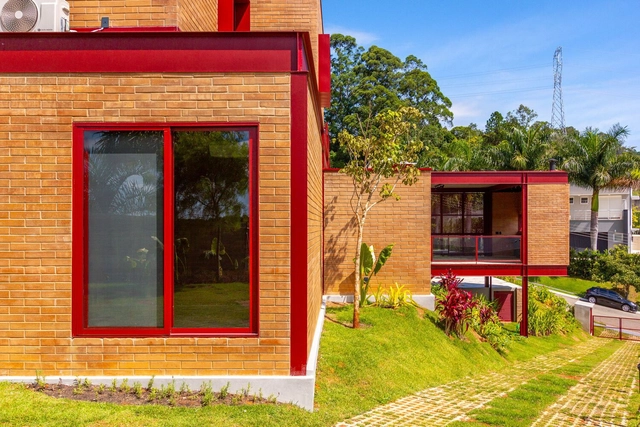
Although the use of color can be employed to hide or disguise a specific characteristic, it can also be used to highlight them. Within the Latin American territory, we can observe that shades of red, green, and blue have predominated in residential architecture, aiming to integrate a language appropriate to the context in which it is implemented.