

-
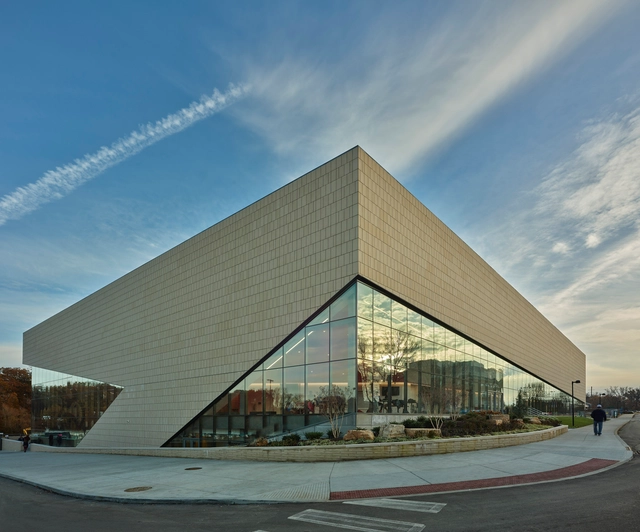
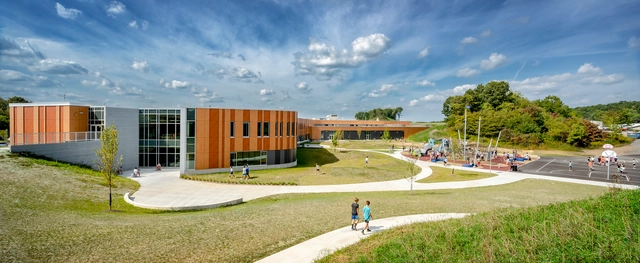
Architects: CannonDesign
- Area: 198000 ft²
- Year: 2022


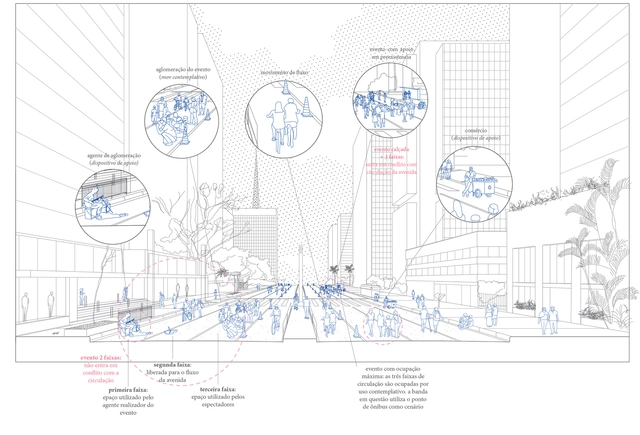
When analyzing an architectural project, we often focus on issues such as its programmatic demands and historical context, its design and representation process, and how it was built. We tend to study it as a finished product. Yet, once a work is constructed, it opens itself up to the city and to others, becoming vulnerable to flaws, imperfections, redevelopments, and unforeseen appropriations. The consequences then stem from conflicts, and social and political dynamics that shape the city, forming a fluid and shifting landscape.