Jess Blackwell Photography

BROWSE ALL FROM THIS PHOTOGRAPHER HERE

Urban Farming: A Sustainable Pathway Out of Nigeria’s Unfolding Food Crisis

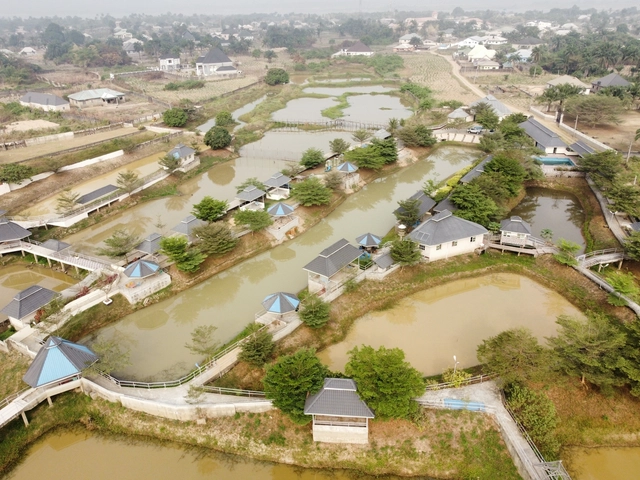
A recent report from Nigeria’s Ministry of Agriculture predicts that at least 31.5 million citizens may experience a food and nutrition crisis between June and August of this year. This alarming data highlights the severity of the food crisis that has progressively escalated over the last few years. The high prices of fruits and vegetables and their dwindling supply in local markets are already evident, as major staples disappear from food tables. This situation portends a bleak future for Nigeria as most people struggle to make ends meet, even in better times.

Urban Farming: A Sustainable Pathway Out of Nigeria’s Unfolding Food Crisis - Imagen 1 de 4Urban Farming: A Sustainable Pathway Out of Nigeria’s Unfolding Food Crisis - Imagen 2 de 4Urban Farming: A Sustainable Pathway Out of Nigeria’s Unfolding Food Crisis - Imagen 3 de 4Urban Farming: A Sustainable Pathway Out of Nigeria’s Unfolding Food Crisis - Imagen 4 de 4Urban Farming: A Sustainable Pathway Out of Nigeria’s Unfolding Food Crisis - More Images

Public Spaces and Their Key Role in Building Climate Resilience in the US.

Subscriber Access | 
Audio available

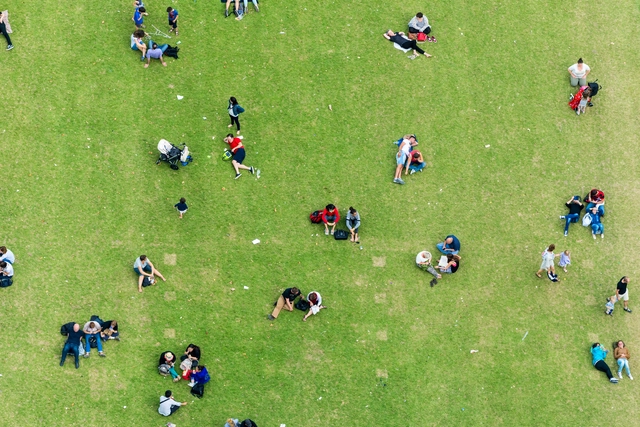
Social infrastructure encompasses the resources and services that allow the creation of communal bonds and social connections. Within the built environment, it manifests through public spaces like parks, libraries, and community centers alongside threshold spaces such as public transportation stops.

These public social spaces play a crucial role in strengthening communities and, in turn, their ability to respond to catastrophic climate-related events. They can provide physical shelter to the populations most vulnerable to these events and foster resilient networks of people who can more quickly recover. Given the escalating frequency of extreme weather events in the United States due to climate change and its social infrastructure inadequacies, examining public spaces as a critical tool for climate resilience becomes vital.

Public Spaces and Their Key Role in Building Climate Resilience in the US. - Imagen 1 de 4Public Spaces and Their Key Role in Building Climate Resilience in the US. - Imagen 2 de 4Public Spaces and Their Key Role in Building Climate Resilience in the US. - Imagen 3 de 4Public Spaces and Their Key Role in Building Climate Resilience in the US. - Imagen 4 de 4Public Spaces and Their Key Role in Building Climate Resilience in the US. - More Images

Urban Agriculture in the United States: Revitalizing Neighborhoods

Subscriber Access | 

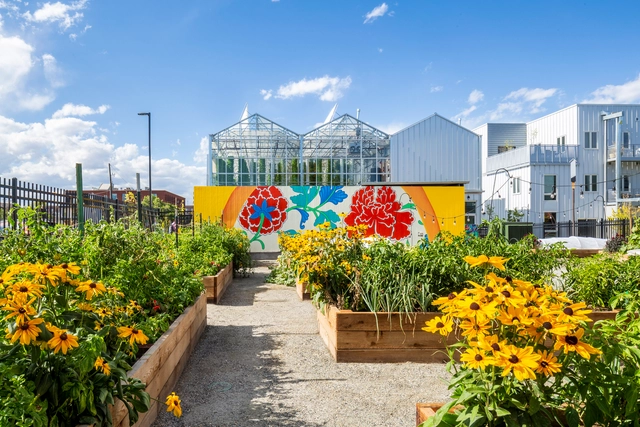
The UN Food and Agriculture Organization (UNFAO) accounts for over one-tenth of the global population, approximately 800 million people, practicing urban agriculture worldwide. In the United States, millions of citizens lack access to supermarkets. Urban farmers play a crucial role in addressing food security issues in American cities.

Historically, the distance between rural and urban areas has never been greater, making traditionally rural food sources widely inaccessible. Cities initially would develop around centralized markets that brought produce from farmlands to urban centers. Today, urban agriculture is revitalizing this connection between city dwellers and agricultural products.

Urban Agriculture in the United States: Revitalizing Neighborhoods  - Imagem 1 de 4Urban Agriculture in the United States: Revitalizing Neighborhoods  - Imagem 2 de 4Urban Agriculture in the United States: Revitalizing Neighborhoods  - Imagem 3 de 4Urban Agriculture in the United States: Revitalizing Neighborhoods  - Imagem 4 de 4Urban Agriculture in the United States: Revitalizing Neighborhoods  - More Images+ 1

S*Park / Tres Birds

S*Park / Tres Birds - More Images+ 27