

-
Architects: Ameller Dubois
- Area: 16400 m²
- Year: 2021
-
Manufacturers: Jansen, Saint-Gobain, Dialum, Gerflor, HIGHT POINT, +6
-
Professionals: Gruet, City of Pau
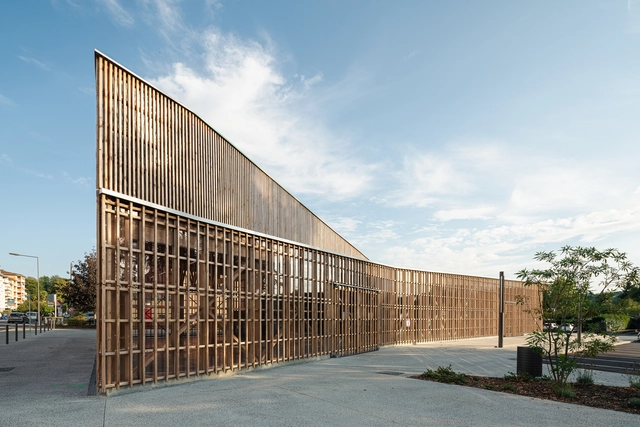
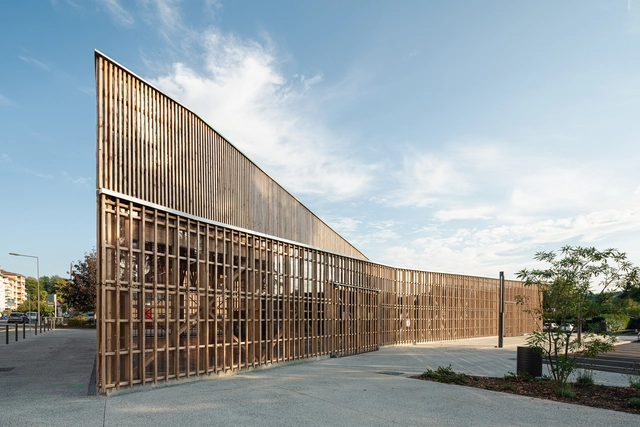
The relationship between building envelope and structure remains a centerpiece of architecture. Understanding a building's skin is how designs become open or closed, controlling environmental conditions, light and views. Whether perforated, slotted or modular, brise-soleils are elegant envelopes that create new spatial conditions. This is especially true in France, where architects are rethinking tradition to bring new screened structures to life.
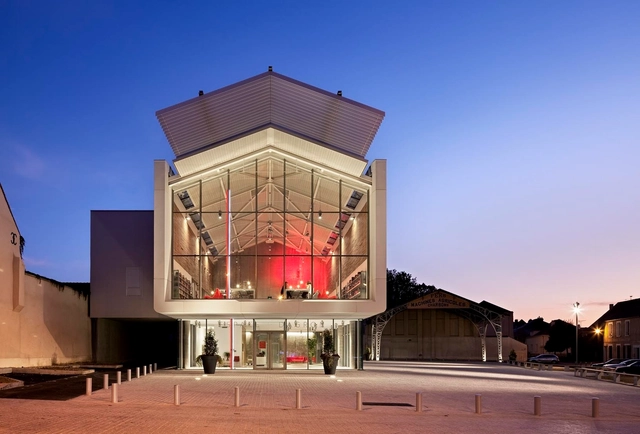
Designers have created civic institutions, governmental centers, public plazas, and many other spaces as testaments to individual and shared values. As spaces for gathering and exchange are necessary elements to urban life, architecture can also act as a vehicle to encourage understanding. Advocating knowledge while empowering the public, libraries celebrate ideas, curiosity and empathy.
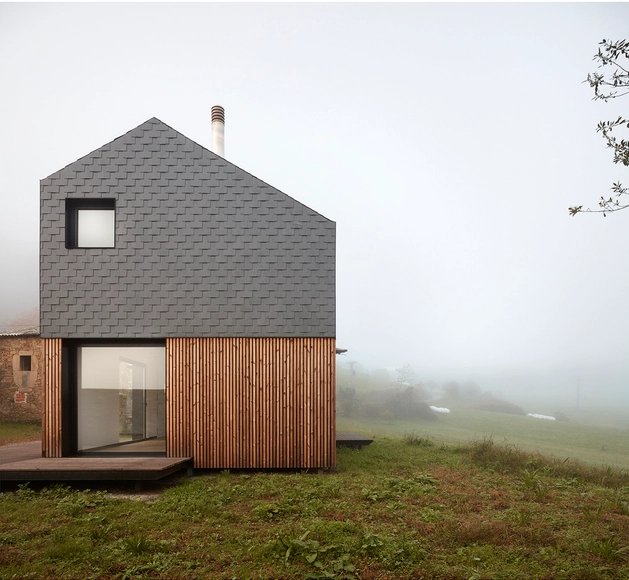
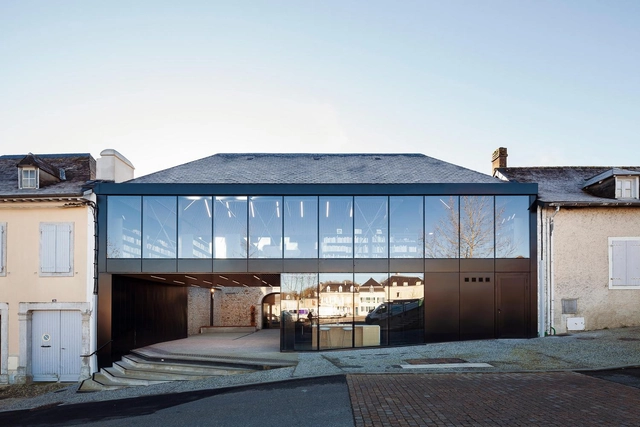
Every child has drawn a house. Perhaps a sunny day with some clouds, a leafy tree, a family with a dog, low wooden fences, or even a car. But in these drawings, they will almost certainly draw a simple rectangle with a gable or hip roof. This archetype of the house appears in virtually all cultures, and even today many architects use it for contemporary projects.
In addition to the primary function of draining rainwater and snow, and thus protecting the building from the weather, roofs can be an important aesthetic device for composing a project. In modern architecture, waterproof roof slabs emerged as a popular alternative, but sloping roofs have continued to captivate both clients and architects. In this article, we will cover the various types of roofs and, more specifically, the manufacturing process and characteristics of natural slate tiles.